More Allergy, Asthma & Infectious Disease Articles
What Are Blebs and How Do They Affect Your Health?
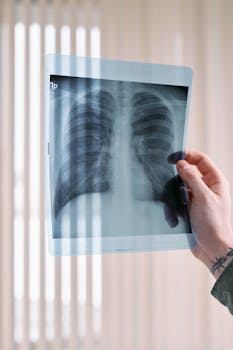
Imagine experiencing a sudden and sharp chest pain that seems to come out of nowhere. It’s moments like these that could make one wonder if they are dealing with a case of blebs. These small air blisters on the surface of the lungs often go unnoticed until they cause issues like a collapsed lung, known as pneumothorax. For most people, the realization of their existence only comes to light through sudden symptoms that can be both puzzling and alarming.
What Are Blebs?
Blebs are small, air-filled sacs that develop on the surface of the lungs. While they are typically benign, they can become problematic when they burst, potentially leading to a pneumothorax. Individuals with no prior lung issues, particularly young, tall, thin males, might experience these blebs rupturing. In some cases, they might require medical intervention if they lead to recurrent lung collapses.
Impact on Daily Life
Depending on their size and frequency, blebs can have varying impacts on everyday life. Someone with blebs might experience occasional mild discomfort or sudden severe pain when a bleb ruptures. While living with blebs generally does not require lifestyle changes, those who frequently experience ruptured blebs might need to adjust activities, especially high-intensity exercises or those involving sudden changes in air pressure.
Understanding Risks and Complications
While blebs themselves are often harmless, the risk arises when they rupture. Air trapped in the pleural space can cause the lung to collapse partially or entirely, leading to symptoms like chest pain and shortness of breath. Though not everyone with blebs experiences these complications, understanding the risks can help in managing and mitigating potential issues.
Managing Blebs Before They Cause Issues
For those who know they have blebs, routine check-ups with a healthcare provider can help monitor their size and status. Although there is no guaranteed way to prevent blebs from forming or rupturing, maintaining good overall lung health, avoiding smoking, and being cautious with activities like scuba diving or high-altitude climbing can minimize risks.
When to Seek Care
If you experience sudden chest pain, difficulty breathing, or suspect a lung collapse, seeking immediate medical attention is crucial. Symptoms can mimic those of other serious conditions, so prompt evaluation is essential. A pulmonologist or respiratory therapist may be involved in assessing and managing lung health, especially if you have recurrent issues or complications from blebs.
Questions About Blebs and Medications
While there are no specific medications for treating blebs, managing associated symptoms like pain or inflammation might involve general pain relievers or anti-inflammatory drugs. It’s essential to consult a healthcare professional before starting any medication to ensure they do not interfere with other treatments or conditions you may have. Engaging in open conversations with your doctor about any new or recurring symptoms is key to effective management.
Engaging in a regular exercise routine can support overall lung health. For tips on beginning a more active lifestyle, consider checking out our article on getting started with physical activity.
Takeaways
- Blebs are small air blisters on the lung surface, often unnoticed until they rupture.
- Ruptured blebs can lead to a pneumothorax, requiring immediate medical attention.
- Lifestyle adjustments may be needed based on the symptoms or recurrence rate.
- Monitoring lung health through regular check-ups can help in managing blebs.
- Stay active and avoid smoking to support overall lung health.
Common Questions
What causes blebs to form?
The exact cause of bleb formation is not fully understood, but they are more common in smokers and young, thin males. Genetic factors may also play a role, and some medical conditions can predispose individuals to develop blebs.
How are blebs diagnosed?
Blebs are typically diagnosed using imaging tests like a chest X-ray or CT scan. These tests help visualize the lungs and reveal any abnormal air pockets that might be present.
Can blebs be prevented?
While blebs themselves cannot be directly prevented, maintaining a healthy lifestyle, avoiding smoking, and engaging in regular physical activity can support lung health and potentially reduce the risk of complications.
What treatments are available?
Treatment for blebs depends on their size and whether they have caused complications. In some cases, surgical interventions may be necessary to remove or repair large blebs, particularly if they lead to repeated pneumothorax episodes.
Should I avoid certain activities if I have blebs?
If you have been diagnosed with blebs, activities that involve sudden air pressure changes, such as scuba diving or high-altitude activities, might need to be avoided. Discuss with your healthcare provider which activities are safe for you.
If you’re seeking more general health information, visit Wikipedia’s health page for a broad overview of health topics.
Other Articles You May Find of Interest...
- How to Keep Pollen Out of Your Home: Choosing an Air Purifier for Pollen
- When Should Your Child See a Pediatric Allergist? A Three-Trigger Test
- Candida sp. rRNA Results: What Molecular Testing Detects
- Ant Bites or Poison Ivy? How the Rashes Differ
- Can Stress Cause Cold Sores on the Lips?
- Gram-Positive Rods in a Blood Culture: Contamination or Infection?
- Can Head Lice Get Into Your Ears?