






More Allergy, Asthma & Infectious Disease Articles
Unraveling the Mysteries of Viral Exanthems in Children’s Health
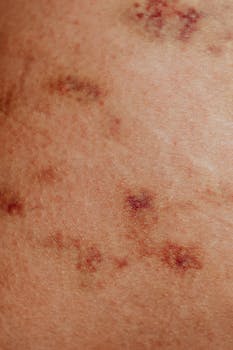
Understanding and managing viral exanthems is crucial for pediatric health. Viral exanthems refer to a widespread rash that appears in children during infectious viral illnesses. These rashes often accompany common viral infections like measles, rubella, and roseola. Recognizing the type of rash and its associated symptoms can help caregivers provide appropriate care and seek medical consultation when necessary.
Common Types of Viral Exanthems
Viral exanthems typically present as red, spotted rashes that spread across a child’s body. They can vary in appearance, severity, and duration. Identifying the specific type of viral exanthem can offer insights into the underlying infection.
- Measles: Characterized by Koplik’s spots and a maculopapular rash starting on the face and spreading downward.
- Rubella: Often presents as a fine pink rash with accompanying low-grade fever and swollen lymph nodes.
- Roseola: A sudden high fever followed by a rose-colored rash as the fever subsides.
- Chickenpox: Itchy, blister-like rash that progresses from red bumps to fluid-filled blisters and then scabs.
Diagnosing Viral Exanthems
Diagnosing viral exanthems typically involves a clinical examination by a healthcare provider. Medical history and symptoms like fever, cough, or conjunctivitis can provide clues. In some cases, lab tests may be necessary to confirm the specific virus responsible.
When to Seek Medical Attention
While many viral exanthems resolve without intervention, there are situations where medical attention is critical. Seek healthcare support if the rash is accompanied by:
- High fever persisting beyond a couple of days
- Difficulty breathing
- Severe headache
- Signs of dehydration
Caring for a Child with a Viral Exanthem
Most viral exanthems require supportive care at home. Keep the child well-hydrated, manage fever with appropriate medications, and ensure they rest comfortably. Avoid scratching to prevent secondary infections. It’s important to consult a healthcare provider before giving any medication.
Additionally, strengthening your child’s overall health can play an important role. Encouraging healthy eating and regular activity are beneficial for their well-being. You can find useful tips in our article on fitness tips for teens.
Preventing Viral Exanthems
Prevention of viral exanthems largely relies on good hygiene practices and vaccination. Regular handwashing and avoiding contact with sick individuals can reduce the risk of infection. Vaccinations, such as the MMR (measles, mumps, rubella) vaccine, significantly decrease the incidence of related viral illnesses.
Conclusion
Understanding and managing viral exanthems is essential in pediatric healthcare. Recognizing the symptoms and types of rashes, knowing when to seek medical attention, and taking preventive measures can help mitigate the impact of these infections. However, always prioritize consulting with a healthcare provider for personalized advice tailored to your child’s specific needs.
- Viral exanthems are rashes resulting from viral infections.
- Common types include measles, rubella, roseola, and chickenpox.
- Supportive home care often suffices, but be vigilant for severe symptoms.
- Vaccination and hygiene are key in prevention.
- Consult a healthcare provider for accurate diagnosis and treatment.
FAQ
What is an exanthem?
An exanthem is a widespread rash that typically appears on the skin during certain viral infections.
How are viral exanthems treated?
Most viral exanthems are treated with supportive care, including hydration, rest, and fever management. Consult a healthcare provider for severe symptoms.
Are viral exanthems contagious?
Yes, viral exanthems can be contagious as they result from viral infections. Avoiding contact with infected individuals helps prevent spread.
Can adults get viral exanthems?
While viral exanthems primarily affect children, adults can also experience them, especially if unvaccinated or with weakened immunity.
Where can I find more information?
For more detailed information, visit the health page on Wikipedia, which provides comprehensive insights into various health topics.
Other Articles You May Find of Interest...
- Effective Relief Options for Upper Respiratory Issues with OTC Medications
- Is Macrobid a Sulfa Drug or Not? Discover the Truth About Your Antibiotics
- Is Zyrtec Safe to Use During Pregnancy?
- Can Prednisone Help Treat Pneumonia Effectively?
- Bronchitis or Pneumonia: How to Identify the Key Differences for Better Health
- Managing Reactive Airway Disease: What the ICD-10 Code Means for Your Health
- Exploring the Impact of Gram Negative Diplococci on Human Health



