






More Allergy, Asthma & Infectious Disease Articles
Relief from Dermatographia: Discover Effective Antihistamines
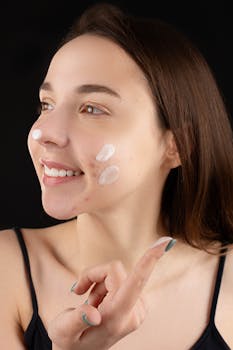
Those living with dermatographia, a condition often characterized by red, raised lines on the skin after minor pressure, may find relief through effective treatments such as antihistamines. This common condition, also known as skin writing, can be both uncomfortable and concerning for those affected. Many individuals seek information about the role of antihistamines for dermatographia in managing symptoms.
Understanding Antihistamines for Dermatographia
Antihistamines are medications that block the action of histamine, a substance in the body that contributes to allergic reactions. For people with dermatographia, taking an antihistamine can help alleviate the itchiness and inflammation that often accompany this skin condition. Histamines are released when the skin experiences irritation, and antihistamines can provide a crucial line of defense against these symptomatic flare-ups.
Types of Antihistamines
There are several types of antihistamines available that may be beneficial for individuals with dermatographia:
- First-generation antihistamines: These include medications like diphenhydramine (Benadryl), which can be highly effective but may cause drowsiness.
- Second-generation antihistamines: Examples include cetirizine (Zyrtec) and loratadine (Claritin). These are often preferred as they tend to cause less sedation and can be suitable for daytime use.
- Topical antihistamines: Available in form of creams and ointments, they are applied directly to the affected area and can provide localized relief.
When to Use Antihistamines for Dermatographia
Antihistamines can be taken regularly to manage persistent symptoms or used as needed when symptoms arise. Consulting with a healthcare provider can help determine the most appropriate antihistamine type and usage frequency for your specific case of dermatographia.
Using Antihistamines for Symptom Relief
For individuals experiencing frequent symptoms, taking antihistamines regularly may offer significant relief. While they are generally safe, it’s essential to be aware of potential side effects, such as drowsiness or dry mouth. Always adhere to recommended dosages and consult with a healthcare provider if you have any underlying health conditions or are taking other medications.
Lifestyle Considerations
In addition to medication, incorporating lifestyle changes can support the management of dermatographia. Reducing stress, avoiding known triggers, and maintaining a proper skincare routine are all important elements in managing this condition. Engaging in regular exercise and maintaining a well-balanced diet can help improve overall skin health and potentially reduce flare-ups. For active teens, exploring fitness tips and nutrition advice may also be beneficial in managing dermatographia symptoms.
Seeking Professional Guidance
Although antihistamines are widely used and generally effective, consulting a healthcare professional for personalized guidance is crucial. They can assess your specific condition and provide targeted advice, ensuring safe and effective treatment. For more detailed information about dermatographia and its treatment options, credible resources are also available. For instance, you can find extensive information on dermatographia management on Wikipedia, which provides a comprehensive overview that can further guide your understanding of the condition.
In conclusion, the consistent use of antihistamines for dermatographia offers a reliable method for alleviating symptoms. Collaboration with healthcare providers and adopting supportive lifestyle changes can further improve outcomes. By staying informed and proactive, individuals with dermatographia can enhance their quality of life and comfort.
- Antihistamines are effective for managing dermatographia symptoms.
- First- and second-generation antihistamines offer various benefits and side effects.
- Consulting a healthcare provider ensures safe and personalized treatment.
- Lifestyle modifications complement medication usage.
- External resources like Wikipedia offer valuable information.
What is dermatographia?
Dermatographia is a condition where minor pressure on the skin causes raised, red lines or welts. It is often described as skin writing.
How do antihistamines help with dermatographia?
Antihistamines block the action of histamine, which reduces inflammation and itching associated with dermatographia.
What are the side effects of antihistamines?
Common side effects of antihistamines include drowsiness, dry mouth, and dizziness. Side effects vary based on the type of antihistamine used.
Are second-generation antihistamines better for daytime use?
Yes, second-generation antihistamines like cetirizine and loratadine are often preferred for daytime use as they generally cause less sedation compared to first-generation antihistamines.
Can lifestyle changes help manage dermatographia symptoms?
Yes, lifestyle changes such as stress reduction, trigger avoidance, and a healthy diet can support the management of dermatographia alongside medication.
Other Articles You May Find of Interest...
- Effective Relief Options for Upper Respiratory Issues with OTC Medications
- Is Macrobid a Sulfa Drug or Not? Discover the Truth About Your Antibiotics
- Is Zyrtec Safe to Use During Pregnancy?
- Can Prednisone Help Treat Pneumonia Effectively?
- Bronchitis or Pneumonia: How to Identify the Key Differences for Better Health
- Managing Reactive Airway Disease: What the ICD-10 Code Means for Your Health
- Exploring the Impact of Gram Negative Diplococci on Human Health




