






More Allergy, Asthma & Infectious Disease Articles
Managing Interigo and Its Unpleasant Odor: Tips for Relief
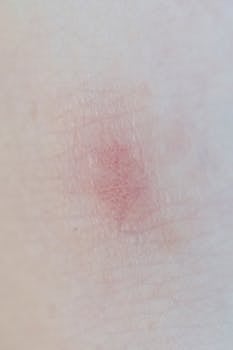
Interigo, a common skin condition that affects various areas of the body, is characterized by inflammation and irritation in skin folds. This condition often occurs in warm, moist areas such as under the breasts, between the thighs, between the buttocks, and in armpits. The affected areas may develop a red or brown rash, sometimes accompanied by an unpleasant odor, making management of the condition critical for comfort and hygiene. Understanding how to properly address and manage interigo can significantly improve skin health and daily life.
Understanding Interigo and Its Causes
Interigo is primarily caused by friction between skin folds in warm, moist environments. This friction leads to the breakdown of the skin barrier, allowing bacteria and fungi to thrive, which can exacerbate inflammation. Excessive sweating and obesity are common contributors, adding to the moisture and skin folds in the affected areas.
Additionally, wearing tight clothing or not drying off properly after bathing can increase the risk of developing interigo. Proper hygiene, weight management, and wearing breathable fabrics can help reduce the risk of this condition.
Recognizing the Symptoms of Interigo
The symptoms of interigo are usually easy to identify. They include redness, itching, and a burning sensation in the affected areas. In some cases, there may be a noticeable intertrigo smell due to the overgrowth of yeast or bacteria.
The persistent moisture in these skin folds can also lead to cracking and peeling of the skin, which can become painful and lead to secondary infections. If symptoms persist or worsen, consulting a healthcare provider is advisable to explore appropriate treatments.
Managing Interigo: Tips for Relief
Effective management of interigo involves maintaining a dry and clean environment in affected areas. Here are some tips to help alleviate symptoms:
- Keep the Area Dry: Pat the skin dry with a soft towel after bathing, and use a fan or cool hairdryer to ensure all moisture is eliminated.
- Use Moisture-Absorbing Powders: Products such as talcum or cornstarch-based powders can reduce friction and absorb excess moisture.
- Wear Loose, Breathable Clothing: Cotton and other natural fabrics allow skin to breathe and reduce sweating.
- Topical Treatments: Over-the-counter creams containing zinc oxide or antifungal agents can help soothe inflammation and reduce the risk of infection.
In addition to these strategies, maintaining a healthy weight can reduce the severity of interigo. To explore more about weight management and healthy lifestyle choices, you can read our article on safe and effective weight loss approaches.
When to Seek Medical Advice
While interigo can often be managed with these at-home treatments, some cases may require medical intervention. If the rash does not improve within a few days, becomes extremely painful, or shows signs of infection like pus or a fever, it is important to seek medical advice. A healthcare provider can prescribe medicated creams or oral medications to help manage the condition effectively.
Preventing Interigo Recurrence
Prevention is key to managing interigo long-term. Regularly inspecting and cleansing areas prone to moisture and friction can prevent the recurrence of symptoms. Incorporate these practices into your daily hygiene routine to minimize the risk of interigo:
- Stay hydrated, but avoid excessive sweating by staying cool and dry.
- Apply barrier creams to reduce friction in vulnerable areas.
- Optimize your wardrobe for comfort and fit, prioritizing loose-fitting clothing.
Remember that interigo is manageable with proper care and lifestyle adjustments. Staying informed about new developments and treatments is important for anyone dealing with this condition. For further detailed information, you can visit the Wikipedia page on Intertrigo.
By understanding the causes and symptoms of interigo, you can proactively manage the condition and reduce its impact on your life. Whether through daily hygiene tactics or seeking professional medical advice, relief is attainable. Remember, the keys to managing interigo are consistent care and awareness.
Takeaways
- Interigo is a skin condition caused by moisture and friction in skin folds.
- Common symptoms include redness, itching, and an intertrigo smell.
- Keeping affected areas dry and wearing breathable clothing can prevent and alleviate symptoms.
- Seek professional advice if symptoms worsen or do not improve.
- Lifestyle changes and preventive care are crucial to managing interigo.
Frequently Asked Questions
What is interigo?
Interigo is a skin condition resulting from inflammation in skin folds, typically caused by moisture and friction. It is often seen in warm, moist areas of the body.
How can I prevent the unpleasant intertrigo smell?
To prevent the smell, maintaining a dry, clean environment is key. Using moisture-absorbing powders and wearing breathable fabrics can significantly reduce odor.
Are there any specific treatments for interigo?
Common treatments include using over-the-counter antifungal creams, moisture-wicking powders, and maintaining proper hygiene. Consult a healthcare provider for personalized treatment options.
Can interigo be a sign of a more serious condition?
While interigo itself is not usually serious, severe or persistent cases can lead to secondary infections. It can sometimes indicate an underlying condition like obesity or diabetes, so medical advice is recommended if symptoms persist or get worse.
How long does it take for interigo to heal?
With proper care and treatment, interigo usually begins to improve within a few days. Persistent or severe cases might require professional medical intervention for full resolution.
Other Articles You May Find of Interest...
- Exploring the Impact of Viral Exanthems on Health and Well-being
- The Role of Alpha 1 Globulin in Your Health and Well-being
- Are You at Risk? Discover If Yellow Jackets Sting
- The Importance of the Buffy Coat in Blood Analysis
- Safe Timing Between Zyrtec and Benadryl: What You Need to Know
- Samter’s Triad Explained: The Link Between Asthma, Nasal Polyps, and Aspirin Sensitivity
- Could You Be Allergic to Onions? Signs, Symptoms, and What to Avoid




