






More Allergy, Asthma & Infectious Disease Articles
Managing DJD: Essential Insights for Better Joint Health
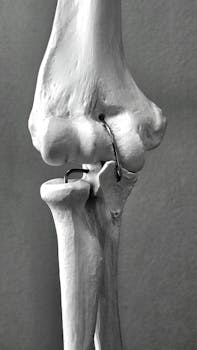
Degenerative Joint Disease, often abbreviated as DJD, is a common condition affecting millions worldwide. It is characterized by the gradual degradation of joint cartilage and is commonly known as osteoarthritis. Understanding the progression and management of DJD is crucial for maintaining mobility and quality of life.
Understanding DJD
DJD primarily impacts weight-bearing joints, such as hips and knees, but can affect any joint in the body. As cartilage wears away, bones may start rubbing against each other, leading to pain, stiffness, and swelling. This chronic condition can significantly affect one’s ability to perform daily activities.
Several factors contribute to the development of DJD, including age, obesity, repetitive stress injuries, and genetics. It’s essential to understand these factors to develop a comprehensive management plan.
Symptoms and Diagnosis
Common symptoms of DJD include joint pain, tenderness, and stiffness, especially after periods of inactivity or overuse. A doctor may conduct a physical examination, review your medical history, and recommend imaging tests like X-rays or MRI to diagnose DJD. These tests help determine the severity and specific joints affected.
Managing DJD: Lifestyle and Treatment Options
While there’s no cure for DJD, several strategies can help manage symptoms and improve joint health. A combination of lifestyle modifications, medications, and therapies are typically recommended.
Weight Management
Maintaining a healthy weight is crucial for reducing stress on joints, particularly the knees. Losing even a small amount of weight can significantly alleviate pressure and pain in afflicted joints. Discover strategies for increasing physical activity by visiting our article on taking small steps to a more active lifestyle.
Exercise and Physical Therapy
Regular exercise strengthens muscles around joints, improving stability and reducing pain. Low-impact activities like swimming, cycling, and walking are excellent options. A physical therapist can help design a safe and effective exercise plan tailored to individual needs.
Medications
Medications play a significant role in managing DJD pain and inflammation. Over-the-counter options include acetaminophen and nonsteroidal anti-inflammatory drugs (NSAIDs) like ibuprofen. Doctors may also prescribe stronger medications for severe cases. Always consult a healthcare provider before starting any medication.
Alternative Therapies
Some individuals find relief through alternative therapies such as acupuncture, massage, or supplements like glucosamine and chondroitin. Though more research is needed, these approaches may support joint health for some people.
Understanding the role of inflammation in DJD can lead to more effective management strategies. Current innovations in DJD research focus on slowing disease progression and improving pain management techniques. The value of personalized medicine is being explored to provide customized treatment plans.
Living with DJD
Adapting to life with DJD involves making adjustments that can lead to an improved quality of life. Assistive devices like braces, canes, or shoe inserts can help alleviate pain and improve mobility. Additionally, engaging in community or support groups can provide emotional and social support.
Staying informed and proactive in managing DJD can lead to better outcomes and a more positive outlook. For those interested in learning more about DJD and joint health, reputable sources such as Wikipedia offer detailed insights into the condition.
While living with DJD presents challenges, adopting healthy lifestyle habits and exploring various management strategies can mitigate its impact. Regular communication with healthcare providers ensures appropriate adaptations to changing needs over time.
- DJD affects millions and is often referred to as osteoarthritis.
- Weight management and exercise are vital for managing DJD.
- Medications and alternative therapies can provide symptom relief.
- Staying informed helps in effectively managing DJD.
- Consult healthcare providers for personalized management plans.
What are common symptoms of DJD?
Common symptoms include joint pain, stiffness, swelling, and reduced range of motion, often worsening after periods of inactivity.
How is DJD diagnosed?
DJD is diagnosed through physical examinations, medical history review, and imaging tests like X-rays or MRIs that reveal cartilage loss and bone changes.
What lifestyle changes can help manage DJD?
Maintaining a healthy weight, regular exercise tailored to joint health, and possibly incorporating dietary supplements or alternative therapies can help manage DJD.
Are there medical treatments available for DJD?
Over-the-counter and prescription medications, physical therapy, and in some cases, surgical interventions are available to treat symptoms of DJD. Consultation with a healthcare provider is essential for appropriate treatment.
Can DJD be prevented entirely?
While one cannot entirely prevent DJD due to factors like aging or genetics, maintaining a healthy lifestyle with regular exercise and weight management can reduce risk and progression.
Other Articles You May Find of Interest...
- Exploring the Impact of Viral Exanthems on Health and Well-being
- The Role of Alpha 1 Globulin in Your Health and Well-being
- Are You at Risk? Discover If Yellow Jackets Sting
- The Importance of the Buffy Coat in Blood Analysis
- Safe Timing Between Zyrtec and Benadryl: What You Need to Know
- Samter’s Triad Explained: The Link Between Asthma, Nasal Polyps, and Aspirin Sensitivity
- Could You Be Allergic to Onions? Signs, Symptoms, and What to Avoid




