






More Allergy, Asthma & Infectious Disease Articles
Is Your Tick Bite Itchy? Here’s What You Need to Know
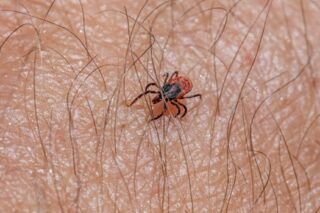
If you’ve recently found a tick on your skin, you might be wondering why the tick bite is itchy and what it might mean for your health. This common reaction can be concerning, especially with the growing awareness of tick-borne diseases. Whether you’re dealing with the itchy sensation or seeking to prevent it, understanding the reasons and responses to tick bites is crucial for effective management.
Why Is a Tick Bite Itchy?
A tick bite can cause itchiness due to your body’s natural response to the tick’s saliva. When a tick bites you, it injects a small amount of saliva that contains proteins to numb the bite area and prevent blood clotting. Your immune system detects these foreign proteins and triggers an inflammatory response, resulting in itchiness and redness.
The degree of itchiness can vary. For some, the reaction is mild and passes quickly, while others may experience more intense symptoms. Sometimes, the itchiness might not start immediately; it could develop hours or even days after the tick has detached.
Managing an Itchy Tick Bite
Once you’ve confirmed the presence of a tick bite, it’s essential to take the appropriate steps to manage the symptoms and reduce your risk of infection. Here are some tips:
- Clean the Area: Wash the bite site with soap and water as soon as possible to minimize infection risk.
- Apply Calming Treatments: Over-the-counter anti-itch creams or antihistamines can help alleviate itchiness and inflammation.
- Avoid Scratching: Scratching the bite can lead to further irritation or even infection.
When to Seek Medical Attention
Although most tick bites are harmless, it’s vital to stay vigilant for signs of infection or tick-borne diseases. If you notice severe redness, swelling, or the development of a rash (such as a bullseye rash associated with Lyme disease), contact a healthcare provider. Other concerning symptoms include fever, fatigue, and muscle or joint aches. Being proactive can help detect any complications early.
Preventing Tick Bites
To lower the chances of getting a tick bite and the consequent itchiness, consider the following preventive measures:
- Dress Appropriately: Wear long sleeves and pants when in wooded or grassy areas, and tuck your pants into your socks.
- Use Tick Repellents: Products containing DEET or permethrin effectively repel ticks.
- Check for Ticks: Conduct thorough body checks after spending time outdoors, paying attention to hidden areas like the scalp and armpits.
Integrative Approaches in Complementary Health
If you’re interested in understanding more about integrating traditional and holistic methods in managing tick bites and other minor health issues, consider exploring evidence-based holistic approaches that can complement conventional treatments.
Understanding Tick Bite Itchy Reactions in Context
It’s important to recognize that while an itchy tick bite can be uncomfortable, it doesn’t always signal a serious problem. Monitoring the site and overall health, following preventive measures, and being aware of any unusual symptoms can help manage the situation effectively. If in doubt, a healthcare professional can provide personalized advice. For further reading, the Wikipedia article on tick-bite management offers detailed insights into handling and preventing tick bites.
Takeaways
- Tick bites can be itchy due to the immune system’s response to tick saliva.
- Clean the area promptly and apply anti-itch treatments if needed.
- Seek medical attention for unusual symptoms post-bite.
- Prevent bites through proper clothing and repellents.
- Consider integrative approaches for broader health benefits.
FAQs
Why is my tick bite itchy?
Your tick bite is itchy because your immune system reacts to proteins in the tick’s saliva, leading to an itchy and inflamed response.
How long will the itchiness last?
Typically, itchiness from a tick bite lasts a few days to a week, but it can vary based on individual sensitivity and any underlying conditions.
Can I scratch a tick bite?
It’s best to avoid scratching a tick bite to prevent further irritation and the risk of infection.
When should I see a doctor?
See a doctor if you experience severe symptoms like a bullseye rash, persistent fever, or joint pain, as they may indicate a more serious condition.
How can I prevent tick bites?
Prevent tick bites by wearing protective clothing, using tick repellents, and performing regular checks after being in tick-prone areas.
Other Articles You May Find of Interest...
- What Does a Positive Hepatitis B Surface Ab Mean for Your Health?
- Why Do I Have a Metallic Taste When I Cough?
- Is It Possible to Be Allergic to Tylenol?
- Unlocking the Meaning Behind the PCN Medical Abbreviation
- Unlocking the Secrets of the Positive Predictive Value Formula for Better Health Outcomes
- What Does an Abnormal WBC Esterase Level Mean for Your Health?
- Do Allergies Cause Fatigue and Sleepiness?




