






More Allergy, Asthma & Infectious Disease Articles
Is Your Child Exhibiting the Allergic Salute? Here’s What You Need to Know
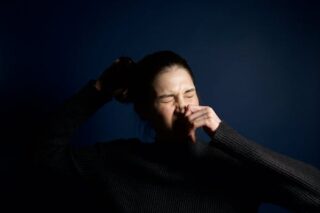
Have you noticed your child frequently rubbing their nose with the palm of their hand in an upward motion? This action, known as the “allergic salute,” is often a sign of nasal allergies in children. The term refers to the way kids tend to lift their nose in response to itchiness or congestion caused by allergies. Understanding the allergic salute can help you identify potential allergies early and seek appropriate care for your child.
Understanding the Allergic Salute
The allergic salute is more than just a simple gesture. It’s a common reaction among children who suffer from allergic rhinitis, commonly known as hay fever. This condition leads to inflammation of the nasal passages, causing irritation that prompts kids to rub their nose. Regularly observing this behavior in your child could be an indication of underlying allergies.
Allergic rhinitis is triggered by allergens such as pollen, dust mites, mold, and pet dander. When these allergens are inhaled, they cause an allergic response, resulting in symptoms like sneezing, itching, and a runny or stuffy nose. The allergic salute is often accompanied by other symptoms like watery eyes and a persistent cough.
What Causes Allergic Rhinitis in Children?
Allergic rhinitis is primarily caused by exposure to airborne allergens. Children with a family history of allergies are more likely to develop it. Environmental factors, such as living in an area with high pollen counts or owning pets, can also contribute to the occurrence of allergies in children. Understanding these causes can help parents take preventive measures to reduce allergen exposure at home.
In addition to genetic predispositions, some studies suggest that early exposure to certain allergens may influence the development of allergic rhinitis. Keeping your home clean and minimizing exposure to common allergens could be beneficial. For more insights on balancing traditional and holistic approaches to healthcare, consider reading our evidence-based look at holistic medicine versus traditional medicine.
Recognizing Allergy Symptoms
Besides the allergic salute, there are various symptoms of allergic rhinitis parents should be aware of. Children may experience frequent sneezing, an itchy nose or throat, nasal congestion, and watery eyes. These symptoms can interfere with daily activities, impact sleep quality, and even affect a child’s performance in school.
If you observe your child frequently exhibiting these symptoms, especially during particular seasons or after exposure to certain environments, it may be time to consult a healthcare professional. Early recognition and management can prevent complications such as sinus infections or ear problems.
Managing and Treating Allergies
While allergies can’t be cured, they can be effectively managed. Identifying specific allergens through tests can help tailor a management plan for your child. Over-the-counter antihistamines and nasal sprays may offer relief, but it’s important to consult with a healthcare provider to confirm a diagnosis and discuss treatment options.
In some cases, allergy shots, also known as immunotherapy, may be recommended. This involves gradually exposing the immune system to increasing amounts of an allergen, reducing sensitivity over time. Lifestyle changes, like using air purifiers and keeping windows closed during high pollen seasons, can also help manage symptoms.
When to Seek Medical Advice
It’s crucial to see a doctor if your child shows persistent signs of allergies that affect their daily life. A healthcare professional can conduct allergy tests to determine specific triggers and recommend a comprehensive treatment plan. Timely intervention can improve your child’s quality of life and prevent complications associated with unmanaged allergies.
For more detailed information on allergies and treatments, you can visit educational resources like Wikipedia’s Allergy Page, which offers a broad overview of allergy-related topics.
Identifying and addressing the allergic salute is an essential step in managing childhood allergies effectively. By observing your child’s behaviors and symptoms, you can seek prompt medical advice and create a conducive environment that minimizes allergen exposure.
- The “allergic salute” is a common sign of allergies in children.
- It often indicates allergic rhinitis, triggered by common allergens.
- Managing allergies involves identifying triggers and potential treatments.
- Consulting a healthcare professional is crucial for effective allergy management.
- Preventive measures and lifestyle changes can alleviate allergy symptoms.
What is the allergic salute?
The allergic salute is a gesture where a child rubs their nose with their palm, often due to nasal itchiness caused by allergies.
What causes the allergic salute?
It is primarily caused by allergic rhinitis, a response to allergens such as pollen, dust mites, mold, and pet dander.
How can I tell if my child has allergic rhinitis?
Look for symptoms such as sneezing, itchy nose or throat, nasal congestion, and watery eyes, along with the allergic salute action.
How are allergies in children diagnosed?
Allergies can be diagnosed through medical history and allergy tests that identify specific triggers. A healthcare provider should conduct these tests.
What treatments are available for childhood allergies?
Treatment options include antihistamines, nasal sprays, and in some cases, immunotherapy. Preventive measures and lifestyle adjustments can also be beneficial.
Other Articles You May Find of Interest...
- Unlock the Benefits of Steaming Inhalation: Best Herbs and Essential Oils to Clear Congestion
- Effective OTC Medicine for Bronchitis: Discover Your Relief Options
- Why Do You Experience Difficulty Breathing When Lying Down?
- Coughing After Meals: What Causes It and How to Find Relief
- Eczema Hives: Finding Relief and Understanding Triggers
- How Theraflu Day and Night Can Help You Beat Seasonal Illnesses
- Why Am I Experiencing a Tinny Taste When I Cough?




