






More Allergy, Asthma & Infectious Disease Articles
Is Cotton Fever a Hidden Risk for Your Health?
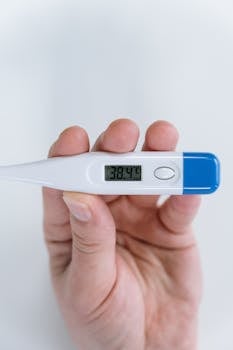
Cotton fever is a term that might not be familiar to many, but understanding it is crucial for certain individuals, particularly those who engage in drug use involving cotton filtration methods. This article explores cotton fever, its symptoms, causes, and why it poses a potential health risk.
Understanding Cotton Fever
Cotton fever is an illness that can happen when bacteria enter the bloodstream. This often occurs as a result of intravenous drug use when substances are filtered through cotton, and some of the fiber or bacteria from the cotton are inadvertently injected. While the condition is uncomfortable, it’s usually not life-threatening and resolves on its own.
Symptoms of Cotton Fever
The symptoms of cotton fever can appear suddenly and are often alarming. Typically, individuals experience a rapid spike in body temperature, chills, malaise, and severe headache. Some might confuse this with flu symptoms due to their similarity. The condition usually peaks within 24 to 48 hours before beginning to subside without medical intervention.
What Causes Cotton Fever?
The primary cause of cotton fever is believed to be the presence of bacteria, specifically Gram-negative bacteria like Enterobacter in the bloodstream. It’s important to note that, while often associated with drug use, the core issue is bacterial infection resulting from impurities that get through the cotton filtration process.
Risk Factors
The primary risk factor for cotton fever is intravenous drug use where cotton is used as a filter. This practice can introduce bacteria into the bloodstream, leading to cotton fever. Additionally, individuals who reuse syringes or share needles might be at greater risk not only for cotton fever but also for other more serious infections.
How Is Cotton Fever Diagnosed?
Diagnosis primarily relies on the presence of symptoms following IV drug use and the exclusion of other conditions. Because symptoms are non-specific and mimic other infections, medical professionals may conduct blood tests to rule out other diseases.
Treatment Options
Cotton fever often improves with rest, increased fluid intake, and over-the-counter medications to lower fever and relieve pain. In some cases, if symptoms persist or worsen, hospitalization may be needed to manage dehydration or prevent complications. It’s crucial to consult a healthcare provider for appropriate guidance.
Preventing Cotton Fever
The most effective prevention strategy involves avoiding the use of non-sterile filtration methods. Clean, disposable filters should be used, and sterile injection practices should be followed. Providing access to safe injection kits can be a crucial harm reduction strategy for at-risk populations.
Engaging in healthy lifestyle choices, such as proper nutrition and exercise, can support overall health and aid in quicker recovery from infections, including cotton fever.
When to Seek Medical Attention
While cotton fever is generally self-limiting, persistent symptoms or severe reactions warrant medical attention. Seek professional advice if symptoms do not improve or new symptoms develop, as these could indicate a more serious condition requiring medical intervention.
For more detailed information about bacterial infections and preventive health measures, visit this comprehensive guide.
Recognizing symptoms and understanding the risks associated with cotton fever can aid individuals in managing the condition effectively. It’s critical to address underlying health practices and seek professional medical care when needed.
- Cotton fever is caused by bacteria entering the bloodstream during IV drug use.
- Symptoms include fever, chills, and headache, mimicking flu-like symptoms.
- The condition often resolves itself, but medical consultation is advised if symptoms persist.
- Prevention focuses on sterile practices and harm reduction strategies.
- Awareness and timely intervention can minimize health risks.
What is cotton fever?
Cotton fever is an illness associated with intravenous drug use involving the filtration of drugs through cotton, which can introduce bacteria into the bloodstream.
How can cotton fever be prevented?
Prevention involves using clean, sterile injection practices, disposing of used filters appropriately, and utilizing harm reduction resources like safe injection kits.
Is cotton fever dangerous?
Cotton fever is generally not life-threatening but uncomfortable. Severe or persistent symptoms should be evaluated by a healthcare provider.
How long do cotton fever symptoms last?
Symptoms typically last from 24 to 48 hours, peaking early and then gradually subsiding.
What should I do if I suspect I have cotton fever?
Rest, stay hydrated, and use over-the-counter medications to manage symptoms. Seek medical attention if your symptoms continue or worsen.
Other Articles You May Find of Interest...
- Effective Relief Options for Upper Respiratory Issues with OTC Medications
- Is Macrobid a Sulfa Drug or Not? Discover the Truth About Your Antibiotics
- Is Zyrtec Safe to Use During Pregnancy?
- Can Prednisone Help Treat Pneumonia Effectively?
- Bronchitis or Pneumonia: How to Identify the Key Differences for Better Health
- Managing Reactive Airway Disease: What the ICD-10 Code Means for Your Health
- Exploring the Impact of Gram Negative Diplococci on Human Health




