






More Allergy, Asthma & Infectious Disease Articles
Identifying Fifth Virus Symptoms and Their Associated Rash
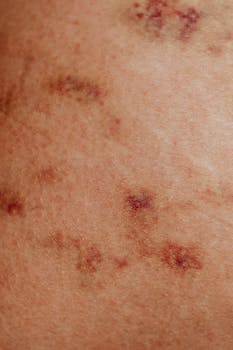
The fifth virus, also known as parvovirus B19, primarily affects children, though adults can be susceptible as well. It is important to recognize the fifth virus symptoms to manage and respond appropriately. One characteristic symptom is a distinctive rash, often referred to as the “slapped cheek” rash due to its notable appearance on the face.
Recognizing Fifth Virus Symptoms
The primary symptom of the fifth virus in children is the appearance of a bright red rash on the cheeks, giving the “slapped cheek” look. Other symptoms can include fever, runny nose, and headache, mimicking the common cold. Adults may experience joint pain and swelling without the rash.
Understanding the Fifth Virus Rash
The fifth virus rash does not only appear on the cheeks but can spread to the body, particularly on the arms, legs, and trunk. The rash may be itchy and typically resolves within a few days, but the timing can vary depending on the individual affected. Relief can often be found through over-the-counter medications for itching.
Transmission and Prevention
The fifth virus is primarily spread through respiratory secretions and contact with infected individuals. Good hygiene practices, such as frequent handwashing and avoiding close contact with those infected, can reduce the risk of transmission. Unfortunately, by the time the rash appears, the virus is usually no longer contagious.
Complications and Risks
Complications from the fifth virus are uncommon in healthy individuals but can be more serious in those with weakened immune systems or certain blood disorders. Pregnant women are also at risk since the virus can affect the fetus. It’s vital for those in these risk categories to consult healthcare professionals if exposure is suspected.
For a holistic understanding of health management across ages, consider exploring holistic wellness approaches.
Treatment and Management
There is no specific treatment for parvovirus B19, but symptoms can usually be managed with rest, hydration, and medications to alleviate discomfort. Because the virus is generally mild, especially in children, medical treatment is rarely necessary. However, individuals with complications should seek professional medical advice.
For more detailed information regarding viruses and other health-related topics, you may visit this informational page.
Conclusion
Understanding the fifth virus symptoms, particularly the characteristic rash, is crucial in addressing this common viral infection. While generally mild in nature, it is still essential for individuals, especially those in at-risk categories, to be aware and take necessary precautions. Should symptoms persist or complications arise, consulting a healthcare provider is recommended.
- The fifth virus is primarily associated with a “slapped cheek” rash.
- Symptoms in adults can include joint pain without a rash.
- Transmission occurs through respiratory droplets and close contact.
- Complications are rare but can be serious for certain risk groups.
- Management focuses on relieving symptoms as the infection resolves.
What are the main symptoms of the fifth virus?
The primary symptoms of the fifth virus include the characteristic bright red rash on the cheeks, fever, runny nose, and headache. Adults may also experience joint pain.
How is the fifth virus transmitted?
It spreads mainly through respiratory secretions like mucus and saliva, or through contact with infected individuals, especially in crowded environments.
How does the fifth virus affect adults?
While adults might not exhibit the rash, they can experience joint discomfort and swelling, which may be more pronounced and lasts longer compared to symptoms in children.
Are there any complications associated with the fifth virus?
Complications are uncommon in healthy people but can occur in pregnant women and individuals with a weakened immune system or specific blood disorders, potentially leading to more severe health issues.
What should one do if they suspect they have the virus?
If you suspect you have the fifth virus, especially if you are in an at-risk category, it’s advisable to rest, stay hydrated, manage symptoms with OTC medications, and consult a healthcare provider for personalized advice.
Other Articles You May Find of Interest...
- Exploring the Impact of Viral Exanthems on Health and Well-being
- The Role of Alpha 1 Globulin in Your Health and Well-being
- Are You at Risk? Discover If Yellow Jackets Sting
- The Importance of the Buffy Coat in Blood Analysis
- Safe Timing Between Zyrtec and Benadryl: What You Need to Know
- Samter’s Triad Explained: The Link Between Asthma, Nasal Polyps, and Aspirin Sensitivity
- Could You Be Allergic to Onions? Signs, Symptoms, and What to Avoid




