






More Allergy, Asthma & Infectious Disease Articles
How to Identify and Treat Painful Black Fly Bites?
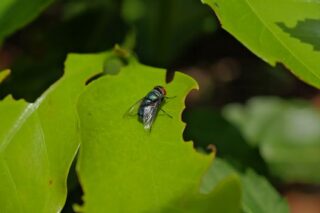
If you’ve ever spent time outdoors during the warmer months, you may have encountered a black fly bite. These small insects can cause significant discomfort with their bites, which often become itchy and painful. Identifying a black fly bite can be crucial for treating symptoms effectively and finding relief.
Identifying a Black Fly Bite
Black flies, also known as buffalo gnats, are notorious for their painful bites. They are typically found in areas near flowing water bodies such as rivers and streams. The bite of a black fly can result in visible red welts and swelling.
Unlike mosquito bites, which may appear as small bumps, black fly bites are often more pronounced. Look for these distinctive signs to identify a bite:
- Red, swollen welts on exposed skin
- Significant itching and burning sensation
- Possible minor bleeding at the bite site
Treating Black Fly Bites
Treating the discomfort from a black fly bite starts with cleaning the affected skin. Wash the area with soap and water to minimize the risk of infection. Applying a cold compress can help reduce swelling and numb the pain.
Over-the-counter antihistamines and anti-itch creams can also offer relief. These creams often contain ingredients like hydrocortisone or calamine, which may help diminish itching and irritation. It’s important to avoid scratching the bite to prevent further irritation or infection.
If you’re interested in additional wellness strategies, consider the importance of a high-protein diet for overall health, including immune support, which can be beneficial when dealing with any type of skin injury.
Prevention Strategies
Preventing black fly bites can make your outdoor experiences more enjoyable. Here are a few strategies to keep these pesky insects at bay:
- Wear long-sleeve shirts and pants to cover exposed skin.
- Use insect repellent containing DEET or permethrin on skin and clothing.
- Avoid outdoor activities during peak fly activity times, usually at dawn and dusk.
- Consider setting up physical barriers or nets, especially when camping near water.
When to See a Doctor
While most black fly bites are harmless and can be managed at home, there are instances where medical attention is necessary:
- The bite area shows signs of infection, such as increased redness, pus, or warmth.
- Persistent symptoms that do not improve with home treatment.
- Any signs of an allergic reaction, including difficulty breathing or swelling of the lips or face.
In such cases, seeking advice from a healthcare provider is prudent. They can offer appropriate treatment, including prescription medications if needed.
FAQs About Black Fly Bites
What are the symptoms of a black fly bite?
A black fly bite is characterized by a red, swollen welt that is often itchy and painful. Some bites may result in minor bleeding.
How can I prevent black fly bites?
To prevent black fly bites, wear protective clothing, use insect repellent, and avoid outdoor activities during the flies’ peak activity periods, typically at dawn and dusk.
Are black fly bites dangerous?
While most black fly bites are not dangerous, they can cause discomfort and, in rare cases, lead to infection or an allergic reaction. Consult with a healthcare provider if symptoms persist or worsen.
Can black fly bites transmit diseases?
In North America, black fly bites rarely transmit diseases. However, in some parts of the world, they can carry pathogens. It is always wise to remain cautious and take preventive measures.
Should I scratch a black fly bite?
It is best to avoid scratching a black fly bite, as this can lead to increased irritation and the possibility of infection. Use soothing creams and antihistamines to relieve itching.
For more information about general health and to deepen your understanding of wellness practices, feel free to explore resources such as the Wikipedia health page.
- Black fly bites can cause significant irritation but are usually not dangerous.
- Treatment involves cleaning the bite and using topical creams to reduce symptoms.
- Prevention includes protective clothing and insect repellents.
- Seek medical advice if bite symptoms persist or worsen.
- Scratching can worsen irritation and risk infection.
Other Articles You May Find of Interest...
- The Role of Metamyelocytes in Your Blood Health
- Understanding Varicella IgG: What It Means for Your Health
- The Essential Role of the Bell of a Stethoscope in Patient Diagnosis
- Strep Throat Duration: How Long Can You Expect It to Last Without Antibiotics?
- What Is Purpura Fulminans and How Can It Impact Your Health?
- Navigating ICD 10 Allergic Rhinitis: Understanding the Codes and Impacts
- Can Benadryl Affect Your Blood Pressure?




