






More Allergy, Asthma & Infectious Disease Articles
Enhancing Lung Health Through Effective Pulmonary Hygiene Practices
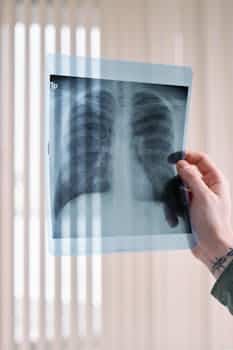
Many people assume that a chronic cough or congestion is just a part of getting older or lingering from a cold. However, understanding pulmonary hygiene can play a crucial role in maintaining lung health. By integrating certain practices into your daily routine, you can potentially improve your respiratory function, especially for those with existing lung conditions.
What is Pulmonary Hygiene?
Pulmonary hygiene, sometimes referred to as airway clearance techniques, involves a series of methods designed to help clear mucus and other secretions from the lungs. This is particularly beneficial for individuals with health conditions such as cystic fibrosis, chronic obstructive pulmonary disease (COPD), or pneumonia, where mucus accumulation can hinder breathing and lead to infections.
Simple Practices for Lung Health
Incorporating certain pulmonary hygiene techniques into your lifestyle can support your respiratory health significantly. Here are some practices that may help:
- Postural Drainage: This involves positioning your body in specific ways, often with the head lower than the chest, to use gravity to assist with mucus drainage.
- Percussion and Vibration: Gently tapping or vibrating certain areas of the chest can help loosen mucus, making it easier to cough up.
- Deep Breathing and Coughing Exercises: Regular deep breathing exercises can help expand the lungs and maintain elasticity, while certain coughing techniques may assist in clearing airways.
- Hydration: Drinking plenty of fluids helps thin mucus, making it easier to expel.
When to Seek Care
It’s important to consult a healthcare provider if you experience persistent symptoms such as chronic coughing, frequent lung infections, or shortness of breath. These could indicate underlying conditions that require medical evaluation. A pulmonologist, a specialist in lung health, can offer comprehensive care and recommend personalized airway clearance techniques if needed.
The Role of Lifestyle Choices
Lifestyle choices can have a profound impact on your respiratory health. Factors like smoking cessation, regular physical activity, and a nutritious diet can all support lung function and overall well-being. Incorporating healthy habits into your routine can help prevent chronic conditions and improve the efficiency of pulmonary hygiene techniques. Learn more about how lifestyle choices impact our overall health and can contribute to respiratory wellness.
Medication and Airway Clearance
For individuals with chronic respiratory conditions, medications such as bronchodilators or mucolytics may be prescribed to aid pulmonary hygiene by relaxing airway muscles or thinning mucus secretions. It’s crucial to follow your doctor’s advice on medication use and consult them if you experience side effects or if your symptoms change. Not everyone will require medications, and their necessity often depends on the underlying condition and its severity.
Incorporating Practices into Daily Life
Pulmonary hygiene does more than simply improve health; it can enhance day-to-day activities by making breathing easier, increasing stamina, and reducing the risk of infections. This can lead to greater involvement in physical and social activities, contributing to a higher quality of life.
Common Questions
Is pulmonary hygiene necessary for everyone?
Pulmonary hygiene is particularly beneficial for individuals with chronic lung conditions. However, those in good health may still benefit from certain practices, like breathing exercises, to maintain optimal lung function.
Can these techniques replace medical treatment?
No, pulmonary hygiene techniques are complementary practices that can support medical treatment and enhance respiratory health. Always consult your healthcare provider for treatment of chronic conditions.
What type of provider can help me learn these techniques?
A respiratory therapist or a pulmonologist can guide you in learning specific pulmonary hygiene techniques suitable for your condition.
Are there any risks associated with pulmonary hygiene practices?
When performed as instructed by a healthcare professional, pulmonary hygiene techniques are generally safe. However, if you experience discomfort or adverse effects, stop the practice and consult your healthcare provider.
How long does it take to see improvements?
This can vary depending on individual health conditions and the consistency with which the practices are performed. Some people may notice immediate relief, while others may require a longer period to see significant changes.
Pulmonary hygiene is a valuable practice for enhancing lung health and can be particularly beneficial for those with chronic respiratory conditions. By integrating these practices, including staying hydrated and using techniques like postural drainage, you can support your pulmonary function effectively. For more comprehensive information on maintaining health, access external resources like Mayo Clinic for trusted advice.
- Pulmonary hygiene is crucial for individuals with lung conditions.
- Lifestyle choices greatly impact respiratory health.
- Regular practice can enhance day-to-day activities and quality of life.
- Consult with a healthcare provider for tailored techniques.
- Incorporate these techniques alongside regular treatments for best results.
Other Articles You May Find of Interest...
- How to Keep Pollen Out of Your Home: Choosing an Air Purifier for Pollen
- When Should Your Child See a Pediatric Allergist? A Three-Trigger Test
- Candida sp. rRNA Results: What Molecular Testing Detects
- Ant Bites or Poison Ivy? How the Rashes Differ
- Can Stress Cause Cold Sores on the Lips?
- Gram-Positive Rods in a Blood Culture: Contamination or Infection?
- Can Head Lice Get Into Your Ears?





