






More Allergy, Asthma & Infectious Disease Articles
Effective Remedies for Poison Ivy on Skin and How to Alleviate the Rash
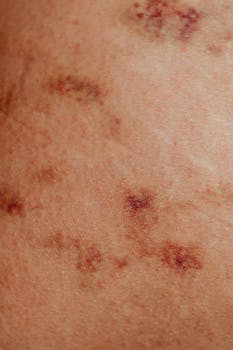
Dealing with poison ivy on skin is an all-too-common issue for many outdoor enthusiasts. The itchy rash caused by poison ivy can be both irritating and persistent. Understanding how to manage and alleviate the symptoms is essential for comfort and speedy recovery. This article will explore the effective remedies available to treat poison ivy rashes and provide useful tips to help ease your discomfort.
What is Poison Ivy on Skin?
Poison ivy is a plant that contains an oily resin called urushiol, which is responsible for the allergic reactions that occur when it comes into contact with the skin. This reaction results in an itchy, red rash that can develop blisters and swell. These symptoms can appear within hours of contact or a few days later, and the severity can vary from person to person.
Immediate Steps to Take After Exposure
If you suspect that you have come into contact with poison ivy, it’s important to act quickly to minimize the rash. Here are some immediate steps you should take:
- Wash the affected area with soap and cool water as soon as possible. This can help remove any remaining urushiol from your skin.
- Clean under your fingernails to ensure no oil is trapped, which can spread the rash.
- Apply a cold compress to reduce the itching and inflammation.
Home Remedies for Alleviating the Rash
After initial cleaning, several home remedies and over-the-counter (OTC) treatments can help relieve the symptoms of a poison ivy rash. Here are some effective options:
- Calamine lotion: This soothing lotion can help relieve the itch and discomfort.
- Baking soda paste: Mix baking soda with a little water to create a paste and apply it to the rash.
- Oatmeal baths: Taking a bath with colloidal oatmeal can help soothe the skin.
- Aloe vera: Known for its skin-soothing properties, natural aloe vera gel can be applied directly to the rash.
- Cooling gels: Products containing menthol can provide a cooling sensation and relieve itching.
Medications for Severe Reactions
In more severe cases of poison ivy on skin, medications prescribed by a healthcare professional may be necessary. These may include:
- Oral corticosteroids: Strong anti-inflammatory medications that can help reduce swelling and discomfort.
- Antihistamines: These can be useful in reducing itching and allowing for better sleep.
It is important to consult a healthcare provider for personalized medical advice, especially if the rash is widespread or showing signs of infection.
Preventing Poison Ivy Rashes
The best way to deal with poison ivy is to avoid contact altogether. Here are some preventive measures:
- Learn to identify poison ivy in nature to avoid accidental contact.
- Wear long sleeves, pants, and gloves when in areas where poison ivy may grow.
- Use barrier creams that contain bentoquatam if you anticipate exposure to allergens.
Exploring Holistic Approaches
Many individuals also explore complementary and integrative approaches to dealing with poison ivy rash. For more on how holistic methods may support traditional treatments, see our evidence-based look at holistic medicine vs. traditional medicine.
When to Seek Medical Attention
If the rash covers a large part of your body, involves the face or genitals, or if you experience difficulty breathing or swallowing, seek medical attention immediately. These may be signs of a severe allergic reaction or infection.
By understanding poison ivy on skin and taking appropriate steps, you can effectively manage and alleviate the rash. For additional information, visit the Wikipedia page on poison ivy.
Takeaways
- Prompt washing and rinsing of the skin can reduce the severity of a poison ivy rash.
- Several home remedies and OTC treatments are available to ease symptoms.
- Preventive measures can help avoid future contact with poison ivy.
- Holistic approaches may complement traditional treatments.
- Seek medical advice for severe reactions or large rashes.
FAQ
What should I do immediately after touching poison ivy?
Wash the area with soap and cool water as quickly as possible to remove the oil. This can minimize the severity of the rash.
How can I relieve the itching from poison ivy rash?
Applying calamine lotion, aloe vera, or taking an oatmeal bath can help soothe itching. Cold compresses can also provide relief.
When should I see a doctor for poison ivy?
If the rash is widespread, on sensitive areas, or if you have difficulty breathing, you should seek medical care as these could be signs of a severe reaction.
Can poison ivy rash spread from person to person?
The rash itself is not contagious, but urushiol can be spread through physical contact, so it’s important to thoroughly clean any contaminated items.
What are some preventive measures against poison ivy?
Wearing protective clothing and using barrier creams can help prevent contact, and learning to recognize poison ivy plants will aid in avoiding them.
Other Articles You May Find of Interest...
- Exploring the Impact of Viral Exanthems on Health and Well-being
- The Role of Alpha 1 Globulin in Your Health and Well-being
- Are You at Risk? Discover If Yellow Jackets Sting
- The Importance of the Buffy Coat in Blood Analysis
- Safe Timing Between Zyrtec and Benadryl: What You Need to Know
- Samter’s Triad Explained: The Link Between Asthma, Nasal Polyps, and Aspirin Sensitivity
- Could You Be Allergic to Onions? Signs, Symptoms, and What to Avoid




