






Your Health Magazine
4201 Northview Drive
Suite #102
Bowie, MD 20716
301-805-6805
More Allergy, Asthma & Infectious Disease Articles
Conquering Dyshidrotic Eczema: Causes, Symptoms, and Effective Treatments
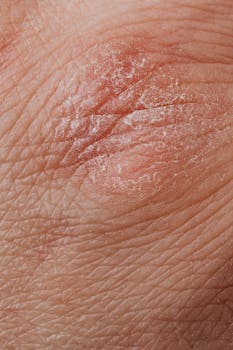
Dyshidrotic eczema, also known as dyshidrosis or dishydrotic eczema, is a skin condition characterized by small, fluid-filled blisters on the palms of the hands and soles of the feet. Understanding the causes, symptoms, and available treatments can empower those affected to better manage this often frustrating condition.
Understanding Dyshidrotic Eczema
Dyshidrotic eczema manifests as itchy, sometimes painful blisters that commonly affect the hands and feet. These blisters can occur due to various triggers, including stress, allergies, moist environments, or certain skin irritants. While the exact cause of dyshidrotic eczema remains unclear, it is essential for individuals to recognize symptoms early for effective management.
Common Dyshidrotic Eczema Causes
The specific causes of dyshidrotic eczema are not fully understood, but several factors are known to contribute to flare-ups. Exposure to allergens or irritants, such as nickel or cobalt found in jewelry, can provoke the condition. Stress and seasonal allergies also appear to play a role in some individuals. Additionally, individuals with a history of atopic dermatitis or other types of eczema may be more prone to developing dyshidrotic eczema.
Environmental factors such as hot, humid weather or excessive sweating can exacerbate the condition. It’s crucial to identify personal triggers and avoid them to minimize the frequency and severity of outbreaks.
Recognizing Dyshidrosis Symptoms
Dyshidrotic eczema symptoms are primarily characterized by the appearance of small vesicles. These fluid-filled blisters can cause significant discomfort due to itching and burning sensations. In some cases, the blisters may merge, leading to larger areas of affected skin. Over time, the skin may become dry, cracked, and even painful.
If left untreated, the blisters may become infected, requiring additional medical attention. Therefore, it is crucial to consult a healthcare provider promptly when symptoms persist or worsen.
Effective Dyshidrosis Treatment Options
Treatment for dyshidrotic eczema focuses on relieving symptoms and preventing future flare-ups. Because long-term use can lead to topical steroid withdrawal, treatment should always be carefully monitored and based on a thorough review of the patient’s medical history.
For milder symptoms, over-the-counter ointments and creams can help keep the skin moisturized and alleviate itching. It is also advisable to use hypoallergenic and fragrance-free products to avoid irritation. Cold compresses and barrier creams can provide additional relief by reducing irritation and protecting the skin from further damage.
Beyond conventional treatments, individuals may explore complementary approaches. A functional medicine approach may offer personalized insights into underlying triggers, allowing tailored strategies to manage dyshidrotic eczema effectively.
Preventing Dyshidrotic Eczema
Preventive measures are crucial in managing dyshidrotic eczema long-term. Identifying and avoiding specific triggers is the first step. Wearing gloves when handling potential irritants, such as cleaning chemicals, can protect the skin. Regularly moisturizing and maintaining a consistent skincare routine is essential, especially after handwashing or contact with water.
Managing stress through lifestyle changes and stress-relief techniques such as yoga or meditation can also reduce the risk of flare-ups. Additionally, controlling environmental factors, like humidity levels in the home, can help maintain skin integrity.
Living with Dyshidrotic Eczema
Living with dyshidrotic eczema requires ongoing management and adjustment. Educating oneself about the condition and staying informed through credible sources can improve coping strategies and outcomes. Reliable sources such as the Wikipedia page on eczema provide comprehensive information on symptoms and treatments available.
Ultimately, working closely with healthcare professionals ensures a tailored approach to treatment, addressing individual needs and promoting skin health.
Conclusion
Managing dyshidrotic eczema involves understanding the condition, recognizing triggers, and implementing effective treatments. This approach not only alleviates symptoms but also supports overall skin health. An informed strategy, alongside professional guidance, can significantly improve quality of life for those affected by dyshidrotic eczema.
- Dyshidrotic eczema is characterized by small, fluid-filled blisters on hands and feet.
- Causes include allergens, stress, and moisture, though exact triggers vary per individual.
- Treatment ranges from topical corticosteroids to preventive skin care and lifestyle changes.
- Identifying personal triggers is key to managing and preventing flare-ups.
- Working with healthcare professionals ensures personalized, effective management strategies.
What triggers dyshidrotic eczema?
Common triggers include stress, allergies, nickel or cobalt exposure, hot or humid weather, and certain irritants. Identifying personal triggers is crucial for effective management.
How is dyshidrotic eczema diagnosed?
A healthcare provider can diagnose dyshidrotic eczema based on the appearance of blisters and patient history. In some cases, patch testing may be conducted to identify allergens.
Are there any home remedies for dyshidrosis?
Home remedies include using cold compresses, applying moisturizers, and avoiding known triggers. Using products labeled as hypoallergenic and fragrance-free can also help manage symptoms.
Can diet affect dyshidrotic eczema?
While no specific diet cures dyshidrotic eczema, some people find symptom relief by avoiding certain foods they are allergic to or that exacerbate their symptoms. Consulting a healthcare provider regarding diet changes is advisable.
Is dyshidrotic eczema contagious?
No, dyshidrotic eczema is not contagious. It results from individual triggers and conditions and cannot be spread from person to person.
Other Articles You May Find of Interest...
- Samter’s Triad Explained: The Link Between Asthma, Nasal Polyps, and Aspirin Sensitivity
- Could You Be Allergic to Onions? Signs, Symptoms, and What to Avoid
- What High Basophil Levels Mean for Your Health
- Do Antibiotics Expire and What You Should Know About Their Shelf Life?
- Is Your Skin Reacting to Grass? Discover the Causes and Remedies for Grass Rash
- What You Need to Know About Viral URIs and Their ICD-10 Classification
- Is the Hepatitis C Antibody Test Right for You? Discover Important Insights




