






More Addiction Articles
Nicotine Detection in Urine After Vaping: What You Need to Know
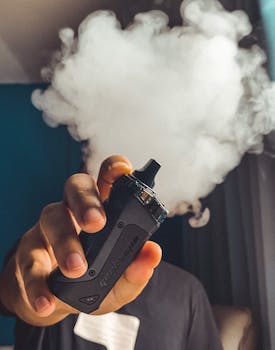
If you’ve been wondering about how long will nicotine be detected in urine after vaping, you’re not alone. This question is common for individuals concerned about health, medical tests, or monitoring substance use. Understanding this can be crucial for those looking to quit smoking or those curious about potential health implications associated with vaping.
How Long Will Nicotine Be Detected in Urine After Vaping?
The duration nicotine can be detected in your urine after vaping largely depends on several factors, including frequency of use, metabolism, and the type of test administered. Typically, nicotine and its metabolites, especially cotinine, can be detectable in urine for approximately three to four days after the last use. However, for frequent users, nicotine and cotinine may be detectable for up to a week or more.
Factors Influencing Detection Times
Understanding the factors affecting how long vaping nicotine stays in your system can provide greater insight into detection times.
- Frequency of Use: Habitual users generally have higher levels of nicotine accumulation, lengthening the detection window.
- Metabolism: Individuals with a faster metabolism may clear nicotine from their system more rapidly than those with slower metabolic rates.
- Hydration and Diet: Staying hydrated and having a balanced diet could potentially influence how quickly nicotine is flushed out of the body.
Understanding Nicotine Metabolism
Nicotine metabolism plays a significant role in how the substance is processed and expelled from the body. After vaping, nicotine enters the bloodstream and is quickly metabolized by the liver into cotinine, which is the primary marker used in many drug tests.
Cotinine can remain in the body for an extended period compared to nicotine, making it a reliable substance marker in urine tests. This is why health professionals often prefer cotinine testing over nicotine testing when evaluating nicotine use.
Health Implications of Nicotine Detection
The implications of nicotine detection vary depending on the context. For individuals using nicotine replacement therapy (NRT) for smoking cessation, early detection of nicotine can demonstrate adherence to treatment. On the other hand, unexpected nicotine detection might prompt further inquiry in clinical settings.
For those interested in quitting smoking or vaping, understanding nicotine and cotinine detection times can be an essential part of planning. Resources are available to support individuals in their quit journey, and reaching out to healthcare professionals for advice is encouraged.
The Role of Vaping
Vaping is often perceived as a less harmful alternative to smoking traditional cigarettes. However, nicotine detected after vaping still raises health concerns. Emerging research suggests that while vaping may pose fewer risks compared to smoking, it is not without potential health effects.
Importantly, the convenience of vaping and flavors available can sometimes lead to increased and more frequent use, potentially prolonging nicotine’s presence in the system.
Seeking Help and Support
If you are trying to quit smoking or vaping, or if you’re curious about how substance use affects your health, support is available. It’s important to seek professional guidance and explore options that can assist in reducing or quitting nicotine intake.
Understanding how nicotine affects addiction and health is a critical part of this journey.
For more comprehensive insights and scientific understanding, you can refer to external resources such as Wikipedia’s article on nicotine.
- Nicotine can be detected in urine for up to a week in frequent users.
- Cotinine, a nicotine metabolite, is used for detection due to its longer half-life.
- Factors like metabolism and frequency of use influence detection times.
- Vaping may pose fewer risks than smoking but is not without health concerns.
- Support options are available for those looking to quit vaping or smoking.
FAQ
What affects how long nicotine is detectable in the urine?
Several factors affect detection duration, including frequency of vaping, metabolism, diet, and level of hydration.
Can passive exposure to vaping impact urine nicotine levels?
While it’s theoretically possible, passive exposure usually results in very low concentrations unlikely to result in a positive test.
Does vaping leave nicotine in the body longer than smoking?
The duration is similar, but it depends on personal usage patterns more than the method of intake.
How can I speed up nicotine clearance from my body?
Staying hydrated and maintaining a healthy diet may aid in faster clearance, but metabolism largely dictates the process.
Are there long-term health implications from detectable nicotine levels?
Consistent nicotine exposure can have lasting health effects, and strategies to reduce intake should be discussed with a healthcare provider.
Other Articles You May Find of Interest...
- Tips to Effectively Stop Nail Biting for Healthier Nails
- How to Choose the Best Inpatient Rehab Near Me for Comprehensive Addiction Treatment
- How to Detox Benzodiazepines Safely and Effectively for Long-Term Recovery
- Why Treatment for Fentanyl Addiction is Needed?
- Online Addiction Treatment in Ontario: What Patients Should Know About Virtual Care
- Residential Drug Rehab: What It Is and Who It Helps
- Building Stronger Recovery Paths Through Accessible Treatment Options




