






Your Health Magazine
4201 Northview Drive
Suite #102
Bowie, MD 20716
301-805-6805
More Addiction Articles
A Nutritional Guide on Folic Acid During Alcohol Withdrawal for Safer Recovery
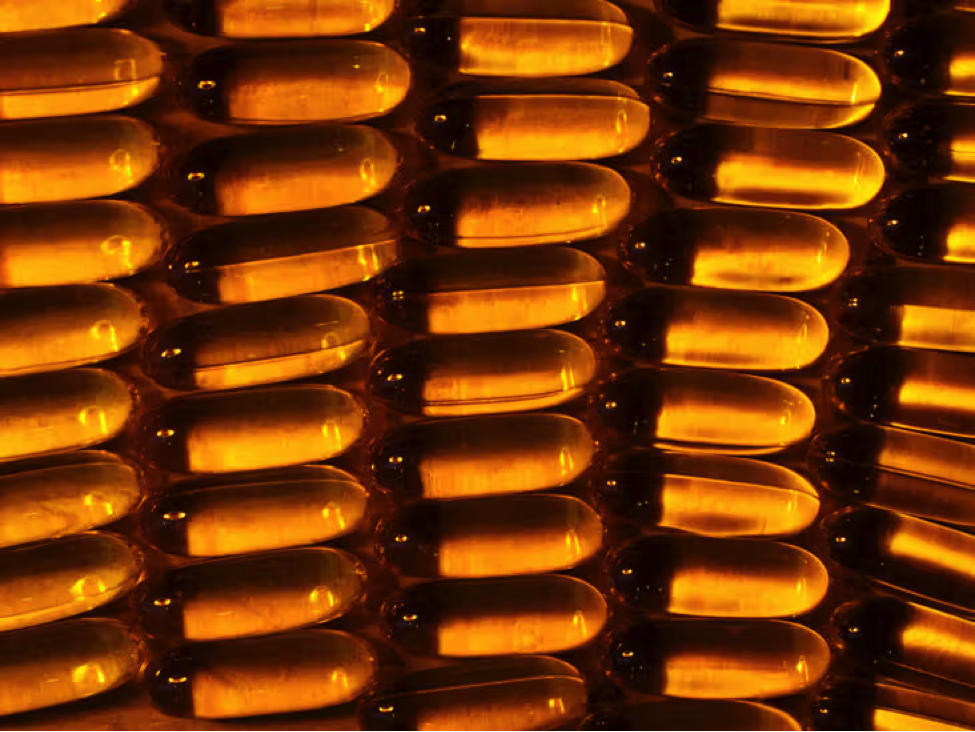
The medical and nutritional issue of alcohol withdrawal is more difficult than the physical symptoms. The depletion of folic acid during alcohol withdrawal is one of the serious nutritional deficiencies that occur during this difficult phase and which encompasses the lives of up to 80 percent of chronic alcohol use disorder patients. Folic acid supplementation in AUD effectively administered in accordance with alcohol withdrawal is critical in avoiding severe complications and facilitating a recovery process. The awareness of the significance of this nutrient, its correct dosage, and its interplay with other recovery variables can either be the key to a successful rehabilitation and continued health issues. This is a holistic nutritional guide on the essential role of folic acid during alcohol withdrawal in treatment and evidence-based information that can help make the process of withdrawal treatment safer and healthier.
Understanding Folate Deficiency in Alcoholism
Chronic drinking will directly affect the capacity of your body to absorb, store, and metabolize folate, which causes pervasive nutritional damage. Folate deficiency in alcoholism develops in several ways: alcohol damages the intestinal surface, preventing the absorption of various nutrients; folate is stored in the liver, which causes liver damage; unhealthy diets during the addiction preclude the appropriate consumption of foods that contain folate. When it comes to how much folic acid is recommended during alcohol withdrawal, healthcare providers acknowledge the fact that addressing folate deficiency in alcoholism is vital in the context of the prevention of severe complications. About half of alcohol-dependent patients admitted to hospitals have clinically significant folate deficiency that needs intensive supplementation. This deficiency is not a vacuum in itself–it also combines with other nutritional deficiencies and withdrawal symptoms to generate compounding health risks.
The Role of Vitamin B9 and Alcohol Withdrawal
Folic acid or vitamin B9 and alcohol withdrawal management plays many essential roles in the withdrawal recovery related to alcoholism. This is a vital nutrient since as a cofactor in the cell division and synthesis of DNA, it is important in the formation of red blood cells, neurological activity, and recovery of immune systems. There is an essential relationship between vitamin B9 and alcohol withdrawal as deficiency directly correlates with increased risk of seizures, cognitive issues, and depression at this risky stage in life. The nutrient is also beneficial in controlling the homocysteine and folate levels—a key issue in the withdrawal process because higher levels of homocysteine can enhance the exposure to cardiovascular and neurological damage. Your body will be unable to heal the massive damage of chronic alcohol consumption without sufficient vitamin B9 supplementation and homocysteine and folate in withdrawal management.
Dosage Information: 1 mg Folic Acid Alcohol Detox Protocol
According to medical guidelines, 1 mg folic acid alcohol detox supplementation in withdrawal should be done in a 1 mg each dose daily, which is administered either by mouth or intravenous route based on the specific conditions of the individual. This 1 mg folic acid alcohol detox dosage is the maximum recommended amount of folic acid especially in the adult population and it is a good response to the extreme deficiencies associated with alcohol use disorder. The usual protocol proceeds during the acute withdrawal stage, which ranges from several days to several weeks with an exception of those with treating megaloblastic anemia in alcoholics requiring extended supplementation. The rate of absorption is observed and administration routes are modified depending on the gastrointestinal functioning and treatment response by the healthcare providers.
Nutritional Support in Alcohol Detox
Thorough nutritional support in alcohol detox must be applied to cover many different deficiencies. In addition to folic acid supplementation, adequate care consists of thiamine (vitamin B1) 100-500 mg daily, magnesium and other vital nutrients, which are lost in alcoholism. It is a coordinated method, also referred to as banana bag IV therapy in hospitals, which provides vital micronutrients that, when combined, work together in order to promote physical and neurological recovery.
Conclusion
Folic acid during alcohol withdrawal is one of the pillars of medical recovery measures, which remedies one of the most prevalent and severe nutritional deficiencies in alcohol use disorder. Knowing about folate deficiency in alcoholism, the necessity of vitamin B9 supplementation, the need to take 1 mg folic acid alcohol detox dosage, and the significance of nutritional support in alcohol detox, one will be able to make better and more informed decisions toward healthier and safer recovery.
Other Articles You May Find of Interest...
- Is It Time for Alcohol Rehab? How to Tell When Drinking Has Crossed the Line
- Rehab for Women: Why Specialized Care Still Matters
- Stress, Life Transitions, and Independence Can Raise the Risk of Substance Abuse in Young Adults
- Unraveling the Significance of UDS in Medical Terminology
- Navigating the World of VTOS: Essential Insights for Better Health
- Navigating the Challenges of Buspirone Withdrawal
- How to Effectively Detect Smoking and Its Impact on Health




