
Natural Dentist Associates
Natural Dentist Associates
5809 Nicholson Lane
Suite T123
North Bethesda, MD 20852
301-888-6811
More Dental Health Articles
Dental Anxiety: Sedation and Comfort Dentistry
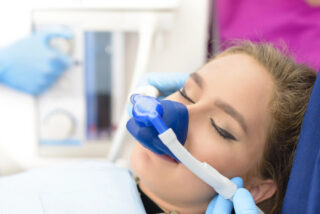
For many people, visiting the dentist can trigger feelings of anxiety, fear, or stress. Previous unpleasant experiences, sensitive teeth, a strong gag reflex, or fear of dental instruments can make even routine appointments challenging. Unfortunately, postponing dental care can allow minor oral health concerns to develop into more serious problems. Sedation and comfort dentistry offer several approaches to help patients receive necessary treatment while managing anxiety and discomfort.
Comfort dentistry focuses on addressing both the physical and emotional needs of patients throughout dental treatment. Techniques may include gentle treatment methods, calming surroundings, breathing exercises, frequent breaks, and clear communication about what to expect during a procedure.
Establishing a signal that allows patients to pause treatment can also provide a greater sense of control. For some individuals, these strategies are sufficient to manage dental anxiety without medication.
When traditional comfort measures are not enough, sedation may be an appropriate option. Several methods are available depending on the patient’s medical history, anxiety level, and treatment requirements.
Nitrous oxide: Inhaled through a mask placed over the nose. Promotes relaxation while allowing patients to remain awake and responsive.
Oral sedation: Prescription medication taken before treatment. Patients may feel drowsy and remember little of the procedure.
IV sedation: Administered directly into the bloodstream. May be appropriate for patients with significant dental anxiety or those undergoing complex procedures.
Before receiving sedation, patients should discuss their medical history, medications, allergies, and existing health conditions with their dental provider. Certain medical conditions may influence which sedation methods are appropriate.
Monitoring requirements vary according to the depth of sedation. Patients receiving oral or IV sedation generally need someone to drive them home and should follow all preparation and recovery instructions.
Sedation primarily helps manage anxiety and awareness. Local anesthesia may still be necessary to prevent pain during dental procedures.
Managing dental anxiety can help patients establish more consistent dental care habits, potentially reducing their risk of tooth decay, gum disease, and other oral health complications.
By combining appropriate sedation options with individualized comfort strategies, dental treatment can become a more manageable experience. Open communication about fears, sensitivities, and personal preferences is an important first step toward receiving necessary care with greater confidence and comfort.
Other Articles You May Find of Interest...
- What Dental Implants Are and How They Work
- Dental Anxiety: Sedation and Comfort Dentistry
- All-on-4 Dental Implants – A Stable, Natural-Looking Solution to Restore Your Smile
- Comprehensive Dental Services in Raleigh, NC: From Implants to Smile Makeovers
- What to Look for When Choosing an Orthodontist
- Bonding vs. Veneers: How to Choose
- Comparing Five Toothpastes for Gum Health: Ingredients, Plaque Control, and Gentle Care