Your Health Magazine Contributor
4201 Northview Drive
Suite 102
Bowie, MD 20716
More Medical Tourism Articles
Veneers in Turkey: What to Know Before You Book Your Smile Makeover

Scroll through social media for more than a few minutes and you will likely come across the phrase “Turkey teeth,” usually attached to a dramatic before-and-after photo. Behind the headlines, both good and bad, sits a growing trend: Americans are increasingly exploring international destinations for dental procedures, attracted by the possibility of accessing cosmetic treatments at a fraction of the price they might pay at home. Turkey has become one of the prominent destinations, particularly for procedures such as porcelain veneers, E-max restorations and complete smile makeovers.
The financial difference can be significant. According to Cinik Dental’s published E-max veneer pricing, a single veneer costs approximately 275 – 440 USD in Turkey, compared with 800 – 1,700 USD in the United States. For someone considering multiple veneers, the potential savings can make traveling abroad an attractive option. However, the initial treatment price is only part of the equation. Travel expenses, treatment standards, clinical qualifications and access to follow-up care all deserve careful consideration.
So, what should you actually know before booking? This guide examines the costs, treatment process, clinic selection criteria and safety considerations that American patients should understand before traveling to Turkey for a smile makeover.
How Much Do Veneers in Turkey Cost Compared with the USA?
Veneers in Turkey generally cost considerably less than comparable treatments in the United States, although the final price depends on the ceramic material, number of teeth, dentist’s experience and services included in the package.
Published E-max veneer price comparisons show considerable differences between countries. The following table summarizes the published international E-max veneer prices:
| Country | E-max veneer cost per tooth (USD) |
| Turkey | ~ 275–440 |
| United States | ~ 800–1,700 |
| United Kingdom | ~ 660–1,100 |
| Germany | ~ 770–1,320 |
| Spain | ~ 550–990 |
These comparisons illustrate the potential financial advantage of choosing Turkey. Some clinics also offer multi-tooth veneer packages, although the final price usually requires an individual quotation based on the patient’s dental condition and treatment requirements.
Patients should remember that these figures represent published treatment prices rather than guaranteed quotations for every patient. The actual cost depends on clinical requirements, the number of restorations and the services included.
Some Turkish clinics offer bundled packages that include accommodation, airport transfers, consultations and diagnostic imaging. Others cover dental treatment only. American patients should also account for airfare, meals, travel insurance and any additional dental work identified during the examination.
A lower advertised price should never be the only reason to choose a provider.
Why Are Veneers in Turkey So Much Cheaper?
A lower price does not automatically mean lower quality. Several economic and operational factors help explain the difference between dental treatment costs in Turkey and the United States.
Turkish clinics generally benefit from lower operating expenses, including property costs, salaries and laboratory overheads. The country’s established medical tourism infrastructure also attracts international patients, allowing some providers to operate at higher patient volumes and negotiate competitive prices for dental materials.
The materials themselves can be internationally recognized products. For example, IPS E-max is a lithium disilicate ceramic used in cosmetic dentistry in both Turkey and the United States. Its availability is not exclusive to either market.
However, patients should distinguish between the quality of the material and the quality of the clinical work. Even premium ceramic cannot compensate for poor treatment planning, excessive enamel removal or inaccurate fitting.
A transparent quotation should identify:
- The exact veneer material and manufacturer.
- The number of teeth included in the treatment.
- Dentist and dental laboratory fees.
- Whether digital smile design and temporary veneers are included.
- Whether accommodation and airport transfers are covered.
- The warranty conditions and post-treatment support.
What Does the Veneer Treatment Process Actually Involve?
For international patients, veneer treatment in Istanbul typically takes five to seven days, although the duration depends on the number of restorations, laboratory arrangements and individual clinical requirements.
The process generally involves several stages.
1. Initial Consultation
The process usually begins before the patient travels. Patients submit photographs, discuss their cosmetic concerns and provide available dental records. The dental team reviews the information and explains potential treatment options.
Some international dental providers, including Cinik Dental, offer consultation services for overseas patients, helping them understand the available procedures before arranging a visit to Turkey.
An important point is that an online assessment cannot replace a proper clinical examination. The dentist must evaluate the patient’s teeth, gums, bite and overall oral health before confirming whether veneers are appropriate.
2. Individual Treatment Planning
Following the initial assessment, the dentist develops a treatment plan based on the patient’s dental condition and aesthetic expectations.
This stage may involve:
- Clinical examination and dental X-rays.
- Digital scans or impressions.
- Digital Smile Design to preview potential results.
- Selection of veneer material and shade.
- Assessment of enamel thickness and tooth preparation requirements.
- A written treatment plan and cost estimate.
Patients should receive a clear explanation of how much natural tooth structure the procedure may require removing. They should also understand whether alternative treatments, such as teeth whitening, orthodontics or composite bonding, could achieve their goals with less intervention.
3. Veneer Preparation and Placement in Istanbul
Once the patient arrives in Turkey, the dentist performs a comprehensive examination and confirms the treatment plan.
If veneers are clinically appropriate, the dentist prepares the teeth according to the agreed design. This may involve removing a small amount of enamel, although preparation requirements vary depending on the patient’s existing tooth structure and the selected veneer type.
Digital scans or impressions are then sent to the dental laboratory, where technicians manufacture the custom restorations.
Temporary veneers may be fitted while the permanent ones are being produced. During the final appointment, the dentist checks the shape, shade, fit and bite before bonding the permanent veneers to the teeth.
A final examination should confirm that the restorations fit comfortably and that the patient’s bite functions correctly.
4. Aftercare and Follow-Up
Aftercare is an essential part of the treatment, particularly for patients returning to the United States shortly after their procedure.
Reputable clinics should provide written instructions covering oral hygiene, dietary precautions, potential sensitivity and what to do if a veneer becomes damaged or uncomfortable.
Patients should also receive copies of their dental records, X-rays, treatment details and information about the materials used. These documents can help an American dentist provide appropriate follow-up care if necessary.
Before traveling, patients should establish how the Turkish clinic will handle complications and whether any warranty covers repairs or replacements.
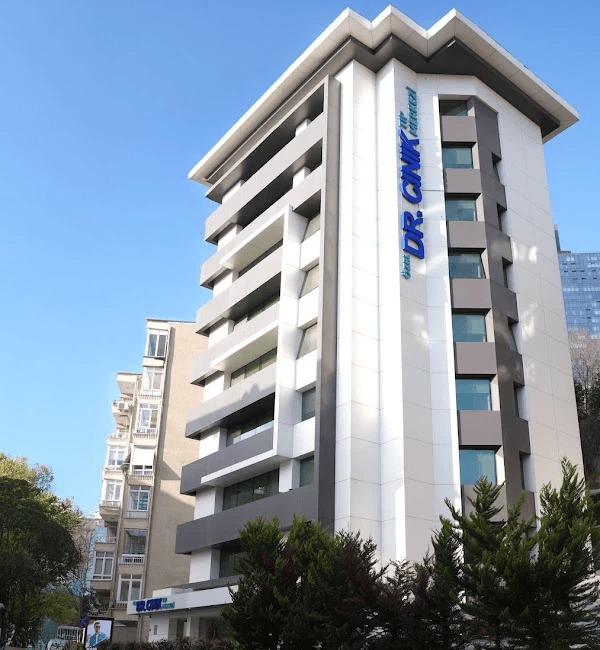
How Do You Choose a Safe Dental Clinic in Turkey?
Choosing the right clinic is arguably the most important decision in the entire process. The difference between a successful cosmetic result and an expensive complication often comes down to the dentist’s qualifications, treatment planning and clinical standards.
Before paying a deposit or booking flights, American patients should investigate the following:
- Official authorization: Patients should ask for the clinic’s documentation and verify its status through official Turkish health tourism channels.
- A named, qualified dentist: Find out who will perform the procedure. Review their dental education, professional qualifications and experience in cosmetic and restorative dentistry.
- An itemized treatment plan: Request a written quotation specifying the materials, number of veneers, laboratory arrangements, additional procedures and warranty conditions.
- A conservative treatment philosophy: Be cautious of providers who recommend extensive tooth preparation without explaining less invasive alternatives. Healthy teeth should not undergo unnecessary treatment simply to achieve a particular aesthetic appearance.
- Transparent communication: The clinic should explain potential complications, treatment limitations and realistic expectations rather than promising perfect results.
- Post-treatment support: Confirm how the clinic handles concerns after you return to the United States. Ask whether it can communicate directly with your local dentist and provide the necessary clinical documentation.
It is also worth checking independent patient reviews. Look beyond promotional testimonials and pay attention to comments about communication, treatment planning, complications and aftercare.
What About the “Turkey Teeth” Horror Stories?
The headlines deserve to be taken seriously, but they also need some context.
Much of the negative coverage surrounding “Turkey teeth” involves aggressive crown preparations rather than veneer treatment itself. Although both procedures can change the appearance of teeth, they involve different levels of tooth preparation.
A traditional veneer covers the front surface of a tooth, while a crown covers most or all of its visible structure. Depending on the clinical situation, crown preparation can require substantially more removal of natural tooth tissue.
This distinction matters because some patients seeking a brighter or more uniform smile receive extensive crown treatment when a more conservative alternative might have been appropriate.
There are several potential complications associated with poorly planned cosmetic dentistry:
- Excessive enamel removal: Removing too much natural tooth structure can increase sensitivity and compromise long-term tooth health.
- Bite problems: Incorrectly designed restorations can interfere with the natural bite, potentially causing discomfort or uneven pressure.
- Gum irritation: Poorly fitted veneers can contribute to inflammation and difficulties maintaining oral hygiene.
- Sensitivity: Some patients experience temporary or persistent sensitivity following tooth preparation.
- Restoration failure: Veneers can chip, crack, loosen or become damaged, particularly when the dentist does not adequately assess bite forces.
Dental tourism also creates practical challenges when patients return home. The American Dental Association has highlighted the importance of continuity of care, documentation and the potential difficulties patients may encounter when seeking follow-up treatment after receiving dental work abroad.
Ethical Obligations of Dentists
This does not mean that dental treatment in Turkey is inherently unsafe. Excellent and poor dentistry exist in every country. What matters is the quality of the individual provider, the clinical decisions made and the support available after treatment.
American patients should therefore prioritize a conservative approach, request a clear explanation of the proposed procedure and ensure they understand how much natural tooth structure will be removed.
Are Veneers Permanent, and How Long Do They Last?
Veneers are a long-term cosmetic dental treatment, but they are not necessarily permanent in the sense that they will last a lifetime.
Porcelain veneers can often last approximately 10 to 15 years with appropriate care, although some restorations last longer. Their lifespan depends on several factors, including material quality, bonding technique, bite alignment, oral hygiene and individual habits.
Patients should also understand that conventional veneer preparation is generally irreversible. Once the dentist removes enamel, the tooth may require a restoration for the remainder of its life.
To protect their investment, patients should:
- Brush twice daily using a fluoride toothpaste.
- Clean between their teeth regularly.
- Attend routine dental examinations.
- Avoid biting hard objects or using their teeth as tools.
- Consider a night guard if they grind or clench their teeth.
- Seek dental attention if a veneer becomes loose, chipped or uncomfortable.
It is also important to budget for future maintenance or replacement. The initial treatment price does not represent the total lifetime cost of having veneers.
The Bottom Line: Are Veneers in Turkey Worth It for American Patients?
For the right patient, getting veneers in Turkey can offer substantial financial savings without requiring a compromise on material quality. Istanbul has an established dental tourism sector, experienced cosmetic dentists and clinics offering internationally recognized ceramic materials such as IPS E-max.
The potential savings are particularly attractive for Americans facing the high cost of private cosmetic dentistry at home. However, the decision should involve more than comparing two price lists.
Patients should consider the complete financial commitment, including flights, accommodation, treatment costs, potential complications and future maintenance. They should also remember that cosmetic dental procedures are generally not covered by standard dental insurance unless there is an eligible medical or restorative indication.
Ultimately, the best approach is to treat dental tourism as a healthcare decision rather than a holiday bargain. Verify the dentist’s qualifications, investigate the clinic’s authorization, request a detailed treatment plan and make sure you have access to follow-up care after returning home.
A beautiful smile should not come at the expense of healthy natural teeth. With appropriate clinical assessment, conservative treatment planning and careful provider selection, veneers in Turkey may be a worthwhile option for Americans seeking a more affordable smile makeover.
Other Articles You May Find of Interest...
- Veneers in Turkey: What to Know Before You Book Your Smile Makeover
- Hospitals in Turkey for Foreigners: How to Choose One Safely
- Rethinking the Annual Physical: Why Americans Are Looking Abroad for Preventive Healthcare
- Medical Tourism: Benefits, Risks, and Planning Considerations
- What Patients Should Consider Before Choosing a Hospital Abroad
- Brain Tumor Surgery: Types, Procedure, Risks and Recovery
- Full-Arch Dental Implants in Turkey: What Should Your Treatment Plan Include?