Your Health Magazine Contributor
4201 Northview Drive
Suite 102
Bowie, MD 20716
More Senior Health Articles
GPS Tracker for Elderly Parents: Helping Families Balance Safety, Independence, and Peace of Mind
For many families, supporting aging parents means finding the right balance between staying involved and allowing loved ones to maintain their independence. Older adults may want to continue visiting friends, walking around their neighborhoods, shopping, attending appointments, or driving familiar routes without feeling that they need constant supervision.
However, families can become concerned when an older parent occasionally forgets directions, has difficulty navigating unfamiliar places, or does not answer phone calls while away from home. These concerns can become more significant when an older adult has memory-related difficulties or mobility challenges.
A GPS tracker for elderly parents can be one practical part of a broader family safety plan. It allows authorized family members or caregivers to check a person’s reported location through a smartphone or online platform, depending on the device.
GPS tracking does not replace medical care, personal assistance, or emergency services. Instead, when selected and used appropriately, it can give families another way to stay informed while helping older adults preserve as much independence as possible.
Why Families Consider GPS Trackers for Aging Parents

Aging affects everyone differently. Some older adults remain active and independent well into later life, while others may need additional support with everyday activities.
Families may begin considering a GPS tracking device when they notice changes in a parent’s routine or ability to navigate independently.
Some common situations include:
- An older parent occasionally becomes confused in unfamiliar areas.
- A parent with memory difficulties may have trouble finding the way home.
- A senior enjoys walking alone, but family members worry about unexpected delays.
- An older adult regularly travels to medical appointments or social activities.
- A parent continues driving and family members want additional visibility into vehicle journeys.
- Caregivers live in another city and cannot always check in personally.
These situations do not automatically mean that someone needs constant monitoring. The appropriate level of support depends on the individual’s abilities, preferences, medical circumstances, and living arrangements.
A conversation with a healthcare professional can help families understand whether changes in memory, orientation, balance, or daily functioning need further assessment.
How Does a GPS Tracker for Elderly Parents Work?
A GPS tracker uses satellite signals to estimate its geographical location. Many devices then send that information through a cellular connection to an online platform or mobile application.
An authorized family member can use the application to view the device’s latest reported position.
A typical GPS tracking system includes three main components:
GPS receiver: Receives satellite signals and calculates the device’s location.
Cellular communication: Sends location information to the tracking platform when a supported network connection is available.
Mobile application or dashboard: Displays the reported location and may provide additional features such as movement notifications, location history, or geofence alerts.
The exact features vary between devices. Some trackers provide frequent updates while moving, while others report less frequently to conserve battery power.
It is important to remember that a GPS tracker reports the location of the device, not necessarily the person. If the device is left at home, placed in another vehicle, or separated from its owner, the location shown may not represent the older adult’s actual whereabouts.
Different Types of GPS Trackers Families Can Consider
Not every GPS tracker is designed for the same purpose. Before purchasing one, families should understand the differences between personal tracking devices and vehicle tracking systems.
1. Wearable GPS Trackers
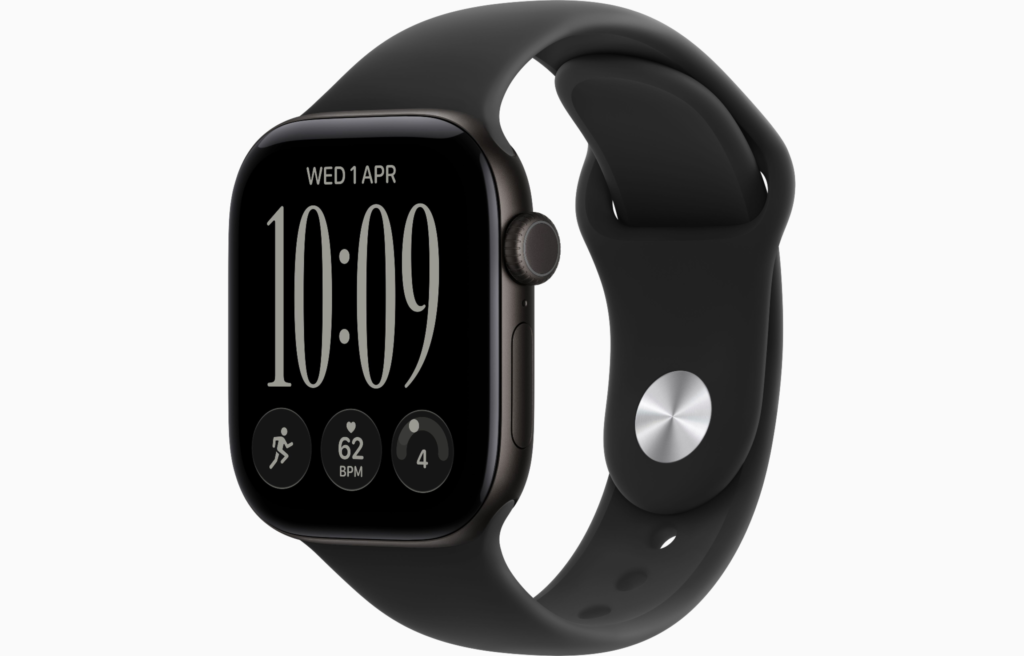
Wearable trackers are designed to be carried or worn by the person being monitored. Depending on the model, they may be available as watches, pendants, or compact devices.
These products can be useful for older adults who regularly walk outside or travel independently.
Features worth checking include:
- Comfortable design for everyday use.
- Simple controls that are easy to understand.
- Reliable location reporting.
- Battery life and charging requirements.
- Water resistance.
- Emergency assistance features, if available.
- Compatibility with the caregiver’s smartphone.
Some wearable devices combine GPS tracking with an emergency call function. However, not every GPS tracker includes a medical alert service, and families should not assume that location tracking automatically provides access to emergency assistance.
2. Portable GPS Trackers
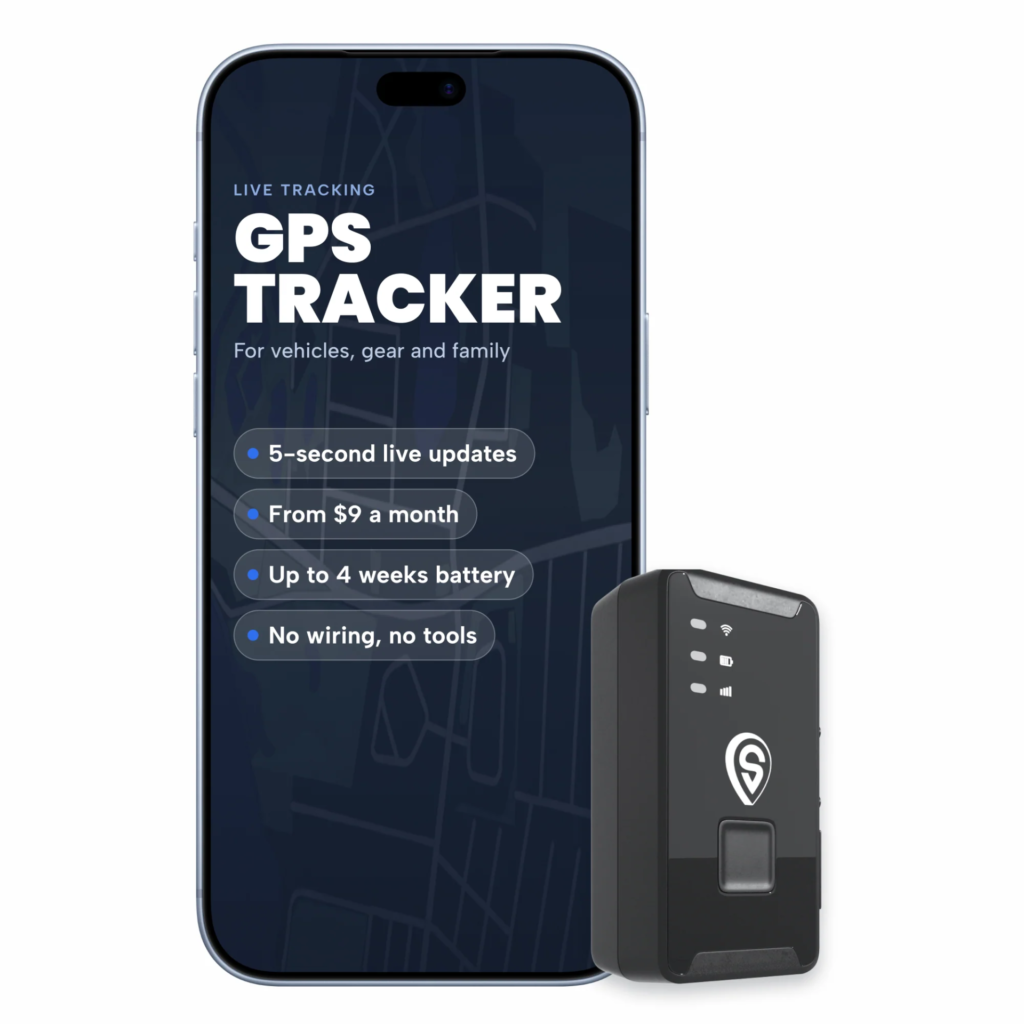
Portable GPS trackers are designed to be carried rather than worn. Depending on the manufacturer’s instructions, they may be suitable for a bag or other personal belongings.
This option may appeal to older adults who dislike wearing a watch or pendant.
However, families should consider whether the person will consistently remember to carry the device. A tracker left on a bedside table cannot provide the location of someone who has gone out.
The device’s size, weight, charging requirements, cellular compatibility, and location update frequency are important factors when comparing portable models.
3. Vehicle GPS Trackers
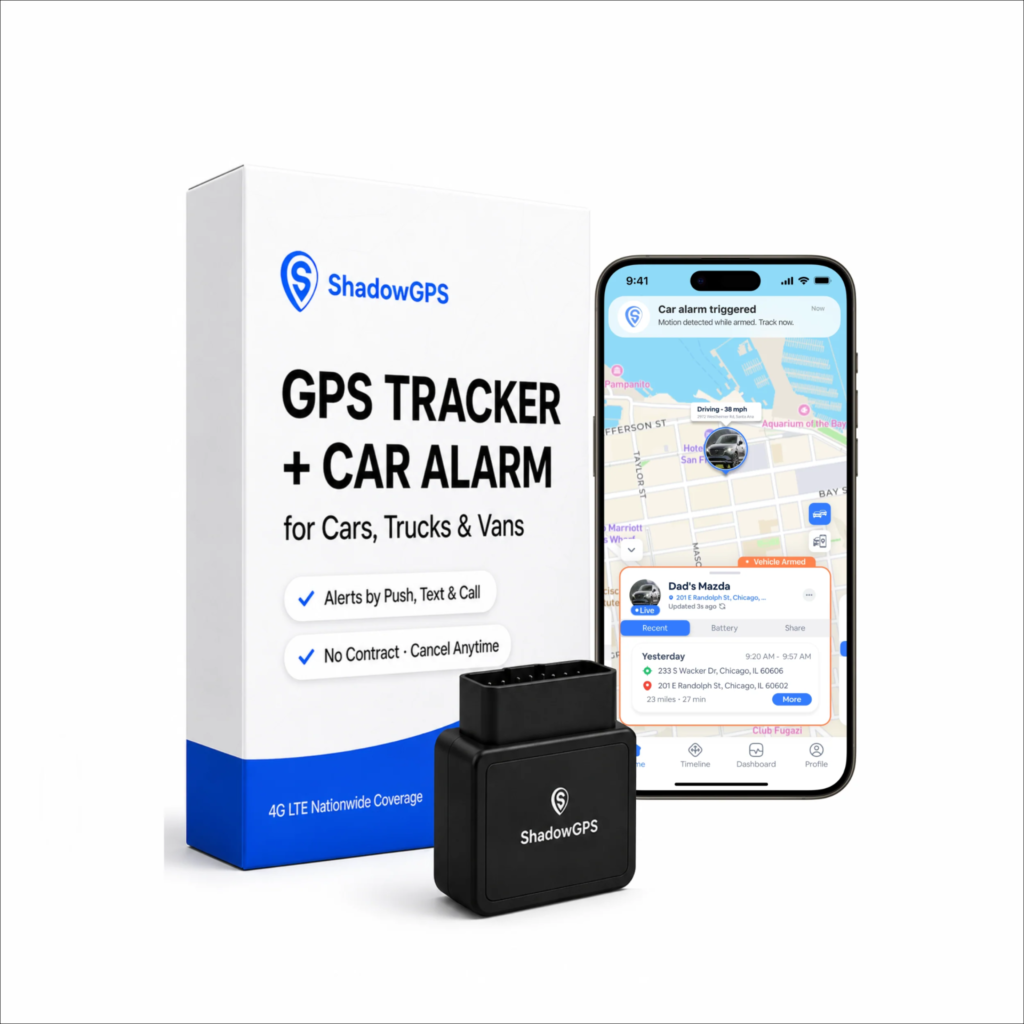
Some families are primarily concerned about an older parent’s driving habits and vehicle whereabouts.
A vehicle GPS tracker can help authorized family members check a car’s reported location and review available trip information. Certain systems also provide movement alerts and trip history.
For example, an OBD-II GPS tracker connects to a compatible vehicle’s diagnostic port and receives power from the car. Battery-powered vehicle trackers provide a different installation option and may be suitable for vehicles or assets without an OBD-II connection.
For example, ShadowGPS offers both OBD-II and battery-powered vehicle tracking devices, illustrating two common approaches to vehicle location monitoring.
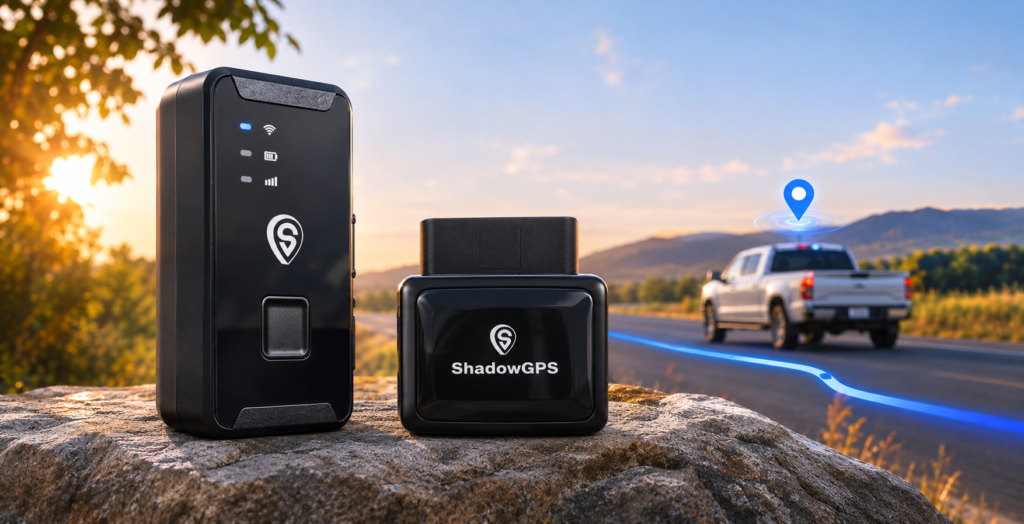
ShadowTrack offers a stated battery life of up to 15 days, depending on usage and settings. Both products are designed to provide location updates as frequently as every five seconds while moving, according to the manufacturer’s product information.
These products are vehicle and asset tracking devices, not medical alert pendants or dedicated wearable safety devices. Families considering them for an older parent’s driving routine should evaluate the vehicle-tracking purpose separately from personal location monitoring.
Important Features to Look for in a GPS Tracker for Seniors
The most expensive tracker is not necessarily the best option. Families should focus on practical features that match their parent’s daily routine and level of independence.
Location Update Frequency
Location update frequency determines how often the device sends new position information to its tracking platform.
A tracker that updates frequently while moving can provide a more detailed picture of a journey. A device that reports only occasionally may be sufficient for some general location-checking needs.
Check the manufacturer’s stated update interval and whether it applies while moving, while stationary, or under specific operating conditions.
Battery Life
Battery life is particularly important when a tracker is intended for everyday use.
A device that needs frequent charging may become inconvenient, especially if the older adult has difficulty remembering charging routines.
Families should consider:
- How long the battery lasts under normal use.
- How often the device needs charging.
- Whether the battery level can be checked remotely.
- Whether low-battery notifications are available.
- How charging is handled if the parent lives independently.
A charging routine can be included in an existing daily or weekly care schedule.
Geofencing and Movement Notifications
Geofencing allows users to define a geographical area on a digital map. Depending on the tracker, an alert may be generated when the device enters or leaves that area.
For example, a family might create a boundary around a familiar neighborhood or another location that is part of an older adult’s regular routine.
Movement notifications can also help caregivers notice when a tracked device starts moving.
These alerts should be treated as useful information rather than proof that something is wrong. A person may have a perfectly reasonable reason to leave a familiar area, and an alert may be delayed or unavailable if the device loses connectivity.
Easy-to-Use Technology
Technology should make everyday life simpler, not more stressful.
A tracker with a complicated setup process or confusing application may create problems for both the older adult and the caregiver.
Look for a clear interface, straightforward instructions, accessible controls, and reliable customer support. If multiple family members will be involved in caregiving, check whether the platform supports appropriate shared access.
Cellular Network Compatibility
GPS determines location, but a cellular connection is commonly needed to send that location to a remote application.
This means network compatibility matters. Families should confirm that the tracker supports the cellular networks available in the areas where their parent lives and travels.
Poor reception, buildings, underground parking, and other environmental conditions can affect location reporting.
Subscription Costs
Many GPS tracking devices require an ongoing subscription for cellular connectivity and access to the tracking platform.
Before purchasing, compare the full cost of ownership rather than focusing only on the initial device price.
Check whether the plan includes location updates, trip history, geofence alerts, multiple-device access, and customer support. Also review cancellation terms and whether prepaid options are available.
GPS Tracker vs. Medical Alert Device: Understanding the Difference
One important consideration is that GPS trackers and medical alert devices serve different purposes.
A GPS tracker is primarily designed to report a device’s location. It may help a family understand where a parent or their vehicle has travelled, depending on the type of tracker.
A medical alert device is designed to help someone request assistance during an emergency. Some systems connect users to a response center or designated contacts when an emergency button is pressed.
Certain products combine both functions, but families should check the actual features rather than assuming they are interchangeable.
For an older adult who has a history of falls or another medical concern, a GPS tracker alone may not provide the type of emergency response required.
Discussing individual needs with a healthcare professional can help determine whether a medical alert system, personal GPS device, caregiver support, or a combination of options is appropriate.
How to Introduce GPS Tracking Without Making a Parent Feel Monitored
One of the biggest challenges families face is not choosing a device. It is discussing the idea of tracking with an older parent.
For someone who has spent decades managing their own schedule, being asked to carry a GPS tracker may feel like losing independence.
A respectful conversation can make a significant difference.
Explain the Purpose Clearly
Instead of presenting tracking as a way to watch someone’s movements, explain the practical concern behind the suggestion.
For example, a family might say that they want an easier way to check whether a parent arrived safely after a long drive or an unfamiliar appointment.
The discussion should focus on reassurance and agreed-upon safety needs rather than control.
Include Your Parent in the Decision
Whenever possible, let the older adult participate in choosing the device.
They may prefer a wearable device, a portable tracker, or a system that monitors only their vehicle. Their comfort with the design and technology will affect whether they use it consistently.
Agree on Who Can Access the Location
Families should discuss who will have access to the tracking account and when location information will be checked.
Clear expectations can help prevent misunderstandings and unnecessary monitoring.
Review the Arrangement Over Time
An older adult’s needs may change. A tracking arrangement that feels appropriate today may need adjustment later.
Families can periodically review whether the device remains useful, whether alerts are working as intended, and whether the level of monitoring still respects the person’s preferences and abilities.
Limitations Families Should Understand
Although GPS tracking can be useful, it is not a complete safety solution.
- Signal interruptions: GPS reception and cellular coverage can be limited in certain locations, including underground spaces and some buildings.
- Battery failure: A device with a depleted battery cannot reliably provide current location information.
- Device separation: The tracker may be left behind, lost, or removed from the person or vehicle it is intended to monitor.
- Location inaccuracies: Reported positions may not always be exact, especially where satellite reception is limited.
- No automatic medical diagnosis: A GPS tracker cannot determine whether someone is confused, injured, unwell, or experiencing a medical emergency.
- No guaranteed recovery: Location information may help families respond to a missing-person situation, but it cannot guarantee that a person will be found or reached safely.
For these reasons, GPS tracking should be part of a wider plan that may include regular communication, emergency contacts, appropriate medical support, and a discussion about independent living arrangements.
Building a Broader Safety Plan for Aging Parents
A GPS tracker can be one useful tool, but families should consider the bigger picture.
A practical safety plan may include:
- Keeping emergency contact information current.
- Reviewing transportation and driving needs.
- Maintaining regular check-ins with family members.
- Discussing changes in memory, mobility, or orientation with a healthcare professional.
- Making sure the home environment is suitable for the parent’s mobility needs.
- Considering medical alert services when emergency assistance may be needed.
- Establishing a clear family response plan if a parent cannot be contacted.
If an older adult becomes unexpectedly confused, goes missing, or appears to be in immediate danger, families should contact the appropriate emergency services rather than relying solely on a tracking application.
Final Thoughts
Choosing a GPS tracker for elderly parents is not simply a technology purchase. It is a decision about safety, communication, privacy, and independence.
The right device depends on what the family needs to monitor. Wearable and portable GPS trackers may suit personal location monitoring, while vehicle GPS systems can provide additional visibility into driving journeys and vehicle whereabouts.
Before choosing a device, compare location update frequency, battery life, cellular compatibility, application features, subscription costs, and ease of use. Most importantly, involve the older adult in the decision whenever possible.
When used transparently and alongside appropriate family and healthcare support, GPS tracking can help families stay informed while allowing aging parents to continue enjoying meaningful independence.
Other Articles You May Find of Interest...
- Dry, Itchy Skin in Elderly Adults: Keeping Aging Skin Comfortable Through Winter
- Helping Seniors Cope With Grief During the Holiday Season
- GPS Tracker for Elderly Parents: Helping Families Balance Safety, Independence, and Peace of Mind
- Understanding Private, Self-Funded Aged Care at Home in Australia
- When Should an Elderly Parent Move into a Nursing Home?
- How Memory Care Helps Families and Their Loved Ones
- CCRC vs Assisted Living: Key Cost Differences