
More Beauty Skin Care & Gorgeous Smiles Articles
When Breast Revision Surgery in Korea Makes Sense After a Disappointing Result
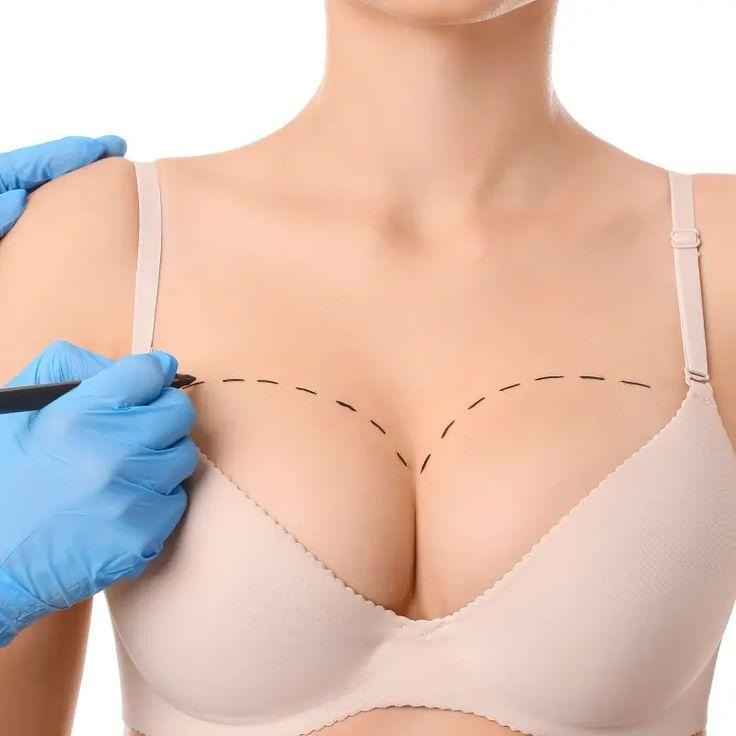
A disappointing outcome after breast surgery can affect more than appearance. Changes in shape, uneven positioning, discomfort, visible scarring, or concerns about an implant may leave someone wondering whether another procedure is appropriate. Revision surgery is not automatically the next step, however. The cause of the concern, the condition of the breast tissue, healing progress, and personal health all matter. For people considering treatment abroad, South Korea may be one option to research, but the decision should begin with a careful medical assessment rather than a destination or a promise of a particular result.
Recognizing When Results Need Review
A result that differs from the agreed plan may justify a review, especially when the concern remains after the normal healing period. Common reasons for seeking another opinion include noticeable asymmetry, implants that sit too high or low, changes in shape, persistent tightness, or scars that cause discomfort. Some concerns improve as swelling settles and tissues soften. Others may reflect an implant position or capsule issue that needs assessment. A qualified surgeon can help distinguish expected recovery changes from problems that may require treatment over time.
Identifying Possible Implant Complications
Pain, increasing firmness, swelling, a change in breast shape, or a suspected implant rupture should not be treated as cosmetic concerns alone. Capsular contracture occurs when scar tissue around an implant tightens; severe cases can cause discomfort and distortion. Implants can also shift, rupture, or become associated with fluid build-up or infection. These issues need timely medical review, and sudden or worsening symptoms deserve prompt attention. Imaging, examination, and implant records may help the clinician understand what is happening before discussing any revision plan.
Understanding Available Revision Procedures
The phrase breast revision surgery in Korea may describe several different procedures, not one standard operation. Depending on the findings, treatment might involve removing or replacing an implant, adjusting its pocket, releasing or removing scar tissue, revising a scar, or combining implant surgery with a breast lift. Some people may decide that implant removal without replacement better matches their needs. The appropriate option depends on anatomy, tissue quality, symptoms, previous operations, and the person’s goals. A consultation should explain why a specific approach is being recommended.
Choosing The Right Time for Surgery
Revision surgery is often more complex than an initial breast procedure because the surgeon must work with existing scars, altered tissue planes, and changes caused by the first operation. Timing also matters. If the concern is mainly appearance, a surgeon may recommend waiting until healing and swelling have stabilized before judging the result. A complication such as infection, rupture, or severe contracture may need earlier assessment. There is no single waiting period suitable for everyone, so timing should be decided after an individual examination and careful review.
Evaluating Surgeons and Treatment Options
Choosing a surgeon in another country requires checks beyond attractive photographs or online reviews. Confirm the surgeon’s specialist qualifications, experience with revision cases, hospital accreditation, anesthesia arrangements, and plans for managing complications. Ask who will provide follow-up care after returning home and how urgent concerns will be handled. Request a clear written plan covering the proposed procedure, implant details, fees, recovery expectations, and possible additional treatment. Medical records, implant cards, operative notes, and imaging from the first surgery can help the new team assess the case properly.
Considering Risks And Recovery Expectations
Every operation carries risks, and revision procedures may involve bleeding, infection, fluid collection, wound-healing problems, changes in nipple or breast sensation, persistent pain, scarring, asymmetry, or an unsatisfactory result. Further surgery may still be needed, and implants are not lifetime devices. Patients should discuss smoking, medications, existing conditions, pregnancy plans, and recovery support with their clinician. Ask what outcome is realistic and what limitations may remain. A responsible consultation makes space for uncertainty and does not guarantee a particular shape, size, or long-term result.
Conclusion
A second operation may make sense when a clear medical or aesthetic concern has been identified, the likely benefits justify the risks, and expectations are realistic. It is equally reasonable to pause, seek another qualified opinion, or decide against further surgery. Anyone considering treatment abroad should plan for recovery and ongoing care at home before traveling. Your Health Magazine encourages readers to approach health decisions with reliable information and open discussions with qualified professionals. Further patient education is available.
Other Articles You May Find of Interest...
- Why Patients Choose V-line Jaw Reduction in Korea for a Softer Facial Profile
- When Breast Revision Surgery in Korea Makes Sense After a Disappointing Result
- Choosing the Right Surgeon for Asian Rhinoplasty in Korea Without Regrets
- Double Eyelid Surgery in Korea Recovery Timeline from Swelling to Final Look
- Are Glutathione IV and Injections in Korea Safe for Skin Brightening Goals
- Peptides Are Everywhere in Skincare. What Are They?
- Mommy Makeover Surgery Cost: Prices and What to Expect