Your Health Magazine Contributor
4201 Northview Drive
Suite 102
Bowie, MD 20716
More Healthy Aging Articles
Understanding the Link Between Nutrition, Energy and Healthy Aging

Nutrition, energy, and healthy aging are closely linked through the body’s ability to turn food into cell repair, movement, and physical strength. Aging well does not come from simply eating fewer calories or choosing random “superfoods.” It depends on protecting healthy mitochondria, the parts of cells that make energy, and keeping the body able to function independently. When meals provide the nutrients needed for cell repair and activity, tiredness may lessen and age-related decline may slow.
Throughout life, cells need quality nutrients to manage damage, rebuild tissues, and support energy. Good health also depends on regular nighttime repair, so many people pair balanced meals with evening habits, such as herbal products or mushroom gummies for sleep, to support rest. When good sleep works together with nutritious food, the body can use food energy to maintain muscle instead of directing it toward long-term inflammation.
How Food Provides Energy for Daily Activity and Repair
Every movement and every repair process in the body depends on adenosine triphosphate, or ATP. Mitochondria make ATP inside cells. Food provides protein, carbohydrates, and fats, which the body breaks down into amino acids, glucose, and fatty acids. These smaller parts move through energy-producing processes that recharge cells and provide fuel for household tasks, thought, and heart function.
Food does more than provide quick energy. It also supplies the basic materials needed to maintain body tissues. Enzymes rebuild damaged muscle fibers, repair cell walls, and replace worn cell parts. If nutrient intake stays too low, the body has to ration its resources. It gives priority to immediate survival instead of long-term tissue upkeep and repair.
Why Healthy Aging Depends on More Than Calories
The number of calories in a diet does not tell the whole story about energy or health. A person can eat enough calories and still become weak if most of those calories come from refined sugar and poor-quality oils. These foods may add fat around internal organs while failing to support muscle. The goal is to direct food energy toward muscle strength, bone health, and immune support instead of excess body fat.
Studies such as the CALERIE trials show that changing calorie intake can affect inflammation markers linked with aging, including interleukin-7 and tumor necrosis factor receptors. Yet, cutting calories without medical guidance later in life can reduce bone density and speed muscle loss. Healthy aging calls for food rich in nutrients that protects the body’s reserves without causing weakness.
How Aging Changes Energy and Nutrition Needs
Why Muscle Loss Can Lower Metabolic Rate
Starting around the age of 40, gradual muscle loss, called sarcopenia, can lower the amount of energy the body uses unless diet and exercise help slow it. Muscle is one of the most energy-demanding tissues at rest. As muscle decreases, resting energy use also falls. This means the body burns fewer calories during basic daily functions.
A lower resting metabolic rate leaves less room for poor food choices. A person with less muscle may need fewer calories to keep the same weight, but the need for vitamins, minerals, and quality protein usually stays the same or rises. Simply eating smaller portions without choosing more nutritious foods can lead to poor nutrition and ongoing tiredness.
How Appetite, Taste and Digestion Change With Age
Age can bring small changes in the senses and digestive system that affect eating habits. Taste buds become less active, the sense of smell may weaken, and the mouth may make less saliva. Familiar foods can then seem plain or less appealing. Slower stomach emptying can also make a person feel full for longer, which may lead to missed meals and uneven eating patterns.
Lower levels of stomach acid and digestive enzymes may make it harder to break down and absorb certain nutrients. An older person may eat a balanced meal but still absorb less vitamin B12, iron, or calcium because of low stomach acid. Helpful meals can include fragrant herbs, pleasing textures, and foods that are easy to chew and digest.
How Activity Level Affects Daily Calorie Needs
A less active lifestyle adds to the effects of age-related changes in metabolism. Desk work, joint pain, or tiredness can lower daily energy use, which lowers calorie needs. Cutting food without keeping up regular movement may also reduce the activity of mitochondrial enzymes, including citrate synthase. These enzymes help cells produce energy.
Movement helps the body use food energy more effectively. Daily activity tells muscles to take glucose and amino acids from the blood instead of sending as much energy into fat storage. Staying active allows a person to eat a little more, such as an extra wholesome snack from Circle Organics, while still meeting protein and vitamin needs without unwanted weight gain.
Which Nutrients Support Energy and Healthy Aging?
Protein Helps Maintain Muscle and Physical Function
Protein provides the amino acids needed to start muscle protein building through a process called the mTOR pathway. Older muscle is less responsive to small amounts of amino acids. It often needs a higher amount, especially the amino acid leucine, to begin repair than younger muscle does. Without enough protein, the body may break down its own muscle to support vital organs.
Keeping muscle does more than preserve strength. It supports walking, balance, metabolism, and the ability to complete daily tasks. Muscle is also a major place where the body stores and uses glucose, which helps lower the chance of insulin resistance. Adequate protein can help older adults stay independent, lower fall risk, and maintain stamina.
Complex Carbohydrates Give Long-Lasting Energy
Complex carbohydrates include oats, quinoa, beans, lentils, and root vegetables. They contain starch and fiber that digest slowly. Refined grains and simple sugars can cause a quick rise in blood sugar followed by a drop in energy. Complex carbohydrates release glucose more gradually, giving the brain and muscles a steadier supply of fuel.
Many of these plant foods also contain resistant starch, which feeds helpful gut bacteria. These bacteria produce short-chain fatty acids such as butyrate. Butyrate helps support the gut lining, calm inflammation, and improve signals involved in metabolism. A mix of high-fiber carbohydrates can support daytime energy, mood, and clear thinking.
Healthy Fats Support the Brain, Heart and Hormones
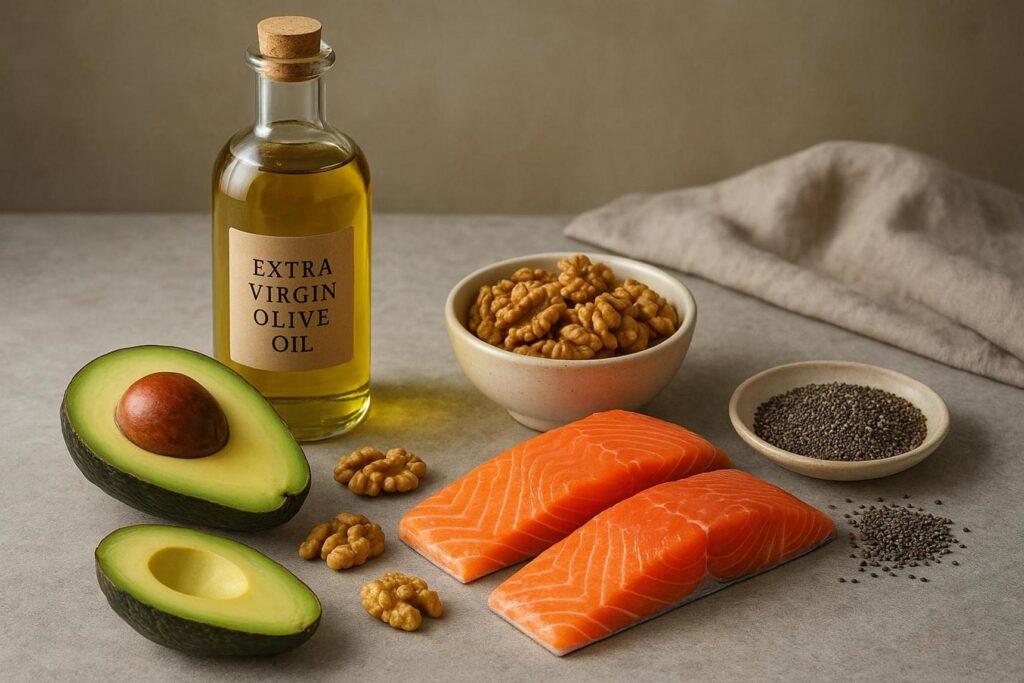
Healthy fats are needed throughout the body. They form a major part of cell membranes. Monounsaturated fats from extra-virgin olive oil and avocados, along with omega-3 fats from wild fish, help keep cell membranes flexible and support heart function. Fat also helps the body absorb vitamins A, D, E, and K.
In the brain, the omega-3 fats EPA and DHA may help protect nerve cells by calming inflammation and supporting communication between brain cells. Research on biological aging, including studies of DNA methylation clocks, suggests that reaching healthy omega-3 levels may slow some measures of aging, especially in people who began with low levels.
B Vitamins Help Turn Food Into Energy
B vitamins act as helpers for the chemical reactions that produce energy. Thiamine, riboflavin, niacin, and pantothenic acid take part in the Krebs cycle, a series of reactions that pulls energy from carbohydrates, protein, and fat. If these vitamins are too low, the cell’s energy processes may slow, leading to tiredness and trouble thinking clearly.
Vitamins B6, B9, or folate, and B12 help process homocysteine and support the creation of healthy red blood cells. These cells carry oxygen to active tissues. With age, the stomach may make less intrinsic factor, a substance needed to absorb B12. Older adults may need foods such as eggs, fish, meat, fortified nutritional yeast, or supplements that provide B12 in a form the body can use.
Calcium and Vitamin D Help Protect Bones
Bone is living tissue that is constantly broken down and rebuilt. Calcium provides the main mineral structure that gives bone strength. If the amount of calcium in the blood falls, the parathyroid glands can signal the body to take calcium from bones. Over time, this can lower bone density and raise the chance of fractures.
Vitamin D acts like a hormone that helps the intestines absorb calcium and supports bone mineral formation. Vitamin D receptors are also found in muscle and immune cells, where the vitamin affects movement control and immune activity. Keeping vitamin D at a healthy level can support balance, posture, and strength later in life.
How Much Protein, Fiber and Fluid Do Older Adults Need?
Protein Targets of About 1.0-1.2 Grams per Kilogram of Body Weight
Older guidelines often suggest 0.8 grams of protein per kilogram of body weight for all adults. Current nutrition and aging research suggests that older adults may do better with more. A healthy older adult may aim for 1.0 to 1.2 grams per kilogram each day. During an infection, after surgery, or during a long-term illness, needs may rise to about 1.2 to 1.5 grams per kilogram.
Protein does not have to be eaten at exact times, but spreading it across meals can make the daily amount easier to reach. For someone who weighs 70 kilograms, or 154 pounds, 1.0 to 1.2 grams per kilogram equals about 70 to 84 grams of protein each day. Eggs, poultry, beans, tofu, and Greek yogurt can provide the amino acids needed for muscle repair.
Fiber Goals of About 22-34 Grams per Day
Daily fiber goals are about 22 to 28 grams for older women and 28 to 34 grams for older men. Fiber adds bulk to stool and helps the intestines move waste through the body. This can reduce constipation and irritation linked with diverticular disease. Fiber also binds with bile acids in the digestive tract, which can support healthy cholesterol levels and heart health.
Meeting a fiber goal works best when meals contain many kinds of whole foods. Chia seeds in morning porridge, rye or barley instead of white flour, and lentils added to soup can raise fiber intake without much effort. These foods may support steadier blood sugar, regular bowel movements, and a healthier gut community.
Fluid Needs and the Risk of Dehydration With Age
Dehydration is a common but often missed cause of tiredness, confusion, and hospital visits in older adults. The feeling of thirst can become weaker with age because the brain’s water sensors respond less strongly. Waiting until thirst appears may mean that mild dehydration has already begun.
The kidneys also become less able to save water during hot weather or physical activity. Many adults can aim for about 1.7 to 2.5 liters of total fluid each day from water, herbal tea, broth, fruits, and vegetables. Enough fluid helps maintain blood volume, supports kidney filtering, and keeps physical energy steady.
Which Eating Patterns Support Energy and Long-Term Health?
Mediterranean-Style Eating for Heart and Brain Health
The Mediterranean eating pattern is widely used for long-term health. It centers on colorful vegetables, fresh fruit, beans, whole grains, seafood, nuts, and extra-virgin olive oil. These foods provide plant compounds, healthy fats, and substances that help control inflammation.
Research, including trials such as MedEx-UK, suggests that this eating pattern can support thinking skills, blood vessel health, and a lower risk of death from many causes. A wide range of plant compounds may reduce cell damage, protect the inner lining of blood vessels, and help deliver oxygen to the heart and brain.
Whole Grains and Low-Glycemic Foods for Steady Blood Sugar
Low-glycemic foods include steel-cut oats, wild rice, lentils, and non-starchy vegetables. They help avoid the sharp blood sugar changes that can follow high-glycemic carbohydrates. A quick rise in blood sugar can cause a large insulin response and then a fast drop. This may lead to afternoon tiredness, irritability, and strong cravings for sweets.
Low-glycemic foods create a slower rise in blood sugar after a meal. This reduces strain on the pancreas and may lower the formation of advanced glycation end-products, or AGEs. AGEs can make collagen in blood vessels and joints stiff. A slower release of energy helps maintain steady daytime strength and calmer blood sugar patterns.
How to Build a Balanced Plate for Healthy Aging
Creating a healthy plate does not require counting every gram or calorie. A simple method is to divide the plate into sections. Fill half with colorful, non-starchy vegetables and fruit. Use one quarter for lean protein. Fill the remaining quarter with high-fiber carbohydrates or starchy vegetables such as potatoes and sweet potatoes.
Add a small amount of healthy fat, such as a tablespoon of olive oil, crushed walnuts, or sliced avocado. This plate pattern supplies many protective nutrients, helps control hunger, and balances the effect of carbohydrates on blood sugar. It can support steady energy for several hours.

How Nutrition Affects Common Health Risks Linked With Age
Nutrition and Heart Disease Prevention
Heart disease remains a major health concern, and food choices can affect its progress. Long-term inflammation in the blood vessel lining, stiff arteries, and unhealthy cholesterol levels can worsen when meals contain a lot of trans fat, refined starch, and sodium. Over time, these habits may reduce artery flexibility and place extra work on the heart.
Foods that provide natural nitrates, such as leafy greens, potassium, such as squash and avocados, and soluble beta-glucan, such as oats, support the heart and blood vessels. Nitrates can become nitric oxide, a substance that relaxes blood vessels, improves blood flow, and reduces the work required of the heart. These effects may help support everyday stamina.
Nutrition and Type 2 Diabetes Management
Changes in body composition with age can raise the chance of insulin resistance. Muscle often decreases while deep abdominal fat increases. When muscle cannot remove glucose from the blood efficiently, the pancreas must release more insulin. This can lead to high insulin levels and higher blood sugar between meals.
Meals that include fiber, plant compounds, and lean protein can support better blood sugar control. Protein and fiber slow the movement of food through the stomach, which can reduce a sharp rise in glucose after eating. As the body responds to insulin more effectively, cells can use nutrients for energy and post-meal sluggishness may improve.
Nutrition and Thinking Skills
The brain uses about 20 percent of the body’s energy even though it makes up only about 2 percent of body weight. Brain tissue contains many polyunsaturated fats and uses a great deal of energy. This makes it more open to damage from fat oxidation and long-term, low-level inflammation, both of which may affect memory and planning skills.
The MIND diet combines parts of the Mediterranean and DASH diets and focuses on brain health. It includes green leafy vegetables, dark berries, nuts, and fish. These foods provide anthocyanins, lutein, and omega-3 fats. Together, they may protect small blood vessels in the brain, support the production of brain chemicals, and help preserve clear thinking in later life.
Nutrition and Bone Loss, Frailty and Falls
Loss of bone and muscle often occur together as physical ability declines. Osteopenia and osteoporosis weaken the bone structure, while sarcopenia reduces the strength and balance needed to prevent a fall. A fall that causes a hip fracture can quickly reduce a person’s ability to live independently.
Protecting bones and muscles calls for both mineral-rich foods and enough protein. Calcium, magnesium, vitamin K2, and vitamin D support the ongoing renewal of bone tissue. Combined with daily protein, these nutrients help maintain bone strength and muscle responses needed for balance and safer movement.
What Can Cause Low Energy Even When You Eat Regularly?
Too Few Calories, Protein or Fluids
Eating three meals a day does not always provide enough nourishment. Small meals, skipped food groups, or frequent processed snacks can cause mild undernutrition. If the body receives less energy than it needs, it may enter an energy-saving mode. Spontaneous movement can decrease, leaving a person tired throughout the day.
Too little protein can lead to slow muscle loss and lower physical stamina. Too little fluid can reduce the amount of blood moving through the body. The heart then has to work harder to deliver oxygen to the brain and limbs. Meals with enough calories, protein, and fluid often help explain and improve daily tiredness.
Iron, Vitamin B12 and Vitamin D Deficiency
A person may eat regularly and still lack certain vitamins or minerals that support energy. Iron is part of hemoglobin, the protein that carries oxygen through the blood. Low iron caused by poor absorption or hidden blood loss can slow cell energy production and lead to severe tiredness or shortness of breath.
Low vitamin B12 can cause large red blood cells and nerve problems. Low vitamin D may affect muscle contraction and immune activity. Blood tests for ferritin, total B12, methylmalonic acid, and 25-hydroxyvitamin D can help find these problems. Food changes or supplements can then be chosen based on the results.
When Ongoing Fatigue Needs Medical Care
If balanced meals, enough fluids, and good sleep do not improve long-lasting exhaustion, a medical checkup is needed. Fatigue can have many causes beyond diet. An underactive thyroid, reduced kidney function, heart failure, and sleep apnea can all look like ordinary tiredness linked with age.
A primary care clinician may order blood counts, metabolic tests, thyroid-stimulating hormone tests, and tests for inflammation. Finding a medical problem early helps dietary changes work alongside the right treatment instead of trying to cover up an illness that has not been diagnosed.
Which Nutrition Risks Rise With Age?
Undernutrition, Unplanned Weight Loss and Sarcopenia
For older adults, unplanned weight loss can be more harmful than carrying a small amount of extra weight. When weight falls quickly without a planned change in diet or activity, as much as half of the lost weight may come from muscle and bone instead of fat. This loss can speed sarcopenia, weakness, and physical frailty.
Poor nutrition may develop slowly because of loneliness, dental pain, trouble chewing, or limited movement that makes shopping difficult. Once muscle falls below a needed level, tasks such as getting up from a low chair, climbing stairs, or carrying groceries become harder. Less activity can then lead to even more muscle loss.
Too Much Sodium, Added Sugar and Highly Processed Food
Highly processed convenience foods can create serious health problems when they make up most of the diet. These products are made to taste very appealing and often contain large amounts of sodium, refined sweeteners, and industrial oils. They usually contain less natural fiber, antioxidants, and intact protein than whole foods.
Too much sodium can make artery walls stiffer and raise blood pressure. Added sugar can increase fat buildup in the liver and worsen insulin resistance. Relying heavily on processed products can push out more nutritious foods, leaving a person with plenty of calories but too few nutrients. This pattern can raise heart risks and reduce efficient cell energy production.
Alcohol, Supplements and Possible Medication Interactions
As liver processing and kidney filtering slow with age, the body may handle alcohol less easily. An amount that caused few problems in earlier years may now disturb sleep, irritate the stomach, reduce nutrient absorption, and raise the chance of falling at night.
Many older adults take several medicines along with personal supplements. Large supplement doses can interact with prescription drugs. For example, high amounts of vitamin E or ginkgo biloba may increase the blood-thinning action of anticoagulants. Calcium supplements may reduce the absorption of thyroid medicine or some antibiotics. Discussing supplements with a healthcare professional can help keep the routine safe.
How Can You Improve Nutrition, Energy and Healthy Aging?
Plan Regular Meals With Protein and Produce
A lasting daily routine can begin with balanced meals made from real foods. Try to include 20 to 30 grams of quality protein at each main meal, along with two generous handfuls of colorful fruits or vegetables. This simple pattern gives the body amino acids for muscle and plant compounds that help protect cells.
Preparing ingredients ahead of time can make healthy eating easier. Cook a large batch of shredded poultry, roast several trays of colorful root vegetables, and keep hard-boiled eggs or seasoned beans ready to use. These foods make it possible to prepare a nourishing meal in a few minutes, even on a busy or tiring day.
Pair Good Nutrition With Strength Training and Daily Movement
Food and exercise work together. Without regular resistance, the body has less reason to use amino acids to build and maintain muscle. On the other hand, strength training without enough protein and calories can lead to soreness, poor recovery, and ongoing tiredness.
Research shows that combining food changes with resistance exercise helps maintain the energy-making ability of muscle cells and supports flexible metabolism. Try two or three resistance sessions each week using bodyweight squats, bands, or weights. Add daily walks when possible. This routine helps send food energy into muscle, supporting strength, movement, and stamina.

Use Smaller, Nutrient-Rich Meals When Appetite Is Low
If low appetite or early fullness makes large meals difficult, try smaller meals and snacks spread throughout the day. Forcing down a large plate while already full can cause stomach discomfort and make eating feel even less appealing.
Choose foods that provide a lot of nutrition in a small amount. A smoothie made with Greek yogurt, berries, and nut butter can provide protein and healthy fat. A thick soup made with blended beans and olive oil can provide protein, fiber, and minerals without making the stomach feel overly stretched.
Ask a Dietitian About Your Personal Nutrition Needs
General food advice provides a useful starting point, but long-term health also depends on personal needs. A registered dietitian who works with older adults can adapt food choices to your medical history, kidney function, digestive comfort, and food preferences.
Personal nutrition planning can also account for genetic differences in how the body uses nutrients, changes in daily activity, and health markers such as high-sensitivity C-reactive protein and apolipoprotein B. Working with a qualified nutrition professional allows your eating plan to change as your health changes. Daily meals can then become a practical way to support strength, energy, and healthy aging.
Other Articles You May Find of Interest...
- When Mum Can’t Walk to the Market Anymore: Understanding Spinal Stenosis in Ageing Parents
- Why People Should Think About Their Brain Health in Their 30s
- Longevity vs. Anti-Aging: Why Living Longer Isn’t the Same as Looking Younger
- Understanding the Link Between Nutrition, Energy and Healthy Aging
- Chair Yoga for Seniors: A Simple Guide to Safe, Seated Exercises
- Longevity and Biohacking Technologies in 2026
- The Science of Healthy Aging: Where Nutraceuticals Fit In