




Your Health Magazine Contributor
4201 Northview Drive
Suite 102
Bowie, MD 20716
More Infertility Articles
How Egg Donation Helps Families Grow Through IVF
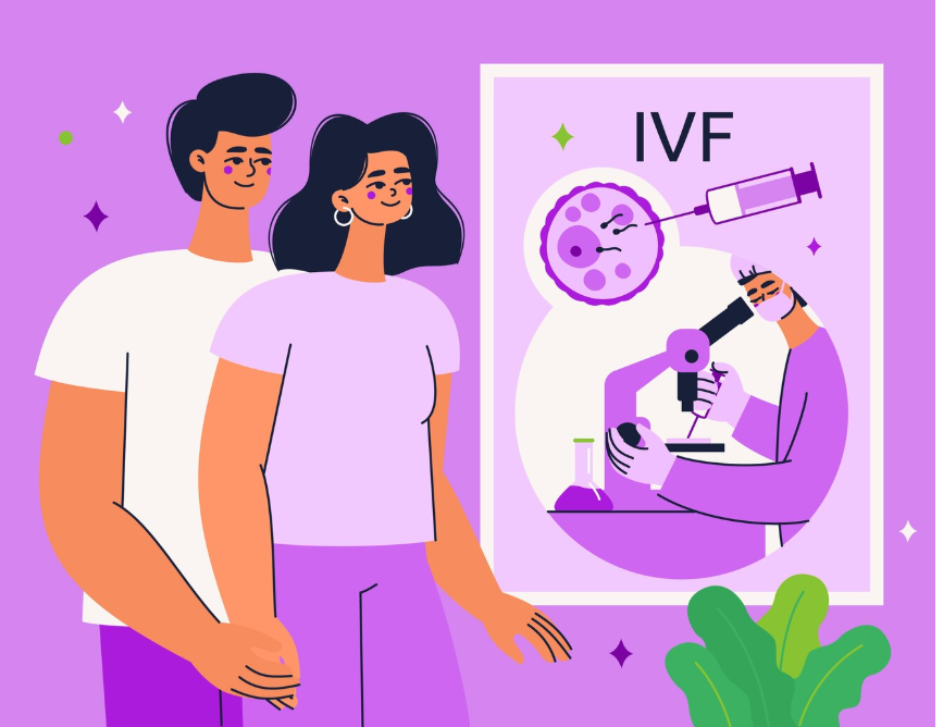
Creating a family doesn’t always go the way you planned. You might have attempted to conceive over a long period, undergone unsuccessful IVF cycles, or been informed that your eggs would not lead to pregnancy. Such news can change your plans and leave you weighing options you had never considered.
However, another path to parenthood is through donor-egg IVF. Using eggs provided by a carefully vetted donor, your fertility team can develop embryos in a laboratory and transfer an embryo into your uterus when the time is right.
Donor eggs can also be used in treatment with a gestational carrier if you are unable or unwilling to carry a pregnancy. Ultimately, the options available to you will depend on your medical history and family goals.
Understanding each stage can help you ask useful questions and make informed decisions with confidence. Here is how egg donation can help families grow through IVF, from donor selection to embryo transfer.
1. Donor Eggs Offer New Options for Parenthood
Egg donation may be an option when your own eggs are unlikely to lead to a successful pregnancy. Your fertility specialist can discuss it if you have a limited ovarian reserve, low egg quality, premature ovarian insufficiency, or previous treatment that has impacted your ovaries. The failure of IVF cycles can also make you consider whether donor eggs would make a difference to your chances.
Age can affect the number of eggs available and their likelihood of producing chromosomally normal embryos. The decision can also be affected by some genetic issues and medical conditions. Donor eggs never guarantee pregnancy, but they will provide you with an alternative source of eggs when your own are inappropriate. The advantages, possible limitations, and possibilities of your situation will be discussed with your doctor.
Your egg donor provides the eggs, while sperm comes from your partner or a sperm donor. Pregnancy may be carried by you, provided you are healthy. Some individuals and couples use donor eggs with a gestational carrier. A consultation helps you understand which route is medically appropriate and how each choice may affect your family plans.
2. Donor Checks Help Assess Suitability

Screening is an important part of an egg donation program. The clinic checks her medical and family history and examines her health before admitting her as a donor. Fertility tests can include blood tests, ovarian reserve tests, and pelvic ultrasound. Such checks assist the specialists in determining whether donation is medically appropriate and whether the donor qualifies for the program.
Genetic carrier screening helps to detect some inherited conditions that can be transferred by a donor to a child. Donor assessment also includes testing for infectious diseases. In addition, certain programs involve psychological consultation to enable the donors to think about the personal consequences of donation. Screening helps to minimize some known risks, yet not all conditions can be identified, and screening cannot be used to guarantee the health of a future child.
When you check donor options, inquire as to what screening is complete and what information is available. You may want to understand the donor’s medical history, genetic test results, and profile details. Your fertility specialist will discuss the results and whether further testing might be suitable for you or your partner. Clear answers support an informed decision.
3. Frozen Donor Eggs Add Treatment Flexibility
An egg bank gives you access to donor eggs already collected and preserved for treatment. Planning can be easier because you do not need to coordinate your IVF cycle with a donor’s stimulation and egg collection. You can discuss available donor profiles with your clinic and plan treatment around your medical needs and schedule.
Egg banks commonly use vitrification, a rapid-freezing technique that helps preserve mature eggs. When you are ready, the eggs are warmed in a laboratory and assessed by embryologists. Suitable eggs are prepared for fertilization. Not every egg will survive warming or fertilize, so your clinic should explain the number available and the outcomes you can reasonably expect.
You can review available profiles and discuss characteristics with your fertility team. An egg bank can offer more choice and scheduling flexibility than a fresh donor cycle, although availability and suitability depend on individual circumstances.
4. IVF Turns Donated Eggs into Embryos
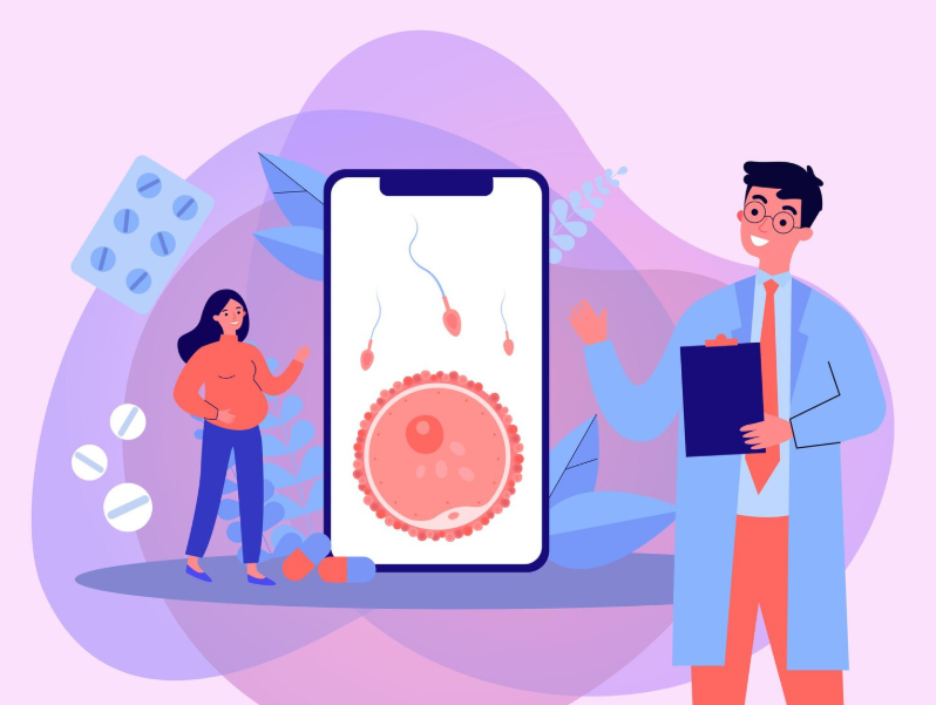
After donor eggs are warmed, the laboratory team prepares them for fertilization. Sperm may come from your partner or a sperm donor. Depending on sperm quality and your clinical history, the embryology team may use conventional insemination or intracytoplasmic sperm injection (ICSI). ICSI places a single sperm directly into an egg. Your specialist can explain the recommended method.
The laboratory monitors fertilized eggs as they develop into embryos. Embryologists assess their development and identify embryos that may be suitable for transfer or freezing. Some eggs may not fertilize, and some embryos may stop developing before transfer. Your clinic should discuss these possibilities so you understand the factors that can affect treatment outcomes.
Your care team may prescribe medication to prepare the uterine lining for embryo transfer. When the timing is right, a clinician places an embryo into your uterus using a thin catheter. The procedure usually does not require surgery or general anesthesia. You will take a pregnancy test at the time advised by your clinic to determine whether implantation has led to pregnancy.
5. Personalized Care Guides Your Family Choices
Donor eggs can raise questions beyond the medical procedure. You may think about the genetic connection between the donor and child, how to discuss donor conception, or what information your child may want later. You and your partner may have different feelings. A qualified fertility counselor can help you explore these subjects before making a decision.
A fertility team can guide you through donor selection, treatment planning, costs, and timelines. Ask who will coordinate your care and whom to contact with questions. An egg bank provides information about its donor program and frozen egg options; your treating clinic advises on medical care. Understanding each provider’s role helps you find support.
Conclusion
Egg donation can help you pursue parenthood when using your own eggs is not suitable. Donor screening, frozen egg banking, laboratory fertilization, and embryo transfer each play a part. The process has limits, and no stage guarantees pregnancy, so clear medical guidance matters.
Start with a consultation with a qualified fertility specialist. Discuss your medical history, donor preferences, screening information, treatment costs, and available support. Ask how frozen donor eggs fit your plan. Reliable information can help you decide whether donor-egg IVF is the right next step for your family.
Other Articles You May Find of Interest...
- How Egg Donation Helps Families Grow Through IVF
- Is Artificial Intelligence Changing the Future of Fertility Care and Embryo Selection?
- What Tests Are Done Before Starting Fertility Treatment?
- Can Transgender Women Get Pregnant?
- What to Consider When Choosing a Fertility Awareness App
- When is ICSI Recommended for Male Infertility? Understanding the Common Reasons
- IVF Treatment in Dubai: A Guide to Your Fertility Journey





