Your Health Magazine Contributor
4201 Northview Drive
Suite 102
Bowie, MD 20716
More Legal and Health Articles
Drowsy Driving Crashes in Florida: When It’s Not Just Lack of Sleep
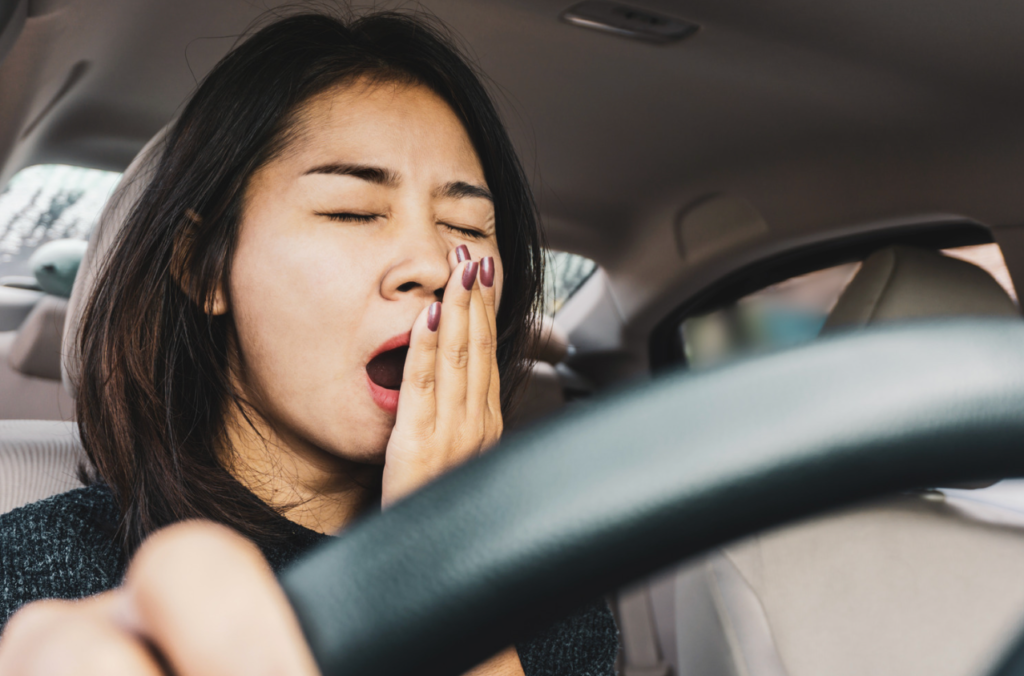
Most people picture a drowsy driving crash as a tired commuter who stayed up too late. That picture misses a large group of drivers. Untreated sleep apnea, low blood sugar from diabetes, chronic fatigue syndrome, and sedating medications all put drivers to sleep or cloud their thinking behind the wheel, even after a full night in bed.
Florida’s own crash records reflect this. The Florida Department of Highway Safety and Motor Vehicles (FLHSMV) reports these crashes under a single category, “drowsy or ill driving,” in its annual crash facts. This guide covers the health conditions behind drowsy driving, the warning signs, and what Florida law says when a medical condition causes a crash.
How Common Are Drowsy Driving Crashes in Florida?
Florida records thousands of drowsy driving crashes each year, and the real number runs higher. FLHSMV estimated that 3,991 reported crashes in Florida involved drowsy drivers in the year before its 2022 campaign. In 2019, the agency counted 3,700 drowsy driving crashes, with 224 injuries and 12 deaths.
Police reports undercount these crashes because drowsiness leaves no blood test behind. Research from the AAA Foundation for Traffic Safety, cited by AAA in FLHSMV’s 2023 campaign, estimates that drowsy driving is involved in 6% to 11% of all police-reported crashes and 16% to 21% of fatal crashes.
Florida takes the issue seriously enough to put it in statute. The Ronshay Dugans Act designates the first week of September as Drowsy Driving Prevention Week, in memory of an 8-year-old girl killed in 2008 when a cement truck driver fell asleep and hit her school bus.
Why Do Some People Get Drowsy Behind the Wheel Even After Sleeping?
Sleep quantity is only half the story. Sleep quality, blood sugar, medications and chronic illness all decide how alert a driver stays. The CDC lists drivers with untreated sleep disorders and drivers taking medicines that cause sleepiness among the groups at greater risk of drowsy driving crashes.
The CDC estimates that more than 70 million Americans have a sleep disorder. Many don’t know it. A driver with an undiagnosed condition believes they slept seven or eight hours, so the warning signs on the road catch them by surprise.
How Does Sleep Apnea Cause Drowsy Driving Crashes?
Obstructive sleep apnea (OSA) causes repeated pauses in breathing during sleep, which breaks sleep into fragments and drops blood oxygen. The person wakes up unrefreshed and fights sleepiness all day, often without connecting it to the nights.
The crash risk is well documented:
- General drivers. A 2009 meta-analysis in the Journal of Clinical Sleep Medicine found that drivers with OSA crash at rates between 1.21 and 4.89 times higher than comparable drivers without it, and concluded that untreated sleep apnea is a significant contributor to motor vehicle crashes.
- Truck drivers. A 2016 study in the journal Sleep followed truck drivers at a large carrier. Drivers with OSA who refused mandated treatment had a fivefold higher rate of serious preventable crashes. Drivers who stuck with treatment crashed no more often than drivers without OSA.
That second finding matters most for patients. Treatment, typically a CPAP machine, brings crash risk back in line with healthy drivers.
Warning signs of sleep apnea: loud snoring, a partner noticing you stop breathing at night, morning headaches, waking with a dry mouth, and dozing off during meetings or TV. The CDC found that drivers who snore were more likely to report falling asleep at the wheel.
How Does Diabetes Affect Alertness While Driving?
Diabetes affects driving mainly through hypoglycemia, or low blood sugar. When glucose drops too low, the brain loses fuel, and drivers experience confusion, blurred vision, slowed reactions and, in severe cases, loss of consciousness.
The risk is concentrated in drivers who use insulin. A 2009 study in Diabetes Care followed 452 drivers with type 1 diabetes for a year:
- 52% reported at least one hypoglycemia-related driving mishap
- 5% reported six or more
- Mishaps included arriving at a destination with no memory of the drive and hitting something with the vehicle
Several studies put the crash risk for drivers with type 1 diabetes at about twice that of drivers without diabetes. The same research found that half of the drivers with type 1 diabetes had never discussed diabetes and driving with their doctor.
Pro tip: The study authors recommend checking blood sugar before every drive, not starting a drive below about 90 mg/dL, keeping fast-acting carbohydrates in the car, and pulling over at the first sign of low blood sugar. Don’t resume driving until glucose and alertness fully recover.
Does Chronic Fatigue Syndrome Make Driving Dangerous?
Chronic fatigue syndrome, also called myalgic encephalomyelitis (ME/CFS), affects about 1.3% of U.S. adults, according to CDC survey data from 2021 and 2022. Its fatigue does not improve with rest, which separates it from ordinary tiredness.
Two ME/CFS symptoms matter on the road. The Social Security Administration’s ruling on the condition lists cognitive impairment, often called brain fog, and orthostatic intolerance, which includes lightheadedness, dizziness and increased fatigue with prolonged standing. Brain fog hits hardest on long drives that demand sustained concentration.
ME/CFS also brings post-exertional malaise, a crash in symptoms after effort. A driver who pushes through a long day of errands faces a heavier slump on the drive home.
What Other Health Conditions Cause Drowsy Driving?
Several other conditions and treatments raise the risk:
- Narcolepsy and other sleep disorders. These cause sudden, irresistible sleepiness during the day.
- Sedating medications. Antihistamines, some antidepressants, sleep aids, muscle relaxants and opioid pain relievers all list drowsiness as a side effect.
- Shift work. The CDC lists drivers who work night shifts or long shifts among those at higher risk.
- Depression and chronic pain. Both disrupt sleep quality and often involve sedating medications.
Check the label on every prescription and over-the-counter medicine for warnings about driving or operating machinery, and ask your pharmacist about combinations.
What Are the Warning Signs You’re Too Drowsy to Drive?
Pull over when you notice any of these signs from the CDC:
- Yawning or blinking frequently
- Trouble remembering the last few miles you drove
- Missing your exit
- Drifting from your lane
- Hitting a rumble strip on the side of the road
Cold air and loud music don’t fix drowsiness. A 15- to 20-minute nap at a safe stop, or switching drivers, does.
Who Is Responsible When a Medical Condition Causes a Crash in Florida?
Florida law protects a driver who suffers an unexpected medical event, but the protection is narrow. Under a rule dating to the Florida Supreme Court’s 1953 decision in Baker v. Hausman, a driver is not negligent if they lose consciousness or capacity from an unforeseen cause.
To use this defense, the at-fault driver must prove four things: they lost consciousness or capacity, the loss happened before the negligent driving, it came on suddenly, and it was neither foreseen nor foreseeable.
Foreseeability decides most of these cases. A driver with a known seizure disorder who skipped medication, a driver with diagnosed sleep apnea who stopped using CPAP, or a driver on insulin who skipped a blood sugar check had warning. Those crashes are often foreseeable, and the driver remains responsible.
Proving foreseeability may require examining the at-fault driver’s medical history, including diagnoses, prescriptions, treatment compliance, and any warnings received about driving. Medical records and expert evaluations can help determine whether the driver knew or reasonably should have known that their condition could impair their ability to operate a vehicle safely.
For someone injured in a Boca Raton car accident involving a suspected medical episode, understanding the circumstances of the driver’s condition can be important when evaluating liability. A personal injury attorney can help review available evidence, explain applicable Florida law, and assess the injured person’s legal options.
Florida’s deadline to file most negligence lawsuits is two years from the crash, under the state’s 2023 tort reform law. Medical records take time to obtain, so contact a lawyer early.
How Do You Protect Yourself If You Have One of These Conditions?
If you live with a condition that affects alertness, these steps reduce your risk on Florida roads:
- Get evaluated. Ask your doctor about a sleep study if you snore or wake unrefreshed.
- Stick with treatment. CPAP use, consistent glucose monitoring and correct medication timing all lower crash risk.
- Ask your doctor directly about driving. Many patients never raise it.
- Plan long drives. Drive during your most alert hours, take breaks every two hours, and share the driving.
- Know when to hand over the keys. On a bad symptom day, use a rideshare or ask a family member to drive.
Florida Drowsy Driving
Drowsy driving in Florida is not only a sleep problem. Sleep apnea, diabetes, chronic fatigue syndrome and sedating medications all impair drivers who believe they’re rested, and Florida’s crash data reports drowsy and ill drivers together. Treatment brings risk down sharply. When a crash does happen, Florida’s medical-emergency defense protects only drivers with no warning, and the at-fault driver’s medical history decides who pays.
Other Articles You May Find of Interest...
- Key Questions Ocala Residents Should Ask Before Accepting a Quick Injury Settlement
- Why a Fall in a Big-Box Store Can Cause Lingering Injuries Without a Broken Bone
- Dog Bites in Ontario: How the Law Assigns Responsibility
- How Long Do You Have to File an Injury Claim in Farmington, Maine?
- How St. Petersburg Families Can Determine Whether a Medical Injury Was Preventable
- How Can a Claim Be Worth $100,000 on Paper but Settle for $20,000?
- Mental Health and Personal Injury: How an Injury Lawyer Can Help You Protect Your Rights