
Your Health Magazine Contributor
4201 Northview Drive
Suite 102
Bowie, MD 20716
More Men's Health Articles
Brotox, Decoded: A Straight-Talking Guide to Botox for Men
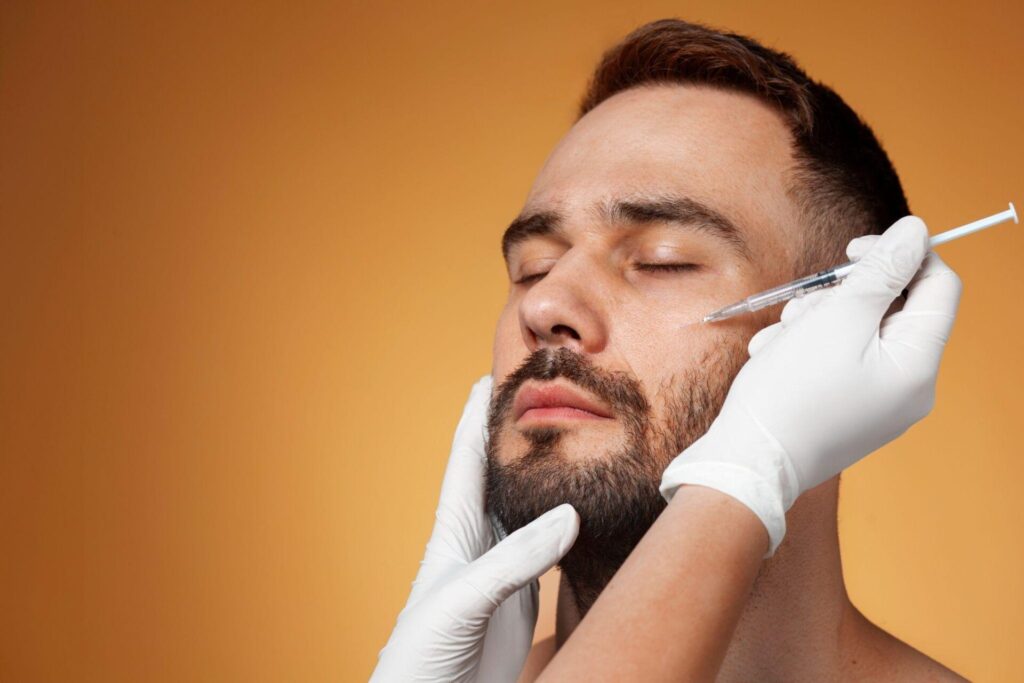
Picture a video call, a bright overhead light, and your own face in the corner of the screen. You did not feel tired or irritated, but the lines between your brows say otherwise.
That small moment of “is that really what I look like?” is a big part of why Botox is no longer a topic reserved for one crowd. Here is a straight-talking guide to what it does, what it does not do, and how to approach it with confidence.
What Is Botox and How Does It Work?
Botox is a purified form of botulinum toxin type A that temporarily relaxes targeted muscles. Many wrinkles form from repeated expressions like frowning, squinting, and raising your brows, so relaxing those muscles softens the lines that sit above them.
According to Harvard Health Publishing, botulinum toxin works by attaching to nerve endings in the muscle and blocking the release of a chemical messenger called acetylcholine. That interrupts the signal telling the muscle to contract, so the muscle weakens and the skin above it smooths out. The effect is temporary, and it fades as the muscle gradually regains movement.
Why Are More Men Trying Botox?
If the topic keeps surfacing in group chats and grooming conversations, you are not imagining it. There is a growing conversation about why more men are getting Botox, and the reasons tend to be practical rather than vain.
Looking as Rested as You Feel
Frown lines between the brows can make a relaxed person look stressed or annoyed. Many men say they want their face to match their mood, not send the wrong signal in a meeting.
Less Stigma Around Self-Care
Skincare, sunscreen, and grooming have become everyday topics for men. Injectables are following the same path from private to mainstream.
Convenience
Harvard Health notes that the procedure takes less than 30 minutes, with results taking effect within about a week. That suits a busy schedule.
Which Areas Do Men Usually Treat?
Botox is most often used on the upper face, where expression lines are easiest to see.
Frown Lines Between the Brows
These vertical lines, sometimes called “elevens,” come from furrowing your brow. They are one of the most common treatment areas.
Forehead Lines
Horizontal lines across the forehead form when you raise your eyebrows. Treatment needs a careful hand so the brows do not feel heavy or look flat.
Crow’s Feet
The lines fanning out from the corners of the eyes come from squinting and smiling. Softening them can make the eye area look less tired without erasing your expressions.
Facial anatomy varies from person to person, and men often have stronger facial muscles and a different brow shape than women. A good provider tailors placement and dose to you rather than using a one-size-fits-all approach.
What Should You Expect From Treatment and Results?
Expect a short appointment with a series of small injections into specific muscles. Results do not appear instantly. They build over several days and typically settle within about a week. Most people find the effect lasts roughly three to six months before the muscles regain movement, at which point lines gradually return and treatment can be repeated if you choose.
Minor redness or bruising at the injection sites can happen and usually resolves on its own. For most men, the goal is a natural look: fewer harsh lines, but still fully expressive.
How Do You Choose a Safe Botox Provider?
Choose a licensed, trained provider who uses an FDA-approved product from a reliable source. This matters more than price or convenience. The Centers for Disease Control and Prevention advises people to ask whether the provider has a valid healthcare license and is trained to give the injections, and whether the product was purchased from an authorized source of FDA-approved botulinum toxin. Its guidance is simple: if you are in doubt, do not get the injections and look for another properly licensed provider.
Seek medical care right away if you notice blurred or double vision, drooping eyelids, trouble swallowing or breathing, or widespread muscle weakness after an injection.
Frequently Asked Questions
Will Botox Make Me Look Frozen?
Not if it is done well. A frozen look usually comes from too much product or poor placement. Tell your provider you want to keep natural movement, and start conservatively.
How Long Does Botox Last?
Most people see results last about three to six months. After that, muscle activity returns and lines gradually reappear.
Is There a Right Age to Start?
There is no single answer. Botox is for adults, and the right timing depends on your lines, your goals, and a provider’s assessment of your face.
Do I Have to Keep Getting It Done?
No. Because the effects are temporary, you can stop at any time, and your muscles will return to their usual activity.
What Else Helps With Lines Besides Botox?
Daily sunscreen, good sleep, moisturizing, and avoiding smoking all support healthier skin. Botox targets expression lines specifically and does not replace those basics.
Your First Consultation Cheat Sheet
Walking into a consultation with a few good questions makes the whole experience calmer. Bring this list with you:
- Who will perform the injections, and what are their training and license?
- Which product will you use, and where does it come from?
- Which areas do you recommend for my face, and which would you leave alone?
- What should my results look like at one week and at three months?
- What side effects are common, and who do I call if something feels off?
Ask them all, take notes, and do not feel rushed. A provider worth booking will be glad you asked.
Other Articles You May Find of Interest...
- Brotox, Decoded: A Straight-Talking Guide to Botox for Men
- Why Some Men’s Health Conditions Require More Than Conventional Medical Treatment
- 5 Telehealth Services Offering Enclomiphene Online for Men Concerned About Testosterone and Fertility
- The Role of Finasteride in Prostate Health and Hair Retention
- Losing Weight on GLP-1s? How Men Can Protect Their Muscle
- Changed Your Mind About Having Children? What to Consider Before Reversing a Vasectomy
- Seven Questions Men Should Ask Before Starting Testosterone Therapy