Your Health Magazine Contributor
4201 Northview Drive
Suite 102
Bowie, MD 20716
More Senior Health Articles
How Memory Care Helps Families and Their Loved Ones
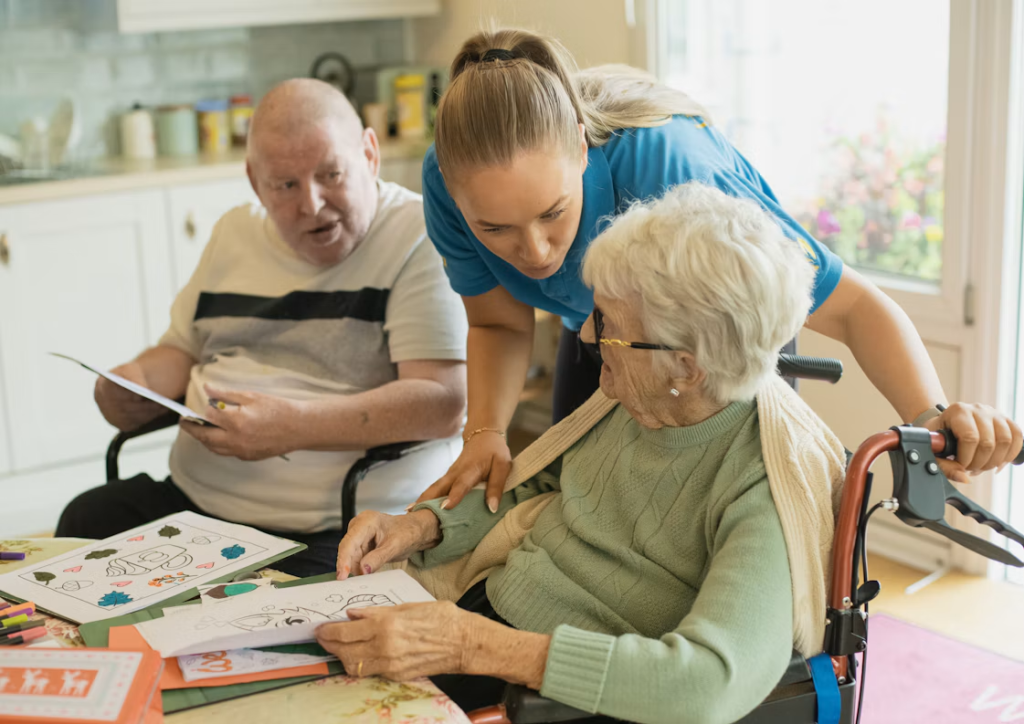
Caring for a loved one with dementia or Alzheimer’s can be challenging. As memory loss progresses, everyday tasks may become more difficult, and your loved one may need more help than you can provide at home. It can be hard to know when it’s time to consider additional care, especially when you want to make sure your loved one feels safe, comfortable, and supported.
Memory care provides specialized support for seniors experiencing memory loss. It offers a safe environment, structured routines, and trained caregivers who understand the challenges that come with dementia. While memory care helps seniors, it also provides families with peace of mind and support during a difficult time.
Here are some of the ways memory care can make a difference for both seniors and their families.
1. Provides a Safe and Comfortable Environment
Safety is one of the biggest concerns for families caring for someone with dementia. Memory loss can cause confusion, wandering, and difficulty recognizing potentially dangerous situations.
Memory care communities are designed with these challenges in mind. They often include secure areas, easy-to-navigate spaces, and safety features that help reduce the risk of accidents.
Having a safe place to live allows seniors to move around and participate in daily activities while receiving the supervision they need.
2. Offers Care From Trained Staff
Caring for someone with dementia requires patience, understanding, and special knowledge. Memory care staff receive training to help them understand how dementia affects behavior, communication, and daily routines.
They know how to respond when a resident becomes confused, frustrated, or anxious. Instead of rushing or becoming frustrated, trained caregivers use calming approaches and offer reassurance.
This type of support can help seniors feel more comfortable and understood, even when communicating becomes difficult.
3. Creates Consistent Daily Routines
Routine can make a big difference for someone experiencing memory loss. When days feel predictable, seniors may feel less confused or overwhelmed.
Memory care communities provide structured daily schedules that include meals, activities, rest, and personal care. Having familiar routines can help residents feel more comfortable and give them a sense of stability.
Caregivers also provide reminders and assistance with everyday tasks such as getting dressed, bathing, and taking medications.
4. Encourages Social Interaction and Activities
Staying socially active is important for seniors, especially those experiencing dementia. Spending time with others can help reduce feelings of loneliness and give residents something enjoyable to look forward to.
Memory care communities often offer activities designed for different abilities and interests. These might include music, crafts, simple games, light exercise, and group activities.
Even small moments of connection, such as sharing a meal or listening to a favorite song, can bring comfort and happiness.
5. Gives Family Members Time to Be Family
One of the hardest parts of caring for a loved one with dementia is feeling like you are always responsible for their care. Family members may spend so much time managing medications, appointments, meals, and daily needs that they have little time to simply enjoy being together.
Memory care provides professional support with these responsibilities. This allows family members to spend more meaningful time with their loved one without feeling like they have to manage every part of their care.
Instead of focusing on daily caregiving tasks, families can focus on conversations, visits, and making memories together.
6. Provides Families With Peace of Mind
It’s natural to worry about an aging parent or loved one, especially when their memory and independence begin to change. You may wonder if they are eating enough, remembering their medications, or staying safe when you aren’t around.
Memory care provides consistent supervision and assistance throughout the day. Knowing that trained caregivers are available to help can take some of that worry off your shoulders.
It also gives families someone to turn to when questions or new challenges come up.
7. Helps Seniors Maintain Their Quality of Life
Although dementia changes many parts of a person’s life, it doesn’t take away their need for happiness, friendship, comfort, and connection.
Memory care focuses on helping seniors enjoy each day in ways that work for their abilities. Caregivers can adjust activities, provide encouragement, and help residents stay involved without making them feel pressured or overwhelmed.
The goal isn’t just to provide assistance. It’s to help each resident feel valued, respected, and cared for.
Finding the Right Memory Care Support
Deciding to move a loved one into memory care is never an easy choice. Many families feel guilty or worry that they aren’t doing enough. However, asking for help doesn’t mean you are giving up on your loved one. It means making sure they have the care and attention they need.
If you’re exploring memory care Logan Utah options, take time to visit communities, meet the caregivers, and ask questions about daily routines, activities, safety, and personalized care.
The right senior care Blackfoot ID families trust can make life better for both seniors and their families. With compassionate caregivers and a supportive environment, your loved one can receive the assistance they need while your family gains more time to focus on what matters most: spending time together.
Other Articles You May Find of Interest...
- How Memory Care Helps Families and Their Loved Ones
- CCRC vs Assisted Living: Key Cost Differences
- A Practical Guide To Safer, More Personal Home Care Planning
- What Can You Do to Help Your Elderly Loved Ones
- How Much Does a Live-In Caregiver Cost in 2026? Real Rates, Explained
- Is Senior Home Care in Reston Right for Your Loved One?
- How To Talk With a Loved One About Needing Help