Your Health Magazine Contributor
4201 Northview Drive
Suite 102
Bowie, MD 20716
More Medication Articles
How Can a Drug Be Approved for Millions of People and Still Get Recalled?
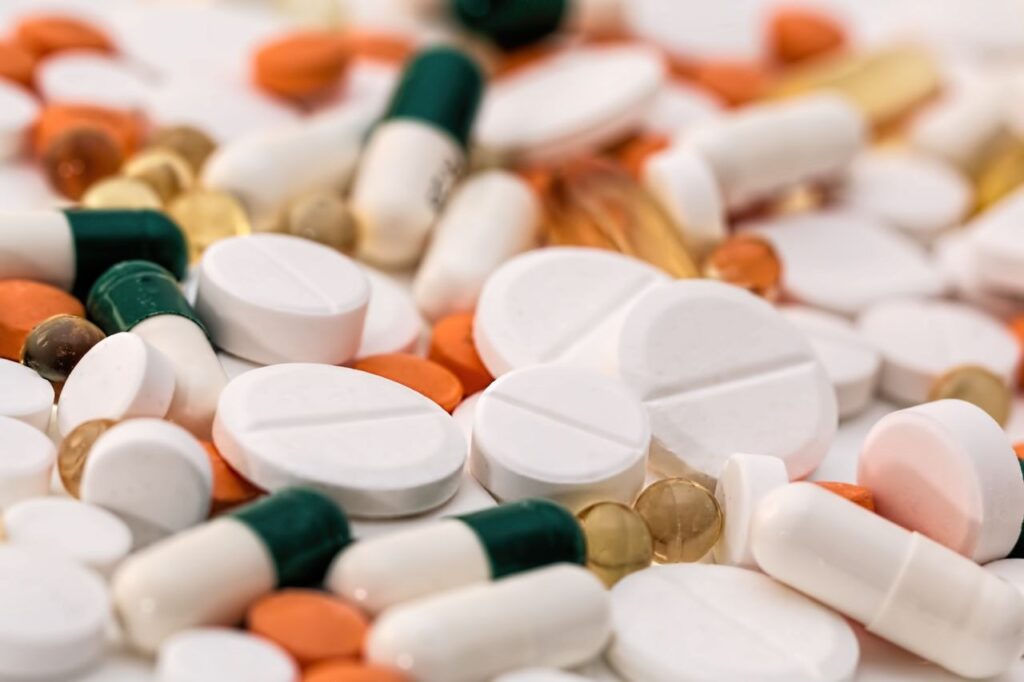
It feels like a contradiction. A medication goes through years of research, rounds of clinical trials, and a careful review by regulators. It gets approved, pharmacies stock it, and doctors prescribe it to huge numbers of patients. Then, one day, it’s suddenly pulled.
For people taking that drug, the news can be genuinely unsettling. If it was safe enough to approve, how could it suddenly become such a problem? Did someone simply miss something, or did something change along the way? Those are fair questions.
The answer is usually a mix of science, scale, and manufacturing. No approval process, however careful, can predict everything, and real-world use often reveals things trials couldn’t. That’s the strange path behind many recalled prescription drugs, from promising approval to an unexpected warning years later.
Why Clinical Trials Can’t Reveal Every Possible Risk
Clinical trials are designed to answer key questions about whether a drug works and whether it’s reasonably safe. But they’re limited in size and scope. That’s a real, built-in limitation. Many trials involve hundreds or a few thousand participants, not millions of people.
That matters when side effects are rare. If a serious reaction affects one person in ten thousand, a trial with three thousand participants might never see it. Once millions of people take the drug, even very rare problems can start showing up repeatedly.
Trials also have limits on time and participants. They may last months rather than years, and they often exclude people with complex health conditions, older adults on many medications, or pregnant patients. Real-world patients are far more varied than any carefully selected study group.
What Happens After a Drug Reaches the Market
Approval isn’t the end of the safety story. Once a drug is on the market, the FDA continues monitoring it through post-market surveillance. Doctors, pharmacists, patients, and manufacturers can report suspected side effects through the agency’s adverse event reporting systems. The watching never stops.
Those reports can reveal patterns. A single report may not prove anything, but a cluster of similar problems may prompt closer investigation. Regulators may ask for additional studies, review new data, or require manufacturers to monitor certain risks more carefully. Patterns tell stories.
Manufacturing gets watched very closely too. The FDA inspects production facilities, and companies are expected to follow strict, detailed quality standards. Problems discovered during inspections, testing, or routine quality checks can reveal issues that have nothing to do with the drug’s original design.
Why Some Problems Take Years to Discover
Some side effects take time to develop. A drug may seem perfectly safe in the short term, but long-term use could gradually increase the risk of certain complications. Those effects may not appear until patients have taken it for years. Time reveals what trials can’t.
Uncommon complications can be surprisingly hard to connect to a medication. If a side effect looks like a condition that happens naturally in the population, it may take very large studies to show that the drug is actually increasing the risk.
Quality-control problems can also hide for a while. Contamination or inconsistent manufacturing may affect only certain batches or emerge after changes in suppliers or production methods. In some well-known cases, impurities were discovered in widely used medications years after they first hit the market.
What Actually Triggers a Drug Recall
Recalls happen for several different reasons. Some involve contamination, such as impurities or foreign particles. Others involve labeling errors, like the wrong strength on a package. Manufacturing defects, including pills that don’t dissolve properly, can also lead to recalls. Small mistakes, big consequences.
Serious safety concerns can trigger action too. If new evidence shows the risks of a drug outweigh its benefits, a company may withdraw it or regulators may push for removal. The FDA classifies recalls by how serious the potential health risk really is.
Not every safety update is a recall. Often, new information leads to updated warnings, new dosing guidance, or added precautions on the label instead. Those changes help doctors and patients make informed decisions while the medication stays available. That’s often the more common outcome.
Conclusion
A drug can be approved for millions of people and still get recalled because no approval process can possibly see everything in advance. Clinical trials have limits, and real-world use by millions can reveal rare side effects, long-term risks, and manufacturing problems.
That’s why drug safety monitoring continues long after approval. Adverse event reports, additional studies, and manufacturing inspections all help regulators and manufacturers spot issues that weren’t visible at first, sometimes years after a medication reaches pharmacy shelves. The work never really stops.
If you hear about a recall or safety concern involving a medication you take, don’t stop it abruptly on your own. Some drugs can cause serious problems if discontinued suddenly. Talking with a doctor or pharmacist is the safest way to decide what to do next.
Other Articles You May Find of Interest...
- How Can a Drug Be Approved for Millions of People and Still Get Recalled?
- Single-Dose vs Multiple-Dose Vials: How to Read the Label
- Before Your First Compounded Prescription: Five Questions Worth Asking
- Medication Safety for Aging Parents: A Family Guide to Preventing Missed Doses and Dangerous Mix Ups
- Identifying Pink-and-White Benadryl Capsules
- Anti-Inflammatory Medicines for Trigger Finger: How Much Can They Help?
- What Fluticasone Propionate Cream Is Used For