More Supplements Articles
Caffeine Tablets for Staying Awake: Benefits and Risks
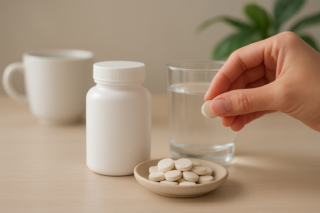
By Your Health Magazine Health Information Team
Caffeine tablets can temporarily help you stay awake and feel more mentally alert, but they cannot replace sleep or fully reverse the effects of sleep deprivation. Many over-the-counter alertness tablets contain 200 milligrams of caffeine—roughly the amount in a strong cup of coffee—so it is easy to consume more caffeine than intended if you also drink coffee, tea, soda, or energy drinks.
How Caffeine Tablets Work
Caffeine stimulates the central nervous system and blocks adenosine, a chemical involved in feelings of sleepiness. After taking caffeine, you may feel more awake, less fatigued, and better able to concentrate. Blood levels generally peak within about an hour, and noticeable effects may continue for four to six hours, although timing varies considerably among individuals.
Caffeine pills stay awake products are most appropriate for occasional drowsiness, such as during a temporary schedule disruption. A current DailyMed caffeine tablet label identifies caffeine as an alertness aid and specifically states that it is for occasional use—not as a substitute for sleep.
Tablets Compared With Coffee
| Feature | Caffeine tablets | Coffee |
|---|---|---|
| Caffeine amount | Often 100 to 200 mg per tablet or caplet; check the label | Varies by bean, brewing method, serving size, and brand |
| Speed of use | Quick and convenient | Must be prepared or purchased and consumed |
| Hydration | Should be taken with water | Provides fluid |
| Overuse risk | A concentrated dose makes accidental stacking easier | Usually consumed more gradually, but large servings can still contain substantial caffeine |
| Other ingredients | May contain fillers or additional supplement ingredients | May contain sugar, cream, or flavored syrups |
The body handles naturally occurring and added caffeine similarly. The major difference is dose control: a tablet provides a concentrated amount that can be swallowed in seconds, while a beverage is generally consumed over time.
Benefits and Limitations
Possible short-term benefits of caffeine tablets to stay awake include:
- Increased wakefulness during temporary fatigue
- Improved attention and concentration for a limited period
- A clearly labeled caffeine amount when the product provides complete information
- Convenience without the sugar or calories found in some caffeinated drinks
However, feeling more alert does not necessarily mean that judgment, coordination, and reaction time have returned to normal. Severe sleep deprivation can still cause brief “microsleeps” even after caffeine. The National Highway Traffic Safety Administration’s guidance on drowsy driving warns that caffeinated drinks alone may not prevent these dangerous lapses. If you are struggling to keep your eyes open, do not rely on a caffeine tablet to make driving or operating machinery safe.
Side Effects and Health Risks
Common caffeine side effects include restlessness, shakiness, anxiety, irritability, headache, nausea, heartburn, frequent urination, difficulty sleeping, and a fast or pounding heartbeat. Taking caffeine late in the day may create a cycle in which disrupted sleep leads to greater caffeine use the following day.
The FDA’s caffeine safety information notes that up to 400 milligrams per day is not generally associated with negative effects for most adults. This is not a recommended target or a guarantee of safety. Some people develop symptoms at much lower amounts, and a single 200-milligram tablet already represents half of that daily level.
Regular use can also lead to tolerance, meaning the same amount feels less effective. Suddenly reducing frequent caffeine intake may cause withdrawal symptoms such as headache, fatigue, irritability, nausea, and trouble concentrating.
How to Reduce the Risk of Taking Too Much
- Read the entire label. Confirm the amount of caffeine in each tablet and whether the product contains other stimulants.
- Count every source. Include coffee, tea, soda, energy drinks, chocolate, pre-workout supplements, and caffeine-containing pain or cold medicines.
- Follow the product directions. Do not take tablets more frequently or in larger amounts than the specific label instructs.
- Avoid combining stimulants. Mixing caffeine with stimulant medications or multiple energy products may increase cardiovascular and nervous-system effects.
- Plan for sleep. Because caffeine can remain active for hours, avoid taking it close to your intended bedtime.
- Avoid pure powdered or highly concentrated caffeine. Small measuring errors can produce dangerously large doses.
- Store tablets securely. Keep them in their original container and away from children.
Check with a healthcare professional before using caffeine tablets if you are pregnant, breastfeeding, younger than 18, sensitive to caffeine, or have anxiety, insomnia, migraines, acid reflux, uncontrolled high blood pressure, or an abnormal heart rhythm. During pregnancy, experts generally recommend keeping total caffeine below 200 milligrams per day.
Caffeine can also interact with stimulant medicines, certain antibiotics, asthma medicines, heart medicines, and some supplements. A pharmacist can review your products, and MedlinePlus drug information can help you identify medication ingredients and warnings.
Caffeine Tablets Are Not Weight-Loss Treatment
Although caffeine appears in some products marketed for energy or weight control, alertness tablets are not an evidence-based substitute for nutrition, physical activity, sleep, or appropriate medical treatment. People researching prescription weight-management options can learn more from this guide to tirzepatide dosing and unit conversion, but medication decisions should be made with a qualified healthcare professional.
When to Seek Care
Call 911 or Poison Control at 1-800-222-1222 if someone may have taken an excessive amount of caffeine or develops a seizure, confusion, fainting, trouble breathing, chest pain, severe agitation, repeated vomiting, or a very fast or irregular heartbeat.
Arrange an appointment with a primary care clinician if fatigue or drowsiness keeps returning, interferes with daily life, or requires frequent stimulant use. Persistent sleepiness can be related to inadequate sleep, medication effects, anemia, thyroid problems, sleep apnea, narcolepsy, depression, or another health condition. A clinician may recommend laboratory testing or evaluation by a sleep-medicine specialist rather than continued reliance on caffeine.
Other Articles You May Find of Interest...
- Bacopa and Citicoline for Memory: What the Research Shows and Why Effects May Take Time
- Caffeine Tablets for Staying Awake: Benefits and Risks
- Common Signs of Low Iron Levels and How to Address Them
- The Quest for Longevity: Supplement Trends Shaping Health Span in 2026
- How to Get a Vitamin B12 Shot Safely
- The Power of L-Methylfolate: Could Your Multivitamin or Methylfolate Supplement Be Using the Wrong Form of Folate?
- Vitamin B12 Supplements in the UK: Forms, Doses and What to Consider