




Your Health Magazine Contributor
4201 Northview Drive
Suite 102
Bowie, MD 20716
More Supplements Articles
Common Signs of Low Iron Levels and How to Address Them
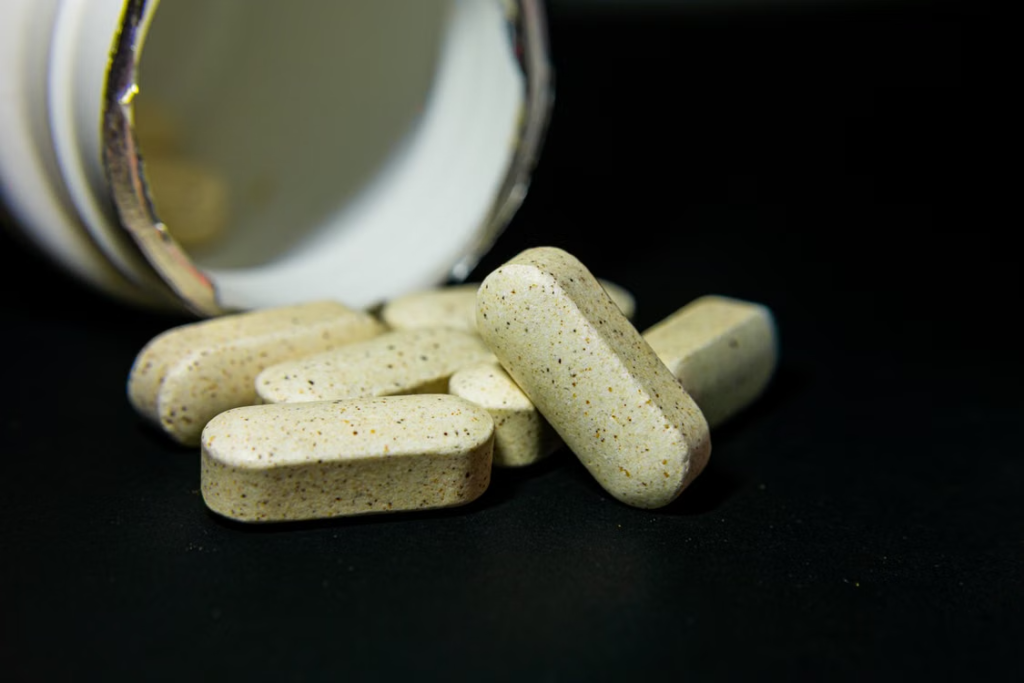
Iron is an essential mineral that supports several important functions in the body. It helps produce healthy red blood cells, supports oxygen transport, and contributes to normal energy levels. When iron levels fall below the body’s actual needs, everyday activities may become more challenging. Recognizing the early signs of low iron can help individuals take appropriate steps to support their health.
Understanding the Importance of Healthy Iron Levels
Iron plays an important role in producing hemoglobin. A protein that helps red blood cells transport oxygen throughout the body. Muscles, organs, and other tissues depend on this oxygen to function properly.
When the body lacks sufficient iron, it may struggle to produce enough red blood cells. This can affect energy levels, concentration, and physical performance.
For individuals with low iron levels, meeting their daily iron requirements through diet alone can sometimes be challenging. Additionally, some traditional iron supplements may cause digestive discomfort, including nausea, constipation, or stomach irritation, making regular use difficult. In such cases, gentle iron supplements can provide a more comfortable option for increasing iron intake while supporting digestive tolerance. Choosing an appropriate formulation can help individuals maintain a consistent supplementation routine and meet their nutritional needs.
Persistent Fatigue and Reduced Energy Levels
Feeling unusually tired is one of the most common signs of low iron levels. Persistent tiredness despite adequate rest may indicate that the body needs additional nutritional support.
Iron helps deliver oxygen to muscles and tissues, allowing the body to produce the energy required for daily activities. When iron levels decrease, individuals may notice reduced stamina or difficulty completing tasks that previously felt manageable.
Maintaining adequate iron intake can support normal energy metabolism and physical endurance.
Changes in Concentration and Mental Alertness
Iron supports normal brain function by contributing to oxygen delivery and several processes involved in cognitive performance. Individuals with low iron may experience difficulty concentrating or trouble maintaining attention during everyday activities. These changes can affect productivity at work.
Supporting healthy iron levels through balanced nutrition can contribute to normal cognitive function. Foods including lentils, beans, lean meat, and fortified cereals provide iron alongside other essential nutrients that support overall health.
Pale Skin and Changes in Physical Appearance
Low iron levels may contribute to noticeable changes in physical appearance. Particularly when iron deficiency progresses to anemia. Some individuals develop paler skin or notice reduced color inside their lower eyelids.
These changes occur because hemoglobin gives blood its red color and carries oxygen to the body’s organs and tissues. Lower hemoglobin levels can make certain areas appear less colorful than usual. Healthcare professionals can use blood tests to assess hemoglobin and iron stores.
Breathing Issues During Everyday Activities
Iron contributes to oxygen transport, making it important for normal physical activity. When iron deficiency causes anemia, individuals may experience trouble breathing during activities such as climbing stairs, walking quickly, or exercising.
This happens because reduced hemoglobin levels limit the amount of oxygen that red blood cells can transport. Adequate iron intake supports healthy oxygen delivery and normal exercise capacity. Individuals who experience new or unexplained breathing difficulties should seek medical evaluation. Early assessment can help identify the cause and guide appropriate treatment.
Foods That Help Maintain Healthy Iron Levels
A balanced diet provides an important foundation for maintaining adequate iron levels. Both animal-based and plant-based foods contain iron, although the body absorbs these forms differently.
Lean meat, poultry, and seafood provide heme iron, which the body generally absorbs more efficiently. Plant-based options such as lentils, spinach, tofu, beans, pumpkin seeds, and fortified cereals provide non-heme iron.
Combining plant-based iron sources with vitamin C-rich foods can improve iron absorption.
For example, adding bell peppers to a bean salad or serving lentils with tomatoes creates a nutritious combination.
Eating a variety of these foods can help individuals meet their nutritional needs while supporting overall health.
The Benefits of Appropriate Iron Supplementation
Iron supplementation can provide additional nutritional support when dietary intake alone does not meet an individual’s needs. Healthcare professionals may recommend supplements after evaluating iron levels, dietary habits, and relevant health conditions.
One important benefit of supplementation is the ability to provide a measured amount of iron consistently. This can help replenish depleted iron stores and support healthy red blood cell production. Some formulations also prioritize digestive tolerance.
The most suitable supplement depends on the individual’s iron requirements, formulation preferences, and medical guidance. Following the recommended dosage helps support effective and safe supplementation.
Building Healthy Habits for Long-Term Iron Support
Maintaining healthy iron levels involves more than choosing nutritious foods or taking supplements. Consistent habits and appropriate monitoring can help individuals understand their nutritional needs and make informed decisions.
Regular meals containing iron-rich ingredients provide ongoing nutritional support. Healthcare professionals may recommend blood tests to monitor hemoglobin and ferritin levels. These assessments help determine whether dietary changes or supplementation are producing the intended results.
It is also important to understand that excessive iron intake can cause health problems. Individuals should avoid taking high-dose iron supplements without appropriate medical advice.
Supporting Better Health Through Adequate Iron Intake
Recognizing the signs of low iron levels can encourage timely action and better nutritional habits. Fatigue, concentration difficulties, pale skin, and reduced physical endurance may indicate a need for further evaluation.
A varied diet, suitable supplementation when necessary, and regular health assessments can help maintain healthy iron levels. By addressing deficiencies appropriately and developing consistent nutritional habits, individuals can support their energy, physical performance, and long-term well-being.
When to Check Your Iron Levels and Seek Medical Guidance
Recognizing the early signs of low iron can help you take timely steps to protect your health. Blood tests, including a complete blood count and ferritin test, can help determine whether your iron levels require attention.
A healthcare professional can assess your nutritional needs, identify possible causes of iron deficiency, and recommend appropriate dietary changes or supplementation. Regular monitoring also helps track your progress and ensures you receive the right amount of iron. If you experience sudden or severe shortness of breath, chest pain, or fainting, seek urgent medical attention.
With timely guidance, balanced nutrition, and appropriate treatment, you can support healthy iron levels, improve daily energy, and maintain your overall well-being.
Other Articles You May Find of Interest...
- Common Signs of Low Iron Levels and How to Address Them
- The Quest for Longevity: Supplement Trends Shaping Health Span in 2026
- How to Get a Vitamin B12 Shot Safely
- The Power of L-Methylfolate: Could Your Multivitamin or Methylfolate Supplement Be Using the Wrong Form of Folate?
- Vitamin B12 Supplements in the UK: Forms, Doses and What to Consider
- How to Buy Supplements Online Safely: What to Check Before You Order
- Can Evening Primrose Oil Help Breast Cyst Pain?





