Your Health Magazine Contributor
4201 Northview Drive
Suite 102
Bowie, MD 20716
More Physical Therapy Articles
The Role of Physical Therapy in Preventing Chronic Pain
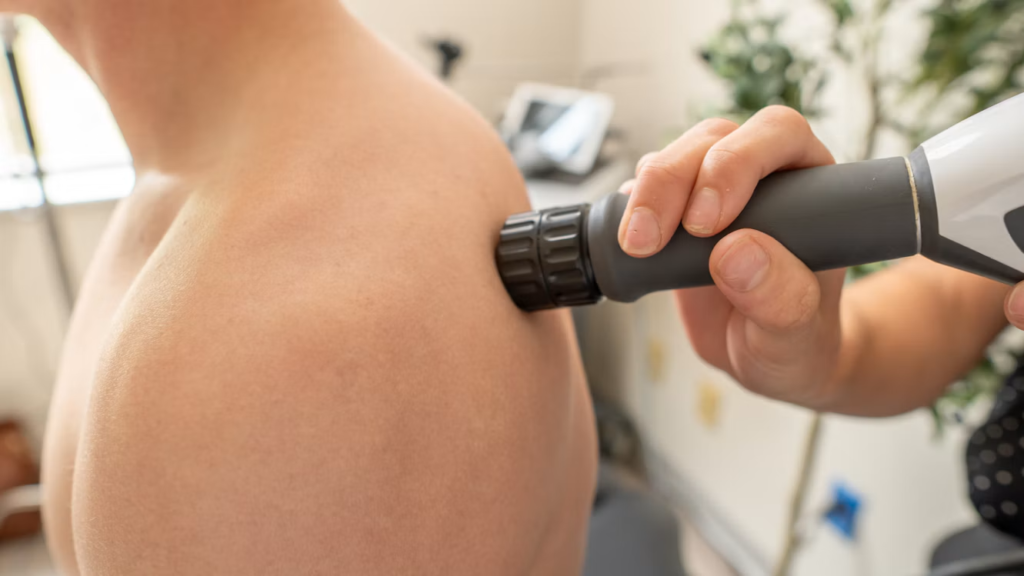
Chronic pain can affect nearly every aspect of daily life, from completing household tasks to maintaining an active lifestyle. While occasional discomfort is common, persistent pain may develop when injuries, muscle imbalances, or movement difficulties are not properly addressed. Individuals researching home physical therapy Bridgeport, CT can explore whether receiving rehabilitation services at home is an appropriate option for managing pain and improving physical function. Physical therapy focuses on identifying factors that contribute to discomfort while helping individuals develop healthier movement patterns. Through targeted exercises, education, and personalized treatment plans, physical therapy can play an important role in reducing the risk of long-term pain.
Understanding How Chronic Pain Develops
Chronic pain generally refers to discomfort that persists or repeatedly returns for more than three months. It may develop following an injury, prolonged physical strain, or conditions affecting muscles, joints, and nerves. In some cases, pain continues even after the original injury has healed because of changes in how the nervous system processes pain signals.
Poor posture, repetitive movements, and limited physical activity can also contribute to ongoing discomfort. When certain muscles become weak or overloaded, surrounding structures may experience additional strain during everyday activities. Recognizing these contributing factors early can help individuals address movement difficulties before they become more persistent.
Improving Movement and Physical Function
One of the primary goals of physical therapy is to improve how the body moves during daily activities. Physical therapists assess joint mobility, muscle strength, flexibility, and movement patterns to identify limitations that may contribute to discomfort. These assessments help guide individualized treatment plans that address specific physical challenges rather than relying solely on temporary symptom relief.
Therapeutic exercises can strengthen supporting muscles, improve coordination, and restore comfortable movement. For example, strengthening the muscles surrounding the spine may improve stability during lifting, walking, and other activities. Gradually improving physical function can also help individuals participate in everyday routines with greater confidence and less discomfort.
Addressing Muscle Weakness and Imbalances
Muscle weakness and imbalances can influence how forces are distributed throughout the body. When one muscle group is unable to provide adequate support, other muscles may compensate and become overloaded. Over time, these movement patterns can contribute to recurring discomfort, particularly in areas such as the lower back, shoulders, and knees.
Physical therapy addresses these challenges through carefully selected strengthening and mobility exercises. Treatment may focus on improving muscular endurance, restoring joint control, and developing more efficient movement habits. Consistent participation in an appropriate exercise program can help reduce unnecessary physical strain and support long-term musculoskeletal health.
Encouraging Safe Physical Activity
Regular physical activity is essential for maintaining healthy muscles, joints, and overall physical function. However, individuals experiencing pain may avoid movement because they worry about worsening their symptoms. This avoidance can sometimes contribute to reduced strength, stiffness, and declining physical confidence.
Physical therapists help individuals gradually return to activities at a manageable intensity. Treatment programs may include walking, stretching, resistance exercises, and functional movements tailored to personal abilities. By encouraging gradual progression and appropriate activity modifications, physical therapy can help people remain active without placing unnecessary stress on sensitive areas.
Supporting Better Posture and Everyday Habits
Daily habits can significantly influence musculoskeletal comfort, particularly for individuals who spend extended periods sitting or performing repetitive tasks. Poor workstation positioning, limited movement breaks, and inefficient lifting techniques may increase physical strain. Although posture alone does not determine whether someone develops chronic pain, improving movement variety and physical awareness can be beneficial.
Physical therapists provide practical guidance on adjusting everyday activities to improve comfort and efficiency. Recommendations may include modifying workstation arrangements, practicing safer lifting techniques, and incorporating regular movement throughout the day. These small adjustments can complement therapeutic exercises and help individuals manage physical demands more effectively.
Building Long-Term Pain Management Strategies
Preventing persistent pain often requires more than completing a short course of treatment. Individuals benefit from understanding their symptoms, recognizing physical limitations, and developing strategies for managing occasional discomfort. Physical therapy emphasizes education and self-management skills that can remain useful long after formal rehabilitation ends.
A personalized home exercise program can help maintain improvements in strength, flexibility, and mobility. Physical therapists may also teach pacing strategies and gradual activity progression to help individuals manage flare-ups without unnecessary inactivity. These approaches support greater independence while reducing reliance on passive treatments for ongoing symptom management.
Conclusion
Physical therapy plays a valuable role in preventing and managing chronic pain by improving movement, addressing physical limitations, and encouraging healthier daily habits. Through individualized exercises, practical education, and gradual activity progression, individuals can develop the skills needed to maintain mobility and manage discomfort more effectively. Although not every case of chronic pain can be prevented, early assessment and appropriate rehabilitation may reduce the likelihood of persistent functional difficulties. Seeking professional guidance when pain interferes with everyday activities can support better physical health, greater independence, and an improved quality of life.
Other Articles You May Find of Interest...
- How Physiotherapy Can Help With Sciatica and Leg Pain
- The Role of Physical Therapy in Preventing Chronic Pain
- Movement Is a Lifelong Responsibility
- The Drawbacks and Risks of Trigger Point Therapy
- Making Physiotherapy Part of a More Comfortable Everyday Life
- Pars Fracture FAQs: Symptoms, Imaging, and Treatment Options
- A Better Truth About Bunions