Your Health Magazine Contributor
4201 Northview Drive
Suite 102
Bowie, MD 20716
More Health News & Research Articles
How Does Tirzepatide Work? What Dual GIP/GLP-1 Agonism Studies Are Exploring in the Lab
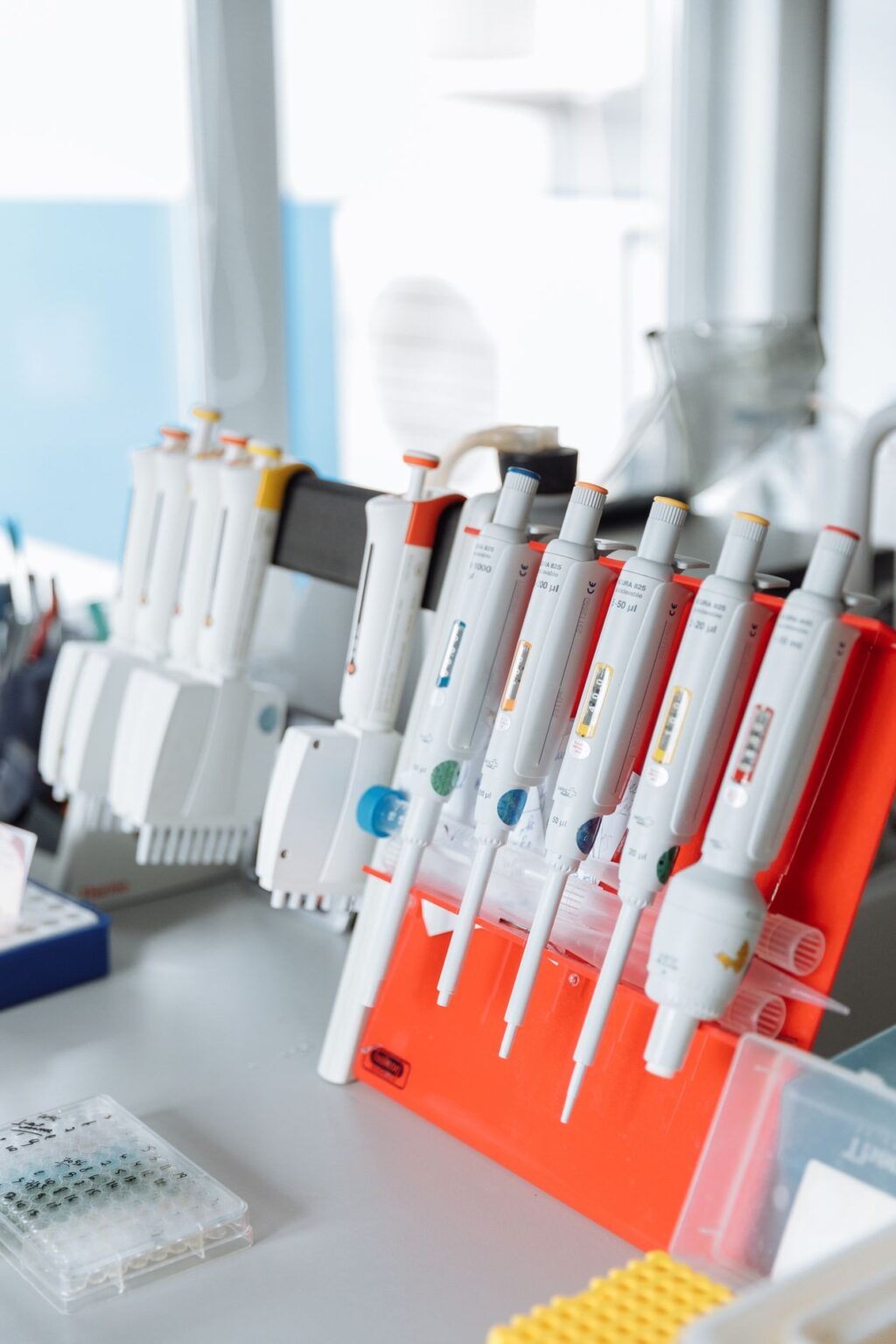
“How does tirzepatide work?” is one of the most searched science questions of the past few years, and most answers focus on the clinic. In the laboratory, the question is narrower and more technical: how does a single peptide engage two different hormone receptors, and what can researchers learn by studying it? Labs that work with tirzepatide as a reference compound buy it as research material, and anyone comparing listings of tirzepatide peptide for sale to laboratories should expect the detail that Alpha Carbon Labs publishes on its product page: receptor targets, CAS number, storage conditions and a batch-specific certificate of analysis.
Because research peptides are often supplied as freeze-dried material, laboratories may also document supporting materials used in validated nonclinical protocols. A product such as a reconstitution solution 30ml bottle, preserved with 0.9% benzyl alcohol, may be recorded separately as part of laboratory materials documentation. This should not be interpreted as guidance for human or veterinary preparation or administration.
First, a Note on Approved Medicines
Tirzepatide is the active ingredient in prescription medicines approved by the US Food and Drug Administration. Research material sold for laboratory use is not those medicines. The supplier above says so directly on its product page, noting that its research peptide is not for human use. The FDA has also warned companies that market products labelled “for research purposes” to consumers for personal use. This article is about laboratory science only.
How Does Tirzepatide Work at the Receptor Level?
Tirzepatide belongs to a class researchers call dual incretin receptor agonists. Incretins are gut hormones released after eating. Two of the best known are glucose-dependent insulinotropic polypeptide (GIP) and glucagon-like peptide-1 (GLP-1). Each acts on its own receptor, GIPR and GLP-1R, both members of the class B family of G protein-coupled receptors.
Tirzepatide was engineered to activate both. Its backbone is based on the native GIP sequence, modified with non-standard amino acids, including aminoisobutyric acid (Aib), that resist breakdown by the enzyme DPP-4. A fatty-acid side chain helps it bind to albumin, a common protein in blood, which extends how long it remains intact in experimental systems. In cell-based assays, published work describes it as more potent at the GIP receptor than at the GLP-1 receptor, an “imbalanced” profile that has itself become a subject of study.
Why Dual Agonism Interests Researchers
Before dual agonists, most incretin research looked at one receptor at a time. A single molecule that engages two receptors lets scientists ask new questions:
- Signalling bias. Does activating GIPR and GLP-1R together produce different intracellular signals, such as cAMP generation or receptor internalisation, than activating either alone?
- Receptor cross-talk. How do the two pathways influence each other in the same cell type?
- Structure and activity. Which parts of the peptide sequence drive binding at each receptor, and how do small changes shift the balance?
- Comparison compounds. How does a dual agonist behave next to single-receptor tools, or next to newer molecules that add a third receptor?
These are basic-science questions. They are answered in cell lines, receptor-binding assays and animal models, not in people.
What Lab Studies Are Exploring
Current preclinical work using tirzepatide as a tool compound tends to fall into a few themes. Receptor pharmacology studies compare binding and signalling at GIPR and GLP-1R. Tissue-level studies look at how incretin signalling operates in pancreatic, adipose, liver and brain tissue models. Comparative studies place tirzepatide alongside single and triple agonists to map how adding or removing a receptor target changes the picture.
Good study design also relies on controls. A typical receptor experiment runs the dual agonist next to native GIP and native GLP-1, plus a vehicle-only control, so any difference in signal can be traced to the compound rather than the assay. Researchers often generate full concentration-response curves rather than single data points, which lets them compare potency and maximum response across receptors. Repeating experiments with a second batch of material is a simple way to confirm that a result belongs to the molecule, not to one vial.
In each case, the value of the research depends on the material being what the label says it is. That is why the paperwork matters as much as the molecule.
Handling Research Material in the Lab
Tirzepatide research material is usually supplied as a lyophilised powder in a sealed vial. The Alpha Carbon Labs product page lists storage for the sealed vial at −20°C, kept dry, notes that shelf life is batch-specific, and states that stability after reconstitution has not been established for its product, so labs should follow their own validated procedures. It also says no diluent is included.
Where a validated nonclinical laboratory protocol requires a diluent, researchers should follow that protocol and their institution’s handling procedures rather than infer suitability from a product listing alone. Reconstitution Solution Co describes its 30 mL vial as sterile water preserved with 0.9% benzyl alcohol, made to the USP bacteriostatic formula, factory sealed with a flip-cap, with lot documentation available on request. Logging the diluent’s lot number next to the peptide’s batch number can help preserve traceability if a result needs checking.
Many labs keep a simple materials log for each project. A typical entry records the supplier, batch or lot number, date received, storage location, the date a vial was first opened and the analyst who prepared it. Keeping copies of each certificate of analysis with that log means an unexpected result can be checked against the paperwork later, and it makes methods sections easier to write when the work is published.
What to Check Before Ordering
A short checklist keeps research material traceable:
- a batch number on the vial that matches a published certificate of analysis
- named test methods, typically HPLC for purity and mass spectrometry for identity
- stated storage conditions and a clear research-use-only label
- a preserved diluent whose label lists its preservative
How Does Tirzepatide Work? The Short Answer
So, how does tirzepatide work? In the lab, it is best understood as a single engineered peptide that activates two incretin receptors, GIPR and GLP-1R, with a stronger pull at GIPR. That dual action makes it a useful reference point for studying receptor signalling and cross-talk. The science is only as good as the material, though, so careful sourcing, storage and documentation remain the foundation of any study that uses it.
Other Articles You May Find of Interest...
- The Evolution of Incretin Mimetic Research: How Triple Receptor Agonists Are Redefining Metabolic Science
- Peptide Research Across Biological Systems: Comparing Metabolic Signalling and Cellular Pathway Investigations
- How Does Tirzepatide Work? What Dual GIP/GLP-1 Agonism Studies Are Exploring in the Lab
- GLP-1, GIP and Glucagon Receptors: Exploring Multi-Receptor Research
- Role of SCARA5 ELISA Kit in Cancer Research
- The $28 Billion Habit of Not Checking Your Inputs
- BPC-157 Peptide Benefits: What Research Says About Recovery, Healing and Tissue Repair