Your Health Magazine Contributor
4201 Northview Drive
Suite 102
Bowie, MD 20716
More Dental Health Articles
Dental Emergencies Missing Teeth and Treatment Decisions What Patients Should Know
A sudden toothache and a decision about replacing a missing tooth can both lead someone to a dentist, but they involve different priorities. An urgent visit focuses on the immediate problem: finding the cause of pain, assessing injury or infection and deciding what care is needed. Planning a replacement tooth usually comes later, once the condition and available options are understood.
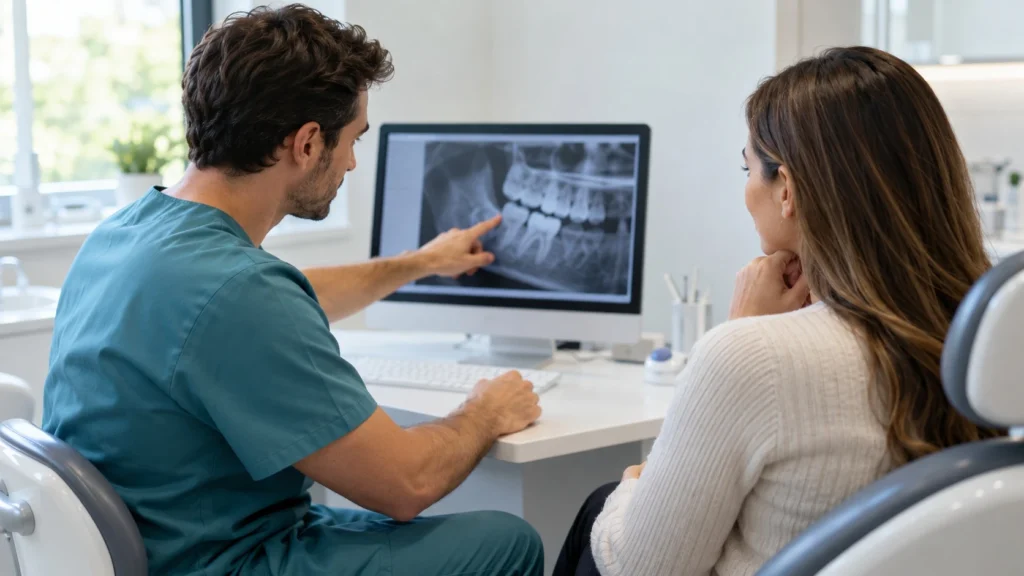
Knowing that distinction helps patients ask better questions without assuming a particular treatment is inevitable. A badly damaged tooth does not always need to be removed, and a missing tooth does not automatically require an implant. An examination, relevant records and an individual discussion are needed before a dentist can recommend a course of care.
Recognize symptoms that need prompt attention
Persistent toothache, pain that interrupts sleep, a broken tooth or a sudden change after an injury deserves professional attention. Tell the dental team when symptoms began, whether they are worsening and whether eating or biting triggers pain. Mention swelling, fever, a bad taste, bleeding or difficulty opening the mouth. These details help the team understand the concern when arranging care.
For a Toronto patient looking for an Emergency Dentist Yorkville is one neighbourhood where Dakota Dental Clinic publishes information about urgent dental problems and appointment enquiries. Contact the office to explain the symptoms and confirm availability before attending. Online information can help prepare for the conversation, but cannot diagnose the problem or guarantee a same-day appointment.
Know when the situation needs emergency medical care
Serious facial or mouth swelling that affects breathing or swallowing, uncontrolled bleeding, or major facial or head trauma requires emergency medical care. In Canada, call 911 or go to an emergency department. Do not wait for an ordinary dental appointment, an email response or a callback when these warning signs are present.
A dental infection can also require urgent attention before it reaches that stage. Increasing swelling, fever or feeling unwell should be reported promptly to a dental professional or medical service. The right destination depends on the symptoms and severity. When uncertain about a possible medical emergency, seek urgent medical advice rather than trying to judge the danger from a photograph or search result.
Toothaches and cracks need a diagnosis
Pain can arise from several conditions, including decay, a damaged restoration, a crack or inflammation around a tooth. Its intensity does not reliably show how extensive the problem is. A tooth that looks intact may still need investigation, while a visible chip can range from a minor defect to a more significant injury.
A dentist may examine the area, ask about the injury or pain pattern, assess the bite and take images when indicated. Tell the dentist about previous treatment on the tooth and any health conditions or medicines that could affect care. Temporary relief does not prove that an underlying infection or structural problem has resolved, so follow the advice given about assessment.
Act carefully after a knocked out adult tooth
A knocked-out permanent tooth is time-sensitive. Seek urgent dental advice immediately. If the tooth can be found, handle it by the crown, the visible part normally above the gum, rather than the root. Avoid scrubbing the root or letting it dry out. If dirty, rinse it gently without scraping off tissue.
If you cannot confidently place it back, keep the tooth moist in milk while arranging urgent care; do not force it into the socket. A dentist can give immediate advice about handling and transport. A tooth should not be carried loose inside the mouth of a young child or anyone at risk of swallowing it. A knocked-out baby tooth must not be replanted. Major injury or dangerous bleeding also needs medical assessment.
Manage the wait without worsening the problem
If a crown, filling or tooth fragment has come away, keep it and ask the dental team what to bring. Do not use household glue or attempt to repair a damaged restoration yourself. Avoid biting directly on the affected area until you receive advice. The appropriate temporary measure depends on the problem and does not replace professional care.
For pain relief, ask a pharmacist or clinician what is suitable for your health history and medicines, and follow the product instructions. Do not put aspirin directly against the gum or take someone else’s prescription. Tell the team if symptoms change while you are waiting, particularly if swelling spreads or you become unwell. Escalate medical warning signs immediately.
The first appointment may not finish every stage
Urgent care can involve assessment, pain management, a temporary restoration or another intervention chosen for the diagnosis. Further treatment may require a separate appointment or referral. Antibiotics are not a substitute for addressing the source of a dental problem and are not appropriate for every toothache; the treating clinician decides whether they are indicated.
Before leaving, ask what has been done, what remains to be treated and which symptoms should prompt another call or emergency care. Understand whether a temporary repair has limits on chewing or needs replacement. Written instructions can help a patient follow the plan when pain, anxiety or a hurried visit makes details difficult to remember.
Preserving a tooth depends on its condition
Depending on the diagnosis, a damaged tooth may be managed with a restoration, root canal treatment or another approach. Extraction may be considered when a tooth cannot reasonably be restored or retained. The decision involves more than whether the tooth hurts: remaining structure, the position of a fracture, gum and bone support, infection and the wider treatment plan can matter.
Ask why a tooth is considered restorable or not, what alternatives exist and what each option involves. In a non-emergency decision, a second opinion may be useful if there is uncertainty. When extraction is necessary, the immediate discussion should still cover healing, follow-up and the timing of any later replacement assessment.
Consider replacement options after the urgent problem
A missing tooth may be replaced with an implant-supported restoration, a bridge or a removable denture, depending on the circumstances. Each option has different implications for nearby teeth, cleaning, appointments and maintenance. The dentist should explain the consequences of leaving the space as well, rather than presenting one replacement as compulsory for every patient.
For patients researching Dental Implants Yorkville provides access to local consultation information, including Dakota’s educational implant page. That information describes a possible route, not an emergency solution or confirmation of personal suitability. Ask who would provide the surgical and restorative stages, whether referrals are involved and which options are actually available for the individual case.
Understand suitability and limitations before implant treatment
An implant is placed in the jawbone to support an artificial tooth or teeth. The implant body, a connecting component and the visible restoration are different parts of treatment. Assessment may consider gum health, available bone, nearby structures, the bite, medical conditions, medicines and smoking. Additional care may be needed before an implant is considered.
Implant treatment has risks and requires ongoing care. Possible problems include infection, failure to integrate, damage to nearby structures and later complications affecting the supporting tissues or restoration. An implant is not guaranteed to last for life. Healing, treatment stages and costs vary, and a clinician must explain the benefits, limitations and alternatives relevant to the patient.
Ask for a plan that separates urgent and later decisions
A useful plan identifies what needs attention now, what can wait and why. Ask about the intended outcome, expected appointments, referral arrangements and what the estimate includes. Discuss cleaning and follow-up responsibilities before committing to a replacement. A patient should understand the options well enough to explain the proposed next step in their own words.
The safest sequence starts with the immediate clinical concern and moves to longer-term choices when appropriate. Prompt assessment does not require agreeing in advance to a particular restoration. Clear explanations give patients room to address pain or injury responsibly, then consider how tooth replacement fits their health, preferences and daily life.
Other Articles You May Find of Interest...
- Invisalign vs. Clear Aligners: What Adults Should Know Before Orthodontic Treatment
- Dental Emergencies Missing Teeth and Treatment Decisions What Patients Should Know
- How Clear Aligners Fit Into a Busy Work Schedule
- Overdue for the Dentist? Six Things to Expect
- How to Prevent Gum Disease: 7 Simple Ways to Keep Your Gums Healthy
- NHS vs Private Emergency Dentist
- Helping Kids Feel Better About Going to the Dentist