More Women's Health & Beauty Articles
Having Your Period and the Flu at the Same Time
By Your Health Magazine Health Information Team
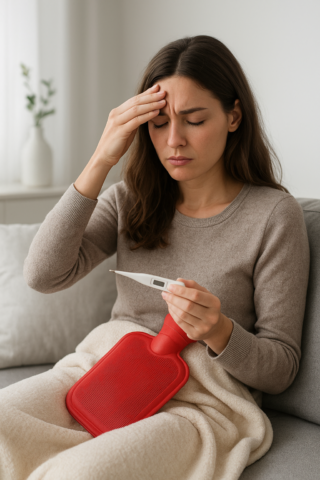
Yes, you can have your period and the flu at the same time. They are separate processes: influenza is a respiratory infection caused by a virus, while menstruation is the shedding of the uterine lining. Having both is usually a matter of timing, but overlapping symptoms such as fatigue, headache, body aches, nausea, and diarrhea can make you feel especially uncomfortable.
Which Symptoms Come From the Flu and Which Come From Your Period?
Some symptoms are easy to distinguish. Cough, sore throat, nasal congestion, chills, and a measured fever are more consistent with a respiratory infection than with menstruation. Flu symptoms also tend to begin suddenly. For a detailed overview, see the National Library of Medicine’s information about influenza.
Period-related symptoms usually center on the lower abdomen, pelvis, and lower back. Uterine contractions can cause cramps, while hormonal and prostaglandin changes may contribute to headaches, fatigue, nausea, loose stools, and dizziness. The National Library of Medicine provides additional guidance on menstrual cramps and associated symptoms.
| More Suggestive of Flu | More Suggestive of a Period | Can Occur With Either |
|---|---|---|
| Cough, sore throat, chills, sudden fever | Vaginal bleeding, pelvic cramps, lower-back cramping | Fatigue, headache, nausea, diarrhea, body discomfort |
| Runny or stuffy nose | Bloating and breast tenderness | Reduced appetite and difficulty sleeping |
A period by itself should not cause coughing or respiratory symptoms. Fever is also not considered a typical menstrual symptom. If you have fever with unusually severe pelvic pain, foul-smelling discharge, pain outside your usual period pattern, or other concerning symptoms, contact a healthcare professional rather than assuming everything is due to the flu.
Why Having Both Can Feel So Uncomfortable
Having the flu does not create a special menstrual illness, but the combined symptoms can add up. Flu-related muscle aches may intensify the sense of back or abdominal discomfort. Poor sleep can worsen fatigue and pain sensitivity, while fever, sweating, vomiting, or diarrhea may make it harder to stay hydrated.
Your period flow does not normally need to stop because you are sick. Continue using your preferred pads, tampons, menstrual cups, or period underwear according to their directions. If you are too tired to keep track of product changes, setting a reminder may help, especially when using tampons.
How to Care for Yourself
- Prioritize fluids. Sip water, broth, or an oral rehydration drink, particularly if you have fever, vomiting, diarrhea, or a reduced appetite.
- Rest as much as possible. Both influenza and menstrual symptoms can affect sleep and energy.
- Use gentle heat for cramps. A heating pad or warm water bottle placed over the lower abdomen may ease menstrual discomfort. Avoid falling asleep with an electric heating pad turned on.
- Eat what you can tolerate. Small, bland meals may be easier if you feel nauseated. Seek medical advice if you cannot keep liquids down.
- Limit spread to others. Stay home while acutely ill when possible, cover coughs, wash your hands, and avoid close contact with people at higher risk of complications.
- Consider respiratory-virus testing. Flu, COVID-19, and other infections can cause similar symptoms. Testing can be particularly useful if you are at higher risk or may qualify for early treatment.
Be Careful When Combining Period and Flu Medicines
Over-the-counter pain relievers may help with fever, body aches, headaches, and menstrual cramps, but check the active ingredients before combining products. Many multi-symptom cold and flu medicines already contain a pain reliever.
Acetaminophen can reduce fever and pain. The FDA advises against taking more than one acetaminophen-containing product at a time because an accidental overdose can cause severe liver injury. Read the Drug Facts label and follow its directions. The FDA’s acetaminophen safety information explains how to identify this ingredient in prescription and nonprescription products.
Nonsteroidal anti-inflammatory drugs, or NSAIDs, such as ibuprofen and naproxen can relieve flu-related aches and menstrual cramps. Do not combine different NSAIDs unless a healthcare professional tells you to do so. Ask a doctor or pharmacist before using them if you have a history of stomach ulcers, bleeding problems, kidney or liver disease, an aspirin or NSAID allergy, or if you take blood thinners.
Prescription antiviral medicine may be appropriate for some people with confirmed or suspected flu. It is especially important to contact a healthcare professional promptly if you are pregnant, seriously ill, hospitalized, or at increased risk because of age or an underlying condition. Flu antivirals generally work best when started within the first one to two days of symptoms, although later treatment may still benefit some patients. Review the CDC’s current guidance on influenza antiviral treatment.
Can Being Sick Change Your Period?
Menstrual timing and flow can vary from one cycle to another. During an illness, changes in sleep, appetite, activity, stress, and daily routine may occur at the same time as a lighter, heavier, earlier, or later period. Track the change rather than automatically assuming influenza caused it.
Contact an OB-GYN or primary care professional if cycle changes continue for several months, bleeding repeatedly occurs between periods, or pain and bleeding are becoming more severe. If pregnancy is possible, take a pregnancy test because bleeding that resembles a period does not always rule out pregnancy. Pregnant readers may also find this guidance on sleep positioning, night sweats, and comfort during pregnancy helpful.
When to Seek Care
Seek urgent medical care for difficulty breathing, persistent chest or abdominal pressure, confusion, fainting, seizures, inability to stay awake, little or no urination, severe weakness, or symptoms that improve and then return or worsen.
Contact a healthcare professional promptly if:
- You are pregnant or may be pregnant and develop flu symptoms.
- You have asthma, diabetes, heart disease, a weakened immune system, or another condition that increases the risk of flu complications.
- You cannot keep fluids down or show signs of dehydration.
- Your menstrual pain is suddenly much worse than usual or continues when you are not bleeding.
- You soak through a pad or tampon every hour for several hours, feel faint, have a racing heartbeat, or pass unusually large clots.
- Your period lasts longer than seven days or the bleeding is substantially different from your usual pattern.
Having your period and the flu at the same time is usually manageable with rest, fluids, appropriate symptom relief, and attention to medication labels. However, respiratory warning signs, unusually severe pelvic symptoms, or heavy bleeding deserve medical evaluation rather than being dismissed as an unpleasant combination of common symptoms.
Other Articles You May Find of Interest...
- Having Your Period and the Flu at the Same Time
- Preparing for a Gynecology Appointment With Greater Confidence
- Pelvic Floor Dysfunction in Perimenopause: Symptoms, Causes and How to Strengthen Your Muscles
- Done Having Children but Not Feeling Like Yourself? What to Know About a Mommy Makeover
- The Risks of Breast Augmentation: A Guide for First-Timers
- Vulvar Pain During Your Period: Causes Beyond Cramps
- 5 Stretch Mark Lotions For Pregnancy: A First-Trimester Prevention Playbook