Your Health Magazine Contributor
4201 Northview Drive
Suite 102
Bowie, MD 20716
More Women's Health & Beauty Articles
Can You Scuba Dive During Pregnancy?
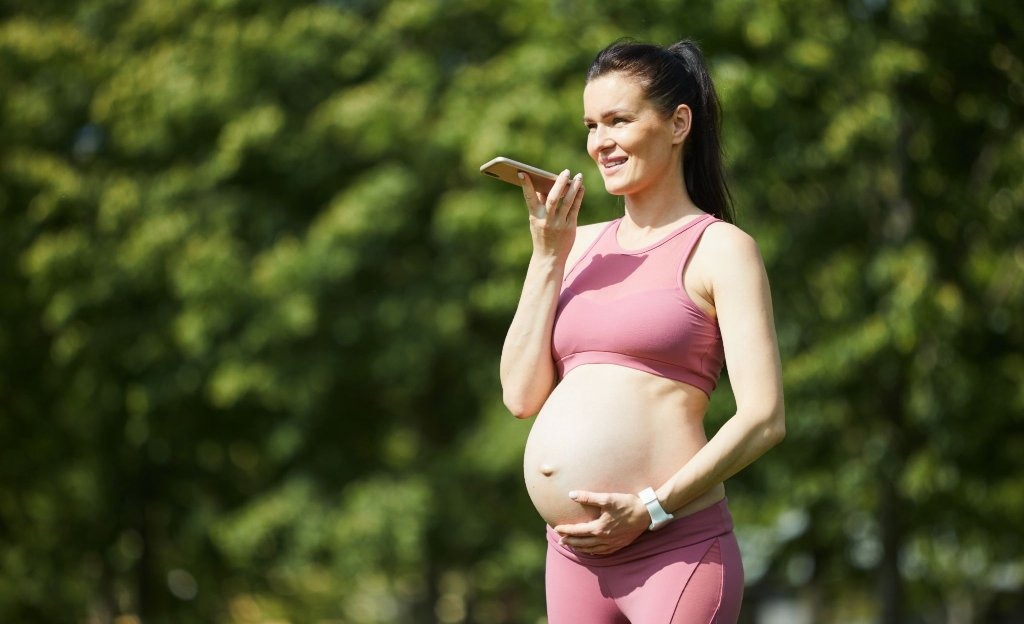
Finding out about a pregnancy changes a lot of plans, and for women who dive, one of the first questions is what happens to the next trip. The gear is packed, the flights might already be booked, and the ocean is not going anywhere. So is it still okay to go under?
The short answer from dive medicine and pregnancy experts is no. Scuba diving is one of the few activities that doctors and dive organizations agree should be paused from the moment a pregnancy is known, and ideally while trying to conceive as well. The good news is that the pause is temporary, there are other ways to enjoy the water in the meantime, and getting back to diving after the baby arrives is usually simple.
Understanding Scuba Diving and Pregnancy
Scuba diving is not considered safe during pregnancy. The Divers Alert Network, the main medical organization for recreational divers, advises that pregnant women and those trying to become pregnant should refrain from diving. The American College of Obstetricians and Gynecologists takes the same view and lists scuba diving among the activities to avoid, alongside contact sports, sky diving, and hot yoga.
This is not because diving has been proven to harm a baby in every case. It is because nobody can say that it is safe. When the possible downside involves an unborn child, the experts choose caution, and many dive operators will not take a pregnant diver underwater for the same reason.
What Makes Diving Risky During Pregnancy?
The main concern is decompression. During a dive, the body absorbs extra nitrogen under pressure, and on the way up, tiny gas bubbles can form in the blood. An adult diver’s lungs can filter bubbles from the circulation. A fetus does not have that protection, since most fetal blood bypasses the lungs before birth. Diving also exposes the body to increased pressure and higher partial pressures of oxygen, and the effects of these exposures on a developing fetus are not well established.
Research on this is limited for an obvious reason, nobody can ethically test it on pregnant women. On top of that come the practical problems. Heavy tanks, boat ladders, and currents get harder to manage as pregnancy progresses, morning sickness does not mix well with boats or regulators, and wetsuits and buoyancy vests are not designed for a changing body.
What If Someone Dived Before Knowing About the Pregnancy?
This happens more often than people think. Many women only find out they are pregnant a few weeks in, and some have already been diving by then. Dive medicine experts acknowledge that it is a common situation and that women often look for advice after the fact.
There is no firm evidence that a few dives early in pregnancy cause harm, and there is no firm evidence that they are completely safe either. The sensible step is to stop diving once the pregnancy is known and mention the dives to a doctor or midwife at the next appointment. It is a reason for a conversation, not for panic.
Safer Ways to Stay Active in the Water
Giving up diving does not mean giving up the water. Health guidance generally encourages around 150 minutes of moderate exercise a week during pregnancy, and water-based exercise is often singled out as being easy on the body. Options include:
- Swimming. One of the most commonly recommended exercises in pregnancy, since the water supports body weight and takes pressure off the joints.
- Water aerobics. Gentle, low-impact, and widely available in classes designed for pregnant women.
- Snorkeling. Floating at the surface in calm, shallow water involves no pressure changes, which makes it a relaxed way to still see what is going on below.
This matters for travel too. A pregnancy does not have to cancel a beach holiday, even in places known for diving. The sheltered lagoons of the Maldives, the shallow bays around Thailand’s islands, and the calmer reefs off Bali can all be enjoyed from the surface. Local knowledge helps wherever the trip leads. A resort’s water sports desk in the Maldives or a reputable diving center in Nusa Penida, for example, can point out which spots are gentle enough for snorkeling and which have currents that are better left alone. Any activity during pregnancy is still worth clearing with a doctor first, especially when travel is involved.
Friendly Dive Spots for Getting Back in the Water
The break from diving ends sooner than many expect. Dive medicine guidance suggests waiting at least three to four weeks after a vaginal delivery, which gives the body time to recover and lowers the risk of infection. After an uncomplicated cesarean, the suggested wait is at least eight weeks so the wound can heal and stamina can return. Breastfeeding is not a barrier either. Diving is considered safe for nursing mothers, as long as they stay well hydrated and skip diving if there is any breast inflammation or infection.
Fitness is the other part of the comeback. After months away, a refresher session with an instructor helps rebuild confidence, and it is worth checking that the wetsuit and weights still fit, since both may need adjusting. The choice of destination matters as well. Warm, calm, shallow water makes a first trip back far easier, and a few places around the world are known for offering exactly that alongside more challenging dives for later.
Koh Tao, Thailand
Koh Tao is one of the busiest places in the world to learn to dive, and the same things that suit beginners suit a returning diver. Its bays are shallow and sheltered, the water is warm, and most sites are a short boat ride from shore. It is not the place for big animal encounters, but for rebuilding skills without pressure, it is hard to fault.
Nusa Penida, Indonesia
Indonesia sits in the heart of the Coral Triangle, and Bali is its most visited island. Just off Bali’s southeast coast, the Nusa Penida dive sites cover an unusually wide range, from calm bays of around ten meters that are used for training to deep drift dives meant for advanced divers only. That spread lets a returning diver start gently and save the manta ray sites and stronger currents for later in the trip, or for the next one.
The Red Sea, Egypt
The Red Sea is known for clear water and reefs that start close to shore. Resort areas such as Sharm El Sheikh and Dahab have plenty of easy, shallow sites that can be reached without long boat rides, which helps when traveling with a baby. The popular spots can get crowded, though, so quieter times of year are worth considering.
Bonaire, Caribbean
Bonaire has built its reputation on shore diving. Many sites are reached by simply walking in from the beach, conditions are usually calm, and divers can set their own pace without fitting around a boat schedule. That flexibility is useful for new parents, although the island is a long trip from most of Asia and Europe.
When to Consult a Healthcare Provider
Every pregnancy is different, and general guidance is no substitute for personal medical advice. It is worth speaking to a healthcare provider when:
- A dive took place before the pregnancy was known
- Planning any exercise routine or water activity during pregnancy
- Traveling to a remote area while pregnant
- Deciding when to return to diving after birth, particularly after a cesarean or a complicated delivery
A doctor who knows the full medical history is in the right position to give a clear answer, and a dive-medicine specialist can help with anything specific to diving.
FAQs
Can a woman scuba dive in early pregnancy?
It is not recommended at any stage. Dive medicine guidance advises against diving from the time a pregnancy is known, and while trying to conceive.
Is snorkeling safe during pregnancy?
Snorkeling at the surface in calm water does not involve the pressure changes of scuba diving, so it is generally seen as a gentler option. It is still sensible to check with a doctor first.
Is swimming safe during pregnancy?
Yes. Swimming is one of the most commonly recommended forms of exercise during pregnancy because the water supports the body.
How long after giving birth can diving resume?
Guidance suggests at least three to four weeks after a vaginal delivery and at least eight weeks after an uncomplicated cesarean, with a doctor’s clearance.
Can breastfeeding mothers scuba dive?
Yes. Diving is considered safe while breastfeeding, provided the mother stays hydrated and has no breast infection.
Conclusion
Scuba diving and pregnancy do not go together, and the advice is the same from the start of trying to conceive until after the birth. The concern is that gas bubbles formed during a dive could affect the baby, and the research needed to rule that out does not exist. A dive taken before knowing about the pregnancy is a reason to talk to a doctor, not a reason to panic. In the meantime, swimming, water aerobics, and calm-water snorkeling keep the water part of daily life.
Pregnancy puts diving on hold, but only for a while. Most women can return a few weeks after the birth, with medical clearance and an easy first few dives, and the reefs will still be there when they do. Until then, a healthcare provider remains the right person to confirm what is safe for each individual pregnancy.
Other Articles You May Find of Interest...
- Low Albumin During Pregnancy: Common Causes and When It Matters
- Can You Scuba Dive During Pregnancy?
- Are Blood Clots Normal During Your Period?
- Dark Yellow Discharge During Pregnancy: What It Can Mean
- Can a Runny Nose Be an Early Sign of Pregnancy?
- Can a Molar Pregnancy Have a Heartbeat?
The Perimenopause Questions Women in Their 40s and 50s Ask Most, and Where to Start