






Your Health Magazine Contributor
4201 Northview Drive
Suite 102
Bowie, MD 20716
More Vision & Eye Care Articles
Contact Lenses vs. Glasses: What Your Cornea Health Should Decide
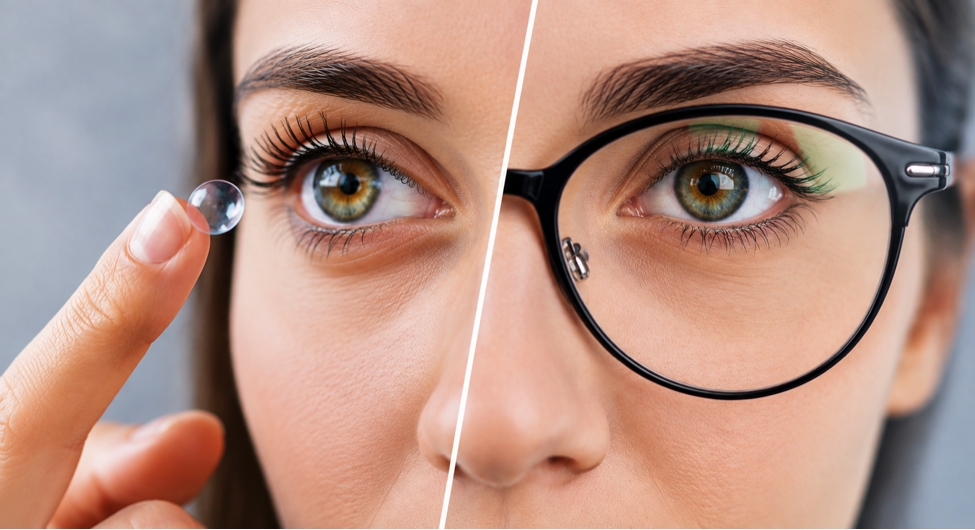
Contact lenses vs glasses: it’s one of those choices that people change their mind about for years isn’t it? One day you like the freedom of contacts the day you miss the comfort of your old glasses.. Here’s a question that most people never really take the time to think about: what does this choice do to your eyes? Not your vision, not your appearance. Your cornea.
That thin clear layer at the front of your eye takes the pressure depending on which option you pick.. According to eye experts like Dr Mahesh Garg, who has worked for three decades, on vision correction cases the decision should not begin with convenience at all. It should begin with what’s happening on the surface of your eye.
The Real Question: What’s Happening to Your Cornea?
Here is the thing nobody tells you when you go to the eye store: your eye needs to take in air. Actually the part of your eye called the cornea doesn’t have any blood flow of its own so it gets oxygen from the air around it.
Glasses don’t cause any problem with that; they stay a bit away from your eye doing their job without ever touching it. Contact lenses are a different situation. They rest on the surface of the cornea and the type of material they are made of can stop some of the oxygen from getting through.
So can contact lenses hurt the cornea? Not always and not, for everyone. With excessive or poorly managed contact lens wear, reduced oxygen reaching the cornea can contribute to corneal swelling and, in some cases, abnormal blood vessels growing into the normally clear cornea.
This isn’t meant to frighten you; it’s how the eye works and its something you should understand before you decide to use one of these options for a long time.
How Contact Lenses Affect Corneal Health Over Time
Is contact lenses safe to wear everyday? I know many people wear contact lenses for years and find them safe. For healthy adults contact lenses are safe. Millions of people wear contact lenses every day without problems.. Safe does not equal risk‑free. Many contact lens side effects grow quietly.
Dryness is the common complaint. Air conditioning, long screen sessions a ceiling fan all speed up tear evaporation. A contact lens on the eye makes dryness more obvious. Some people develop papillary conjunctivitis, a fancy name for inflamed bumps under the eyelid caused by long contact lens friction. Others notice vision becomes blurrier by evening. That shows the cornea is tired, not the eyes.
None of this means contact lenses are bad. Contact lenses demand more from body than glasses do. The cornea has to tolerate an object touching it for hours sometimes 12 to 14 hours a day. That load is truly different, from a pair of frames resting on the nose bridge. Remember this time you choose which pair to take when you leave the house.
When Glasses Are the Safer Choice
So when should you just put the contacts down. Reach for your glasses instead? If you already deal with dry eyes, glasses may be more comfortable for everyday use, although some people can still wear appropriately fitted contact lenses with guidance from an eye care professional.
Glasses do not compete with your film for moisture. Glasses also do not trap allergens or dust against your eye the way a lens can on a day. Are you recovering from an eye infection an injury or recent surgery?
The answer is the same. Give your cornea a break. Let the cornea heal without added friction. There are signs too. If your eyes feel gritty by the afternoon if you are reaching for lubricating drops than twice a day or if your vision seems to change as the day goes on those are honestly signs you should switch from contacts to glasses at least for a while. Your eyes are talking to you. Ignoring those signs, for the sake of convenience usually backfires.
Contact Lens Hygiene: Reducing Infection Risk
If you keep using contact lenses hygiene is not optional; it is the game. Most infections come from causes: sleeping in lenses that are not approved for overnight use topping off old solution instead of replacing it or more common than you think rinsing contact lenses with tap water.
A few contact lens hygiene tips following: wash your hands before touching your eyes replace your lens case every three months and never extend a contact lens wear time beyond what your ophthalmologist recommends even if the contact lens still feels fine.
That last part confuses people. Watch for contact lens infection symptoms such as redness that does not fade, unusual discharge, light sensitivity or pain that worsens of improving. None of these contact lens infection symptoms should be ignored.
A same‑day visit to an eye doctor is always the choice than hoping the contact lens infection resolves, on its own.
Special Cases: Astigmatism, Dry Eye & Screen Time
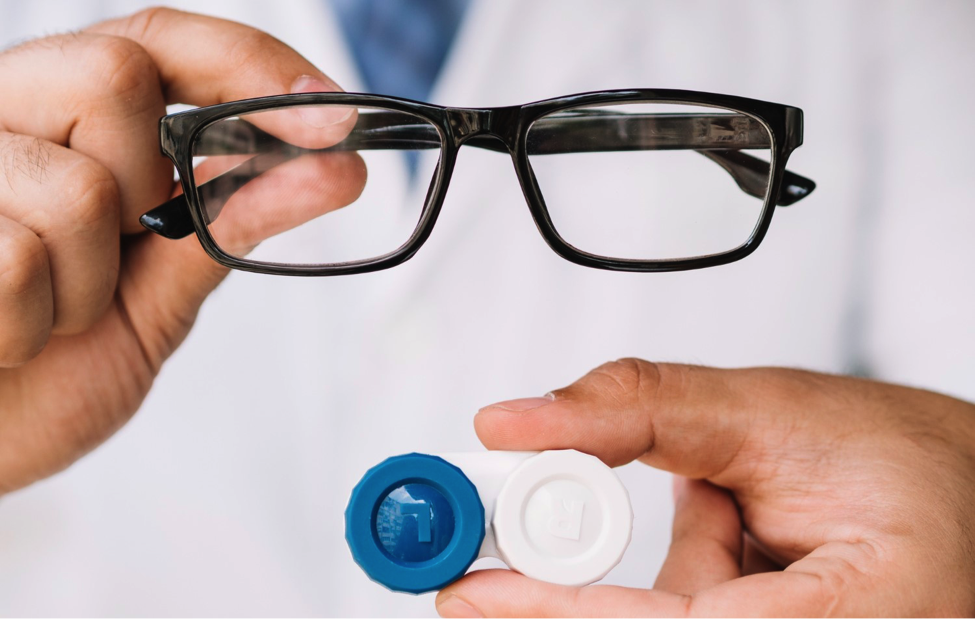
Some situations make this choice more difficult. Astigmatism used to mean that glasses were the real option. Now toric lenses have filled that gap. So choosing between contact lenses for astigmatism and glasses really comes down to lifestyle not to how the correction works.
Heavy screen users face a tradeoff. Eye strain and long screen time already cut down the blink rate. Lenses can make the resulting dryness worse by the end of the day. Glasses may feel more comfortable during long screen sessions for people whose contact lenses worsen dryness, while regular breaks, blinking, and appropriate vision correction can also help with digital eye discomfort.
There is no winner here. The right choice depends on what your day looks like not on what is trending on a reel this month.
How to Decide What’s Right for You
So how do you decide between glasses and contact lenses when both help you see clearly? Begin by looking at the health of your cornea not what you see on media. If you have eyes naturally you have had infections before or you are in air conditioning most of the time glasses are probably better for your eyes in the long run. If you are active you don’t have allergies and you are careful with cleaning contacts can work fine for you.
Honestly most people don’t have to choose one for good; many people wear glasses at home. Contacts for special times. What is more important is getting an eye check instead of making a guess. If you are not sure which choice is right for your cornea, a check from a specialist such as Dr Nihar Garg can help. Because your eyes deserve more, than a choice made at the checkout counter.
Other Articles You May Find of Interest...
- Contact Lenses vs. Glasses: What Your Cornea Health Should Decide
- 7 Signs Your Child Needs a Pediatric Eye Doctor Right Away
- Finding the Best Place for Dry Eye Therapy Treatment in North York
- The First Signs of Pink Eye and What to Do Next
- How to Measure Your Pupillary Distance With a Ruler
- Beyond Cataract Surgery: A Midyear Review of Changing Eye Care
- Ortho-K for Children: What Parents Should Know About Myopia Management





