






More Medication Articles
GaviLyte-C vs. GaviLyte-G: What’s the Difference?
By Your Health Magazine Health Information Team
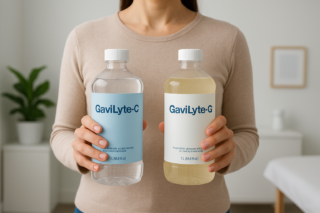
The main difference between GaviLyte-C and GaviLyte-G is the precise amount of polyethylene glycol 3350 and each electrolyte in the container. Both are prescription, 4-liter bowel preparations containing the same five active ingredients, and both are used to cleanse the colon before a colonoscopy or barium enema examination. Their formulations are extremely similar, but they are not identical, so use the product prescribed and follow the instructions provided with that specific container.
GaviLyte-C vs. GaviLyte-G at a Glance
| Feature | GaviLyte-C | GaviLyte-G |
|---|---|---|
| Purpose | Bowel cleansing before colonoscopy or barium enema | Bowel cleansing before colonoscopy or barium enema in adults |
| Prepared volume | 4 liters | 4 liters |
| PEG 3350 per container | 240 grams | 236 grams |
| Sodium sulfate | 22.72 grams | 22.74 grams |
| Sodium bicarbonate | 6.72 grams | 6.74 grams |
| Sodium chloride | 5.84 grams | 5.86 grams |
| Potassium chloride | 2.98 grams | 2.97 grams |
| Optional flavor | Supplied with a lemon flavor pack | May be prepared with a lemon flavor pack |
These figures come from the current GaviLyte-C prescribing information and GaviLyte-G prescribing information. The labels were reviewed for this comparison in September 2026.
Do the Small Ingredient Differences Matter?
For most patients, the practical experience is similar. In both products, polyethylene glycol 3350 holds water in the colon, producing watery bowel movements that empty the bowel. The sodium and potassium salts help create a balanced solution while the bowel is being flushed.
The additional 4 grams of PEG 3350 in GaviLyte-C and the very small electrolyte differences do not mean that one product is stronger, safer, or more effective for every patient. Both formulations are designed for the same general procedure-preparation purpose. The letters “C” and “G” identify different products; they are not grades of quality.
Because the products have separate formulations and labeling, however, they should not be treated as interchangeable containers at home. Do not transfer powders or flavor packets between products, combine preparations, or substitute one for the other without confirmation from the prescribing clinician or pharmacist.
Are the Preparation Instructions the Same?
Both products come as powder that must be mixed with water to the marked 4-liter fill line. Both can produce bowel movements relatively quickly and may require the patient to remain close to a bathroom for several hours.
Specific schedules can vary according to the procedure time, the gastroenterology practice and the individual’s health history. The instructions from the procedure team should take priority over general directions found online. In particular:
- Do not swallow the powder before it has been properly mixed.
- Do not add unapproved flavorings, thickeners or other ingredients.
- Follow the care team’s directions about solid food and permitted clear liquids.
- Ask how to manage prescription drugs, over-the-counter medicines and supplements. Rapid bowel emptying can reduce the absorption of oral medications.
- Keep the prepared solution refrigerated and discard it according to the product instructions.
General information about polyethylene glycol-electrolyte preparations and other medicines is available through the MedlinePlus drug information library.
Which Product Is Better?
Neither GaviLyte-C nor GaviLyte-G is automatically the better choice. Selection may depend on what the clinician prescribed, the exact preparation protocol, pharmacy supply and insurance coverage. Their taste and tolerability are generally influenced more by the large volume, salty solution and bowel-cleansing effect than by the small differences in ingredient quantities.
If the pharmacy dispenses a name different from the one shown on the procedure instructions, verify the product with the pharmacist or gastroenterology office. Do not assume that directions written for one bowel preparation apply to every other brand or formulation.
These products are intended for bowel cleansing before a medical examination. They should not be used as routine treatments for constipation or unexplained diarrhea unless a healthcare professional specifically directs their use. Bowel-preparation diarrhea is intentional and temporary; digestive symptoms occurring at other times may have unrelated causes. For additional digestive health information, read about the possible connection between acid reflux and diarrhea.
Side Effects and Important Precautions
Common effects of either preparation can include nausea, abdominal fullness, bloating, cramping, vomiting and irritation around the rectum. Mild fullness and cramping may occur as the bowel fills with liquid, but severe or persistent symptoms deserve medical attention.
Although PEG-electrolyte solutions are formulated to limit major fluid and mineral shifts, serious dehydration or electrolyte abnormalities can occur. These problems may contribute to kidney injury, seizures or abnormal heart rhythms. Before beginning the preparation, make sure the prescribing team knows about:
- Kidney disease or reduced kidney function
- Heart failure, an irregular heartbeat or a history of prolonged QT interval
- Previous seizures or low blood sodium, potassium, calcium or magnesium
- Difficulty swallowing, an impaired gag reflex or a tendency to aspirate
- Inflammatory bowel disease or severe active intestinal symptoms
- All prescription and nonprescription medicines, particularly diuretics, anti-inflammatory pain relievers and medicines that affect kidney function or electrolytes
Both products are contraindicated in certain serious gastrointestinal conditions, including known bowel obstruction, bowel perforation, gastric retention, ileus, toxic colitis and toxic megacolon. Anyone with suspected obstruction or perforation requires medical evaluation rather than self-administered bowel preparation.
When to Seek Care
Contact the gastroenterology or procedure team promptly if you cannot keep the preparation down, cannot complete it as directed, have repeated vomiting, develop severe abdominal pain or distention, or show signs of dehydration such as marked dizziness, faintness or very little urination.
Seek emergency care for trouble breathing or swallowing, swelling of the face or mouth, collapse, a seizure, severe confusion, chest pain, a markedly irregular heartbeat or significant rectal bleeding. These are not expected parts of routine bowel preparation.
Bottom line: GaviLyte-C and GaviLyte-G perform the same type of bowel-cleansing job and contain the same active ingredients, but their exact quantities differ slightly. Use the product actually dispensed, follow its instructions and the procedure team’s schedule, and ask a pharmacist or gastroenterology professional before making any substitution.
Other Articles You May Find of Interest...
- How Long Does Arm Pain Last After a Hepatitis B Vaccine?
- GaviLyte-C vs. GaviLyte-G: What’s the Difference?
- Is GaviLyte the Same as GoLYTELY? Key Differences
- How Long Does Zoloft Withdrawal Last?
- How Long Does GoLYTELY Take to Work?
- Is Benadryl the Same as ZzzQuil? Key Differences to Know
- Lactaid Original vs. Fast Act: What’s the Difference?




