Your Health Magazine Contributor
4201 Northview Drive
Suite 102
Bowie, MD 20716
More Health & Wellness Tips Articles
Your Body Starts Healing Before the First Incision. Here’s Why That Matters.
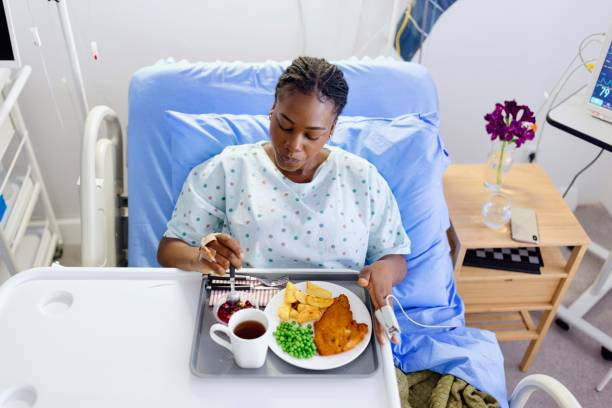
Most people preparing for surgery spend the majority of their mental energy on what happens after: the downtime, the aftercare instructions, the recovery timeline. What far fewer people think about is that the weeks before surgery are just as consequential as the weeks after. Understanding what to eat before surgery is one of the most overlooked parts of surgical preparation, and it’s one of the few variables entirely within your control.
The concept behind this is called prehabilitation, or prehab. And it’s changing how patients prepare for planned procedures.
What Prehab Actually Means
Prehab isn’t a fitness trend or a niche protocol for elite athletes. It’s a straightforward idea: if your body is in better condition going into a procedure, it has more to work with coming out of one. The same way you wouldn’t run a marathon without training, entering surgery without building up your body’s nutritional reserves means starting the recovery process already behind.
Surgery — even elective, planned surgery — is a significant physiological event. The body’s response to an incision, to anesthesia, and to the repair process that follows places real demands on its nutritional stores. Protein is required for tissue rebuilding. Certain vitamins and minerals are central to how wounds close and how the immune system responds in the days that follow. These aren’t resources the body manufactures on demand — they need to be present when the demand arrives.
The Problem With Waiting Until After
Here’s the disconnect that catches a lot of patients off guard: the period when your body needs the most nutritional support is often the period when appetite is lowest. The first several days after surgery, many people have little interest in eating — between the effects of anesthesia, pain medication, and general discomfort, food is rarely a priority. But that’s exactly when the healing process is most active.
Patients who enter surgery with solid nutritional reserves are in a fundamentally different position than those starting from a depleted baseline. They’re not trying to replenish and repair simultaneously. The resources are already there. That head start has a real relationship with how smoothly the early recovery window goes.
Why Timing Is the Variable Most Patients Underestimate
The prehab window isn’t the day before surgery. Meaningful nutritional preparation takes time. It’s not necessarily months, but it can take weeks. Building up protein status, supporting immune readiness, and ensuring adequate levels of key micronutrients are goals that respond to consistency over a few weeks, not a last-minute dietary adjustment.
This matters practically because many patients book consultations, set a surgery date, and then focus almost entirely on logistics, including arranging time off, setting up their recovery space, and coordinating support, without giving much thought to how they’re eating in the weeks between. By the time the surgery date is close, the preparation window has largely passed.
Starting early is simply more effective than starting late. And for patients undergoing more extensive procedures, such as combination surgeries, body contouring, anything with a larger area of tissue involvement, the window where preparation pays dividends is longer.
What Getting It Wrong Looks Like
The two most common mistakes patients make in the pre-surgery period pull in opposite directions.
The first is neglect. Not changing anything about diet or lifestyle in the weeks before surgery, on the assumption that what happens beforehand doesn’t affect outcomes. The research suggests otherwise.
The second is overcorrection, specifically, aggressive calorie restriction or crash dieting in the weeks before a procedure. For patients who feel pressure to lose weight before surgery, this instinct is understandable, but it tends to work against the goal of entering surgery well-nourished. A body that has been calorically restricted in the final weeks before a procedure is typically less prepared for the metabolic demands of healing, not more.
The goal of pre-surgical nutrition isn’t to dramatically change your diet overnight. It’s to make deliberate, targeted adjustments that give your body better raw materials to work with — and to start soon enough that those adjustments have time to matter.
The Bottom Line
Surgery is a planned event, which makes it different from most physical stressors your body encounters. That planning window is an opportunity, and it’s one that a surprising number of patients don’t realize they have. For a complete breakdown of how to use it, including which foods to prioritize, what to limit, when to start, and how the final hours before surgery work differently from the weeks leading up to it, this guide on what to eat before surgery covers the full picture.
Other Articles You May Find of Interest...
- How to Find a Better Time for Your Next Walk Outside
- Enjoying Screens Without Losing Yourself to Them
- Your Body Starts Healing Before the First Incision. Here’s Why That Matters.
- How Clothing Materials Affect Skin Comfort, Heat, and Everyday Health
- Daily Rituals and Stress: Where Astrology and Tarot Fit In
- How Long Should You Stay Home When You’re Sick?
- 5 Ways Wearing Sun-Protective Clothing Can Benefit Your Health