Your Health Magazine Contributor
4201 Northview Drive
Suite 102
Bowie, MD 20716
More Healthcare Careers Articles
Career Change at 30, 40 or Beyond: Breaking Into Fitness as a Second Act
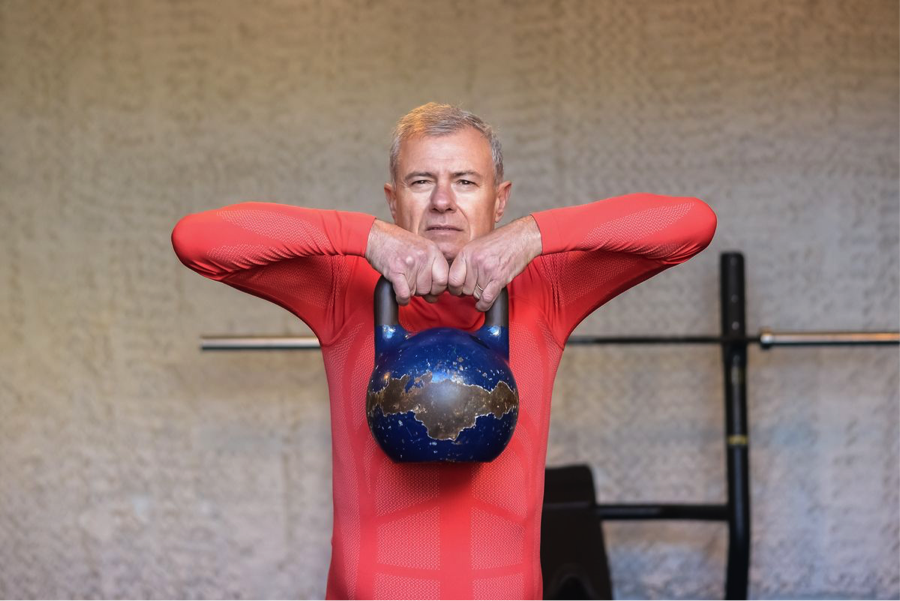
Source: https://www.pexels.com/photo/elderly-man-lifting-a-heavy-kettlebell-6922189/
Most people who think about becoming a personal trainer do it quietly, usually around the time they notice they have opinions about their own gym program that nobody asked for. They are thirty-four, or forty-six, sitting in an office job that pays fine and asks little of them beyond showing up, and they keep circling back to the same thought: what if this became the work, not just the thing that gets them through the work. If that sounds familiar, the good news is that fitness education in Australia has actually been built around people exactly like this, not just school leavers chasing a first job. A combined personal trainer qualification pathway through International Fitness Academy is one option that was designed with a career changer’s actual life in mind, and it is worth understanding what that really means before writing the idea off as impractical.
Is It Too Late to Start
Thirty feels late to some people. Forty-five feels borderline absurd to others. Neither is true, and the fitness industry is one of the few where age works in your favor rather than against it. A twenty-two-year-old trainer fresh out of a course can be technically excellent and still struggle to build trust with a fifty-year-old client managing a bad knee, a stalled metabolism and a demanding job. A trainer who has lived through some of that themselves does not need to fake empathy. They already have it. Career changers in their thirties and forties often find their first clients are people who look a lot like them: parents short on time, professionals rebuilding fitness after years of neglecting it, people who want a coach who understands why they skipped the gym for three weeks because work got ugly. That is not a consolation prize. It is a genuine market advantage, and it tends to surprise people who assumed youth was the industry’s only currency.
What the Study Actually Looks Like
The honest answer to “how do I retrain while still working full time” is that it depends entirely on the course structure, and this is where a lot of career-change plans quietly fall apart. Full-time, campus-based courses assume you can drop your income for months, which most people with a mortgage or kids simply cannot do. Self-paced online delivery solves a different problem: it lets study happen in the gaps that already exist in a working life, early mornings, lunch breaks, a couple of hours after the kids are down. International Fitness Academy, an RTO based on the Sunshine Coast, structures its combined Certificate III and Certificate IV in Fitness this way, with support from industry professionals available during business hours when a student gets stuck rather than leaving them to work it out alone at midnight. The academy has taught more than 33,900 students across 35-plus countries and logged over 92,000 completed courses, and by its own account the mix has always included as many people restarting their careers as people starting their first one. That matters less as a statistic and more as a signal that the format has been stress-tested by people juggling exactly what you’re juggling.
A Realistic Timeline From Enrolling to Earning
This is usually the part people most want a straight answer on, so here it is. The combined package covers 33 units of competency and is designed to be completed within twelve months, though the pace is genuinely up to the student. The structure itself is the clever part: the Certificate III qualifies you to work as a gym instructor, which means you can be earning an income in that role while you continue on to the Certificate IV, the qualification that lets you work as a fully certified personal trainer. In practice that means the goal is not one long silent stretch of study followed by a launch. It is closer to a staged entry, where the early income and hands-on floor experience feed directly into the later stage of the course. Nobody should expect to be running a full client roster in month two, but the framework is built so you are not waiting a full year before anything in your bank account changes.
The Skills You Already Have Are Not Wasted
One of the more persistent myths about switching into fitness is that everything from your old career becomes irrelevant, as if you are trading in one identity for a completely different one. That is rarely how it goes. Years managing a team hand you the ability to hold someone accountable without being harsh about it. Sales experience teaches you how to read a person’s hesitation and address it plainly instead of pushing past it. Admin-heavy jobs, the kind everyone complains about, build the exact organisational discipline that separates a trainer who tracks client progress properly from one who is winging it every session. Coaching, in the end, is a people business wearing gym clothes, and the interpersonal instincts built over a decade in an unrelated field often matter more to client retention than any single exercise cue.
Making the Decision With Clear Eyes
None of this is a promise that changing careers will be easy, and anyone telling you otherwise is selling something. It will mean early mornings, some study fatigue, and a stretch where you are doing two things at once instead of one. But the barrier is lower than most people assume, the timeline is more staged than people fear, and the life experience that feels like baggage from an old career is often the very thing that makes a good trainer. If the idea has been sitting in the back of your mind for longer than you’d like to admit, that alone is usually worth paying attention to.
Other Articles You May Find of Interest...
- Career Change at 30, 40 or Beyond: Breaking Into Fitness as a Second Act
- AI Interview Answer Generators for Healthcare Jobs: 10 Tools Compared
- Residency Interview with AI: How Artificial Intelligence Is Changing Interview Prep for Medical Students
- 6 Reasons Health & Social Care Is the UK’s Most Stable Career Right Now
- What Is Pre-Nursing and Is It Worth It
- How to Find the Right Designated Prescribing Practitioner (DPP): 6 Essential Tips for Trainee Prescribers
- How to Grow Your Nursing Career Without Leaving the Job You Already Have