Your Health Magazine Contributor
4201 Northview Drive
Suite 102
Bowie, MD 20716
More Chronic Illness Articles
Why Dialysis Access Care Is an Important Part of Kidney Treatment
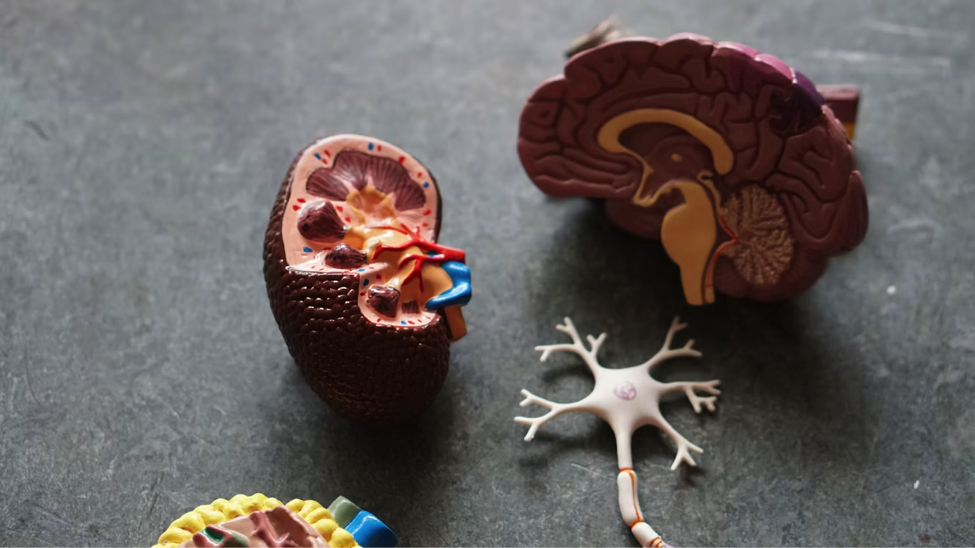
Dialysis can become an essential part of treatment when the kidneys are no longer able to remove enough waste and excess fluid from the blood on their own. People researching a Dialysis center in Virginia can use the Virginia Nephrology Group dialysis page to learn about dialysis access care, including the evaluation and treatment of fistulas and grafts used for hemodialysis in Virginia. Because reliable access to the bloodstream is necessary for effective hemodialysis, protecting and monitoring that access is an important part of ongoing kidney care.
Understanding the Purpose of Dialysis Access
During hemodialysis, blood must travel from the body to a dialysis machine, where waste products and excess fluid are removed before the filtered blood is returned. A vascular access provides the pathway that allows enough blood to move safely between the patient and the machine. Without dependable access, completing treatment efficiently can become more difficult.
Several forms of vascular access may be used depending on a patient’s health, blood vessels, and treatment circumstances. Arteriovenous fistulas and grafts are commonly used for ongoing hemodialysis, while catheters may be used in certain situations. Healthcare professionals determine the most appropriate option based on individual medical needs and the expected course of treatment.
Why Healthy Blood Flow Matters
A dialysis access needs sufficient blood flow to support the filtering process during each hemodialysis session. When blood can move freely through the access, the dialysis machine can process the volume required to remove waste and excess fluid effectively. Changes in blood flow can therefore have a direct effect on how smoothly treatment proceeds.
Narrowing within a blood vessel, also known as stenosis, can reduce the amount of blood passing through the access. Clots can also develop and partially or completely block circulation through a fistula or graft. Identifying these problems early may allow healthcare professionals to intervene before the access becomes unusable.
Recognizing Changes in a Dialysis Access
People receiving hemodialysis often become familiar with how their access normally looks and feels. A functioning fistula or graft may have a noticeable vibration, often called a thrill, that can be felt beneath the skin. A change or disappearance of this sensation can indicate that blood flow has been affected.
Other changes may also deserve medical attention, including unusual swelling, discomfort, or problems with blood flow during dialysis sessions. These signs do not always mean that the access has failed, but they can provide a reason for further evaluation. Reporting unexpected changes promptly can help the care team determine whether testing or treatment is needed.
Preventing Problems Through Routine Care
Everyday care can play a role in protecting a dialysis access from avoidable complications. Patients are generally given instructions about keeping the area clean, watching for changes, and protecting the access arm from unnecessary pressure or injury. Following the specific guidance provided by the dialysis team is important because individual circumstances can differ.
Regular monitoring is equally important because some access problems may develop gradually rather than causing obvious symptoms immediately. Healthcare professionals can assess how well the access is functioning during treatment and investigate changes in blood flow when necessary. This ongoing attention can help identify potential concerns before they become more difficult to manage.
Treating Narrowing and Blockages
When a dialysis access develops a problem, the appropriate treatment depends on what is interfering with its function. Imaging and other diagnostic techniques can help healthcare professionals locate narrowing, clots, or additional abnormalities affecting circulation. Treatment can then focus on restoring adequate blood flow whenever possible.
Angioplasty may be used in certain cases to open a narrowed section of a blood vessel, while thrombectomy procedures can be performed to remove blood clots. These treatments are intended to restore or improve circulation through the existing access. The exact approach depends on the location and severity of the problem as well as the patient’s overall medical situation.
Protecting Access Can Support Treatment Continuity
Hemodialysis usually follows a regular treatment schedule, so reliable vascular access is especially important. If an access stops working properly, treatment plans may need to be adjusted while the problem is assessed and managed. Maintaining access function can therefore help reduce disruptions to scheduled dialysis care.
Preserving an existing access may also help avoid establishing another access sooner than necessary. Creating and preparing a new fistula or graft can require planning and time before it is ready for regular use. Careful monitoring and timely treatment of problems can help patients and healthcare teams make the most of a functioning access.
Communication Is Part of Good Access Care
Patients have an important role in communicating changes they notice between dialysis sessions. Because they interact with their access every day, they may recognize differences in appearance, sensation, swelling, or discomfort before the next scheduled treatment. Sharing these observations gives healthcare professionals additional information when evaluating access function.
Dialysis staff can also help patients understand what is normal for their particular access and which changes require attention. Asking questions about cleaning, activity, warning signs, and routine monitoring can make access care easier to manage at home. Clear communication helps make vascular access care a shared part of the overall treatment process.
Conclusion
Dialysis access is more than simply the connection used during a hemodialysis session; it is a critical part of making ongoing treatment possible. Understanding how an access works, protecting it in daily life, recognizing warning signs, and addressing blood flow problems promptly can all help maintain its function. By combining routine monitoring with appropriate medical care, patients and their healthcare teams can support reliable dialysis treatment while responding to access problems before they cause unnecessary interruptions.
Other Articles You May Find of Interest...
- Why Dialysis Access Care Is an Important Part of Kidney Treatment
- ITP vs. TTP: Two Platelet Disorders, Opposite Urgency
- The Beighton Score: Measuring How Flexible Is Too Flexible
- Treating IgG4-Related Disease Before It Scars
- An Autoimmune Symptom Checklist to Bring to Your Doctor
- Digital Tools Helping Chronic Disease Patients Stay on Track Between Visits
- NuvaRing and Its Potential Male Side Effects: What You Need to Know