More Everyday Living Articles
What’s Inside the Smelling Salts on Every Hockey Bench
By Your Health Magazine Health Information Team
A hockey player returns to the bench after a hard shift, lifts a small bottle toward the nose, and immediately pulls back with eyes wide open. It looks like an instant energy boost—but what produced that reaction? If you are wondering what is in smelling salts for hockey, the short answer is ammonia or chemicals that release ammonia gas. The sharp vapor irritates the nose and airways, triggering a brief reflex response rather than supplying energy or treating fatigue.
What Is in Smelling Salts for Hockey?
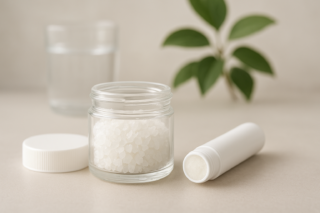
Despite the name, smelling salts are not ordinary table salt. Formulas vary by manufacturer and product type, but the ingredient responsible for the powerful odor is ammonia.
Traditional smelling salts were made primarily with ammonium carbonate, a crystalline compound that releases ammonia gas. Modern products commonly use one of two basic formulas:
-
Liquid ammonia inhalants: These may contain ammonia dissolved in water, sometimes at a concentration listed on the label as 15%. Alcohol may also be included.
-
Dry or activated products: Some contain compounds such as ammonium chloride and sodium carbonate. When combined with water, these ingredients react and release ammonia vapor.
Manufacturers may add peppermint, eucalyptus, lavender, lemon, nutmeg, or other aromatic oils. Dyes, cotton, glycerin, water, and absorbent crystals may also appear on ingredient lists. These additions can change the scent or hold the liquid, but ammonia remains the substance that creates the characteristic jolt.
Because formulas differ, the label matters. General information about medicines and their safe use is also available through MedlinePlus drug information resources.
Why Does Ammonia Make a Player Feel More Alert?
Ammonia is a strong irritant. When its vapor meets moisture in the eyes, nose, throat, and respiratory tract, it can form ammonium hydroxide, an alkaline substance that irritates these tissues. The body reacts quickly with tearing, coughing, a deeper breath, or an instinctive movement away from the odor.
This sudden sensory alarm can briefly increase arousal and make a tired player feel more awake. The experience may include faster breathing and a heightened sense of readiness. However, smelling salts do not restore depleted muscle fuel, correct dehydration, improve sleep loss, or reverse the physical effects of a demanding shift.
The sensation is usually short-lived. It is better understood as the body responding to an unpleasant chemical irritant than as a true source of energy.
Do Smelling Salts Improve Hockey Performance?
Players may use smelling salts because hockey requires short bursts of speed, rapid reactions, physical contact, and quick changes between intense effort and bench time. The ritual can also become part of a team’s pregame or between-shift routine.
Research on ammonia inhalants and athletic performance remains limited and inconsistent. Studies have examined measures such as strength, power, alertness, and repeated high-intensity exercise, but they have not established that smelling salts reliably improve overall sports performance. Feeling more activated does not necessarily mean that skating speed, decision-making, coordination, or strength has meaningfully improved.
There is also a difference between feeling ready and being physiologically recovered. Water, appropriate nutrition, conditioning, rest, and medically guided recovery strategies address actual performance needs in ways that an ammonia vapor cannot.
Smelling Salts Should Never Be Used for a Head Injury
The most important hockey-specific warning is that smelling salts are not a concussion test or treatment. An athlete who appears dazed, confused, unsteady, slow to respond, unusually emotional, or unable to remember a play may have a concussion or another serious injury.
Ammonia may temporarily make an injured player appear more alert without addressing what happened inside the brain. That brief response could create false reassurance, delay a proper neurological assessment, or contribute to an unsafe return to play. The sudden withdrawal or head movement caused by the irritating vapor may also be concerning when a neck injury is possible.
A player with a suspected concussion should be removed from play and evaluated by an athletic trainer, sports medicine physician, or another qualified healthcare professional. The player should not return the same day or until medically cleared. For more detail, read the science behind smelling salts and their effects on the body.
Possible Side Effects and Health Risks
Brief exposure may cause temporary symptoms, but risk depends on the product’s concentration, how it is handled, how deeply the vapor is inhaled, and whether exposure is repeated. Possible effects include:
-
Burning or watering eyes
-
Nasal or throat irritation
-
Coughing, sneezing, or gagging
-
Headache, dizziness, or nausea
-
Chest tightness, wheezing, or shortness of breath
-
Skin, eye, or nasal burns after direct or concentrated contact
People with asthma, emphysema, or other chronic respiratory conditions may be particularly sensitive to ammonia. A strong exposure can narrow the airways and make breathing difficult. Repeated exposure may also prolong irritation, while an open or leaking container can expose nearby teammates and staff.
Smelling salts should not be swallowed, applied to the skin, placed inside the nostrils, or allowed to contact the eyes. Containers should be kept away from children and handled according to the product label. The U.S. Food and Drug Administration has also warned consumers about certain unapproved ammonia inhalants marketed with unsupported claims that they boost energy or alertness.
When to Seek Care
Stop exposure and move to fresh air if ammonia vapor causes persistent coughing, burning, dizziness, or breathing discomfort. Prompt medical evaluation is appropriate for wheezing, chest tightness, ongoing shortness of breath, severe eye pain, vision changes, facial swelling, or suspected chemical burns. Call emergency services for severe difficulty breathing, collapse, seizure, or loss of consciousness.
After a hit to the head or body, emergency evaluation is needed for a worsening headache, repeated vomiting, increasing confusion, slurred speech, weakness, seizure, unequal pupils, unusual drowsiness, or difficulty waking the player. Do not use smelling salts to try to determine whether the athlete is safe.
The Bottom Line
What is in smelling salts for hockey? Most contain ammonia directly or ingredients that generate ammonia vapor, along with water, alcohol, fragrance oils, or other inactive materials. The vapor produces a brief feeling of alertness by irritating the respiratory tract and triggering a reflex response. It does not provide real energy, guarantee better performance, or treat concussion. Understanding what is inside the container helps players, parents, and coaches separate a dramatic bench ritual from sound sports medicine.
Other Articles You May Find of Interest...
- Why Vancouver’s Humidity Can Make Leather Seats Sticky—and Why Interior Cleanliness Matters
- Comfort Is a Design Decision: How Profile Shape Changes the Way a Ring Wears
- What’s Inside the Smelling Salts on Every Hockey Bench
- What Fresh Flowers Do for a Room (and a Mood), and How to Keep a Bouquet Alive Twice as Long
- Do Bed Bugs Bleed? The Stains on Your Sheets Explained
- How Shared Meals and Interactive Dining Can Create More Meaningful Social Gatherings
- Why Alcohol Makes You Sweat, and When to Worry