






Your Health Magazine Contributor
4201 Northview Drive
Suite 102
Bowie, MD 20716
More Consumer Health Guides Articles
Why Packaging Is a Vital Part of Consumer Health and Wellness
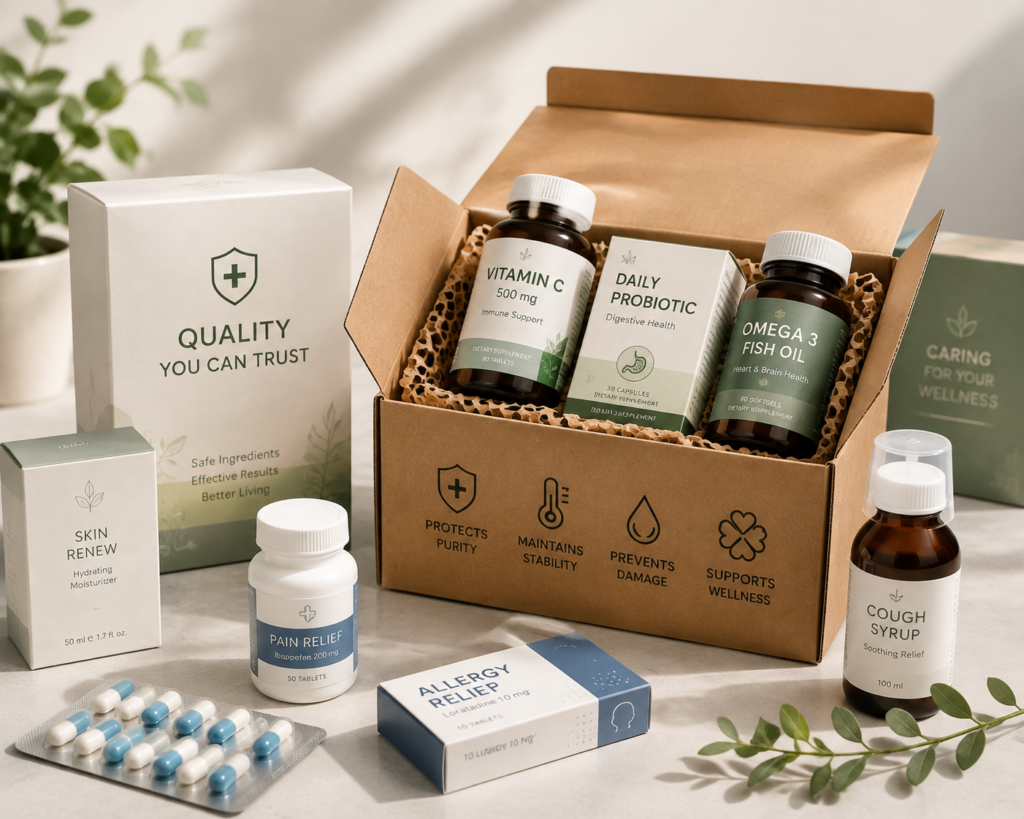
When shopping for vitamins, supplements, skincare products, or over-the-counter (OTC) medicines, many people compare ingredients of different brands, read reviews, or choose brands they already know or have used medicines from.
Imagine you are standing in the health aisle comparing two bottles of the same vitamin. Both contain similar ingredients and promise the same benefits. Then you notice that one bottle has a broken safety seal, a faded label, or an expiry date that is only a few days away. At this moment, packaging warns you and helps you in making the right decision.
Packaging does not provide a product room for sitting. It protects products from moisture, light, contamination, and damage during shipping and storage, along with giving customers all important information such as expiry dates, what amount is safe to take, where to store, ingredient lists, and tamper-evident seals.
The U.S.A Food and Drug Administration (FDA) puts stress on customers to read product labels carefully and make sure all companies follow the label requirements properly, for consumer safety. Well, this is not just shopping advice. The World Health Organization (WHO) also points out that proper packaging and labeling help in keeping medical products in good condition throughout the supply process and lessen the risks linked to poor-quality and counterfeit products.
In this article, you will learn why packaging is important in protecting product safety and effectiveness, how labels and safety features help you make informed purchasing decisions, what warning signs indicate a product should be avoided, and last but not least, why sustainable packaging is becoming a favorite of all consumers and health and wellness.
What is the Role of Packaging in Health and Wellness?
If you order a bottle of probiotics during the middle of summer, it does not reach the medicine cabinet directly from the factory. The package sits in a hot delivery truck, then spends another afternoon on your doorstep before you take it inside with you.
During all that time, heat, moisture, and rough handling can damage the products that are sensitive to their surroundings. This is the reason why manufacturers focus so much on the packaging they use. It is part of keeping many health products in good condition until they are used.
Quality packaging is made to block heat, moisture, and light from damaging the product. It depends on the product. Manufacturers use sealed bottles, blister packs, airtight containers, or light-protective materials when needed to help keep products stable until the expiration date.
As it travels, the need for packaging increases as products have to move through warehouses, shipping centers, retail shelves, and then, after so long, reach consumers’ homes. If the packaging is not strong enough to withstand that journey, the product may be damaged by drops, pressure, vibration, or temperature changes along the way.
For some products, protection is highly important, such as:
- Dietary supplements
- Over-the-counter medications
- Medical devices
- Creams and lotions
- Protein powders
Although packaging cannot fix poor manufacturing problems, it still helps in keeping the products in good condition after it leaves the factory by reducing the effects of heat, moisture, and air that could reduce the quality.
Why Does Clear Packaging Information Support Better Health Decisions?
Think about the last time you purchased a vitamin or pain reliever. There is a high chance that you turned the bottle over before buying it. In just a few seconds, you probably looked for the expiry date, the ingredients list, or made sure it did not contain anything you are allergic to. Those quick checks are how safe purchases are made.
Product labels are designed to answer all the questions a buyer should know before using a health and wellness product. No matter how in a rush you are, taking a moment to read them can help you know:
- What ingredients does the product contain?
- When it expires
- How and where to store it (temperature and location)
- The recommended dosage (potency and quantity)
- Allergy warning (if any)
- Manufacturer details
- The batch or lot number
Some of this information needs closer attention than others. Expiry dates, for example, are more than just extra information. The U.S Food and Drug Administration (FDA) strongly advises consumers not to purchase a product that shows a past expiry date, as those dates are mentioned after stability testing that shows how long the product is expected to work well when you store it as directed.
This points out that storage information is also very important. You should not ignore it. Imagine leaving a probiotic supplement in a hot car for several hours or storing it in a humid bathroom when the label clearly says to refrigerate or keep it in a cool, dry place after opening. Even a well-formulated product fails to perform as mentioned if it is not kept under the conditions specified by the manufacturer.
Finally, do not overlook a batch or lot number. If a manufacturer or the FDA announces a product recall, this number helps you find out whether the item you already have is affected or not. It is a small detail that can make a big difference when product safety notices are issued.
Remember, it takes less than a minute to read a label, and sometimes it saves you from big accidents and life hazards. If you follow the instructions properly, it helps you use health products more safely and confidently.
How Does Packaging Help Consumers Identify Authentic Products?
Counterfeit health products continue to be a problem. Fake supplements, cosmetics, and medicines that contain incorrect ingredients, improper dosages, or contaminants are risky enough to put your health at risk. For this reason, consumers should take a closer look at the product packaging carefully before purchasing it.
One of the first things to inspect is the tamper-evident seal. If a bottle looks open, its seal is broken, or protective wrapping is missing, the safest choice is not to use such a product.
Consistency also matters. Consistent branding, labeling, and security features may help consumers notice packaging that looks unusual, although appearance alone cannot confirm whether a product is authentic. Only appearance alone cannot verify authenticity. If you find any unexpected differences in packaging quality, you should take a closer inspection to the packaging.
Manufacturers also use standardized packaging elements, including custom boxes with logos, to help consumers recognize authentic products and distinguish them from imitations. When combined with tamper-evident features, accurate labeling, lot numbers, and authorized retail distribution, consistent packaging supports product identification.
If you further feel something fishy, you can follow these steps to reduce your risk:
- Purchasing from reputable retailers and licensed pharmacies.
- Comparing labels with images shown on official manufacturer websites.
- Checking for intact safety seals.
- Avoid products with blurry printing, missing information, or obvious packaging defects.
These simple habits help you build confidence while lowering the risk of purchasing fake products.
Sustainability Is Becoming Part of Consumer Wellness
Many shoppers now think about minimizing the use of every product that affects the environment alongside personal health when selecting products. As a result, sustainable packaging is becoming a more important part of the health and wellness industry.
Manufacturers are looking for ways to cut the unnecessary packaging while keeping the product in good condition. Some companies are using recyclable materials, paperboard, lighter packaging designs, and reducing excess plastic.
One thing should be clear here: that sustainable packaging should not come at the cost of product safety. Instead, the goal is to reduce waste while maintaining the protection needed for sensitive health products.
For consumers, choosing responsibly packaged products can support broader environmental health goals while encouraging companies to continue improving their packaging and reducing wastes.
Practical Tips for Buying Health and Wellness Products
Packaging provides valuable information, but consumers should know how to use it effectively when shopping.
Before purchasing any health or wellness product:
- Check the date of expiry.
- Inspect tamper-evident seals for signs of opening.
- Read ingredient lists and dosage instructions carefully to know about allergens and their amounts.
- Do not ignore storage conditions.
- Only purchase from trusted retailers and licensed pharmacies.
- Avoid products with damaged, leaking, dented, or poorly printed packaging.
- Keep products in their original containers whenever possible to keep important labeling information.
This simple checklist takes only a few minutes but can save you from avoidable risks and safer use.
Final Words
Packaging receives less attention than ingredients or health claims, but it helps in customer safety and judging product quality. It keeps products safe from getting damaged due to heat, air, and light. Also, it provides important product instructions, supports product identification, and allows consumers to find out warning signs, if any, before purchase.
No package alone can ensure that a product is safe or appropriate to use. However, proper packaging, manufacturing, accurate labeling, and informed purchasing decisions can all contribute to safer product selection and use.
Other Articles You May Find of Interest...
- Best Earrings for New Ear Piercings: Materials, Fit, and Style
- How Product Packaging Impacts Consumer Health and Safety
- Finding an Emergency Plumber Near Me: Protecting Your Home and Health During a Plumbing Emergency
- Top 3 Plumbing Leak Repairs That Every Homeowner Should Master
- Hydrojet Drain Cleaning: Essential Maintenance Guide for Homeowners
- How Timely Garbage Disposal Repair Service Prevents Kitchen Disasters
- How Timely Sewer Drain Line Repair Prevents Costly Damage





