






More Hair Care Articles
How FUE And FUT Hair Transplants Address Different Hair Loss Patterns

Hair loss affects millions of people worldwide, causing both physical changes and emotional distress. Fortunately, modern restorative procedures offer reliable, permanent solutions for thinning hair. If you are considering a permanent solution to hair loss, securing a professional FUE hair transplant in London is one of the most effective steps you can take. Understanding the distinction between Follicular Unit Extraction (FUE) and Follicular Unit Transplantation (FUT) is essential for achieving the best results. Each method addresses specific patterns of hair loss, depending on the extent of thinning, scalp elasticity, and your personal lifestyle preferences. This guide highlights how these two primary techniques restore natural hair growth.
The Technical Differences Between FUE and FUT
To make an informed decision, you must first understand how these two surgical methods differ in their extraction processes. FUE involves harvesting individual hair follicles directly from the donor area, which is typically the back and sides of the scalp. Surgeons use a specialised micro-punch tool to remove each graft one by one, leaving tiny, dot-like scars that are virtually invisible to the naked eye. This makes the technique highly popular for individuals who prefer to keep their hair short.
In contrast, the FUT method involves removing a thin strip of healthy, hair-bearing skin from the donor region. Technicians then dissect this strip under high-powered microscopes to isolate individual follicular units for implantation. This method leaves a linear scar across the back of the head, which is easily concealed by longer hair. Because the strip contains a high concentration of follicles, FUT often yields a large number of viable grafts in a single session. Both techniques require immense surgical precision, but they serve different clinical purposes based on the patient’s specific pattern of baldness and donor hair availability. While FUE offers a minimally invasive approach with rapid healing, FUT remains a highly efficient method for maximising graft survival, as the protective tissue around the follicles remains intact during dissection.
Treating Early-Stage Hair Loss and Receding Hairlines
For individuals experiencing early-stage hair loss, such as a receding hairline or mild thinning at the temples, FUE is often the preferred approach. This pattern of hair loss usually requires a smaller number of grafts to achieve a dense, natural-looking result. Because FUE allows for the selective harvesting of specific hair groupings, surgeons can choose the finest single-hair follicles to construct a soft, realistic hairline.
Choosing an FUE hair transplant in London allows patients to address localised thinning without undergoing a more invasive strip surgery. The procedure is highly customisable, making it ideal for filling in small patches or creating a subtle frame for the face. Furthermore, because there are no scalp sutures, the recovery period is remarkably short, allowing patients to return to their normal routines within a few days. This technique also suits younger patients whose hair loss patterns are still evolving, as it preserves donor hair for potential future procedures. By targeting precise areas of recession, surgeons can craft a bespoke treatment plan that blends seamlessly with the patient’s existing hair, ensuring that the final outcome looks completely natural from every angle. Furthermore, the lack of linear scarring gives patients the freedom to wear their hair in very short styles without worrying about visible marks.
Managing Advanced Baldness and Crown Thinning
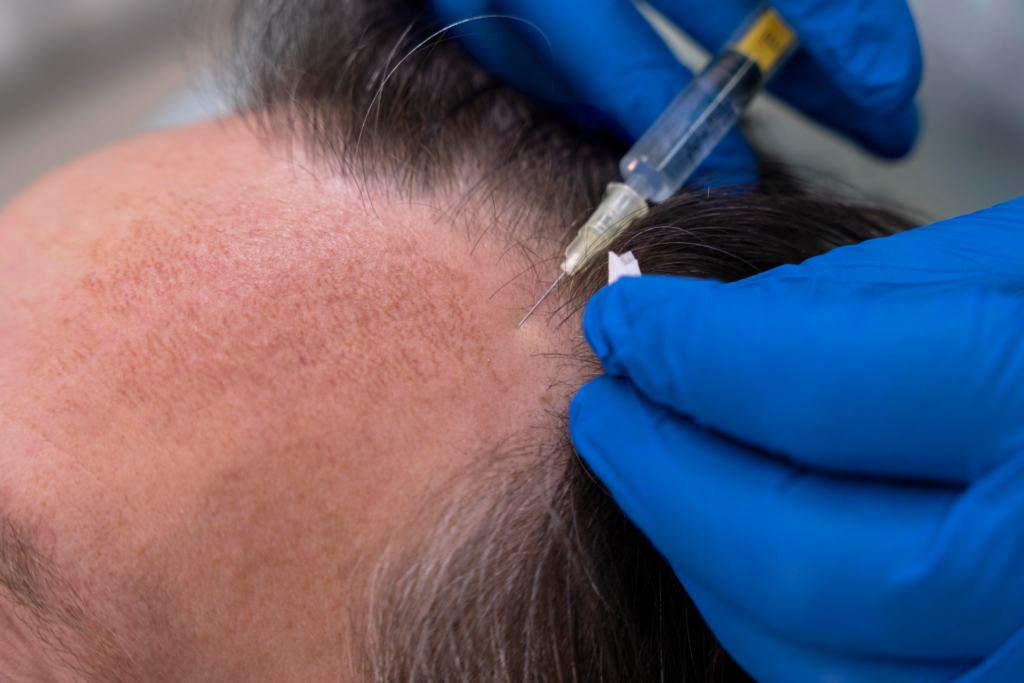
When hair loss progresses to advanced stages, such as extensive baldness across the vertex and crown, the surgical strategy must adapt. Patients with severe hair loss require thousands of grafts to achieve satisfactory coverage. In these scenarios, opting for an FUT hair transplant in London offers a distinct clinical advantage.
Maximising Graft Yield
The primary benefit of the strip method is its ability to harvest a massive volume of follicular units in a single session. Because the surgeon removes a continuous strip of scalp tissue, they can extract a higher density of healthy hair follicles without depleting the donor zone. This efficiency is crucial for patients who need extensive coverage over the entire top of the head.
Preserving the Donor Area
Additionally, FUT preserves the surrounding donor area for future procedures. If a patient’s hair loss continues to progress over time, they will still have intact donor regions available for subsequent harvesting. Trying to harvest the same number of grafts via FUE in a single session could lead to over-harvesting, resulting in a patchy, thin appearance at the back of the head. Therefore, for those facing significant hair loss, the strip method remains the gold standard for restoring density.
Assessing Donor Hair Characteristics and Scalp Laxity
The choice between these two hair restoration techniques does not rely solely on the pattern of hair loss; it also depends on the physical characteristics of your scalp. During an initial consultation, a specialist will thoroughly evaluate your donor hair density and scalp laxity. Scalp laxity refers to how loose or stretchable the skin is on the back of your head.
Patients with high scalp laxity are excellent candidates for an FUT hair transplant in London, as the wound edges can be closed easily with minimal tension, resulting in a fine, flat scar. Conversely, if a patient has a tight scalp, a strip extraction could cause discomfort and lead to a wider scar. In such cases, FUE becomes the safer and more comfortable alternative.
Furthermore, donor hair density plays a critical role. If a patient has sparse donor hair, individual extraction must be planned carefully. A skilled surgeon performing an FUE hair transplant in London will strategically harvest follicles to avoid visible thinning in the donor zone. Ultimately, a thorough assessment of these physical traits ensures that the selected technique matches both the patient’s anatomical limits and their aesthetic goals, preventing complications and ensuring long-term satisfaction.
Evaluating Recovery Times and Patient Lifestyles
Another vital factor to consider when choosing between these procedures is your daily lifestyle and professional commitments. The recovery experience differs significantly between the two methods due to the nature of the incisions. FUE involves hundreds of tiny puncture wounds that heal rapidly, typically closing within forty-eight hours. Patients experience minimal post-operative discomfort and can usually resume light exercise within a week.
On the other hand, the linear incision from an FUT procedure requires stitches or staples, which remain in place for about ten to fourteen days. This requires a more cautious approach to physical activity. Patients must avoid heavy lifting or strenuous neck stretches during the initial weeks to prevent the scar from stretching.
For busy professionals or active individuals, the rapid healing of FUE is highly appealing. However, patients who wear their hair longer often choose FUT, as the surrounding hair immediately conceals the linear scar, and there is no need to shave the entire head before the procedure. By aligning the surgical method with your daily routine and personal styling preferences, you can ensure a smooth, stress-free recovery process that fits comfortably into your life.
Final Thoughts
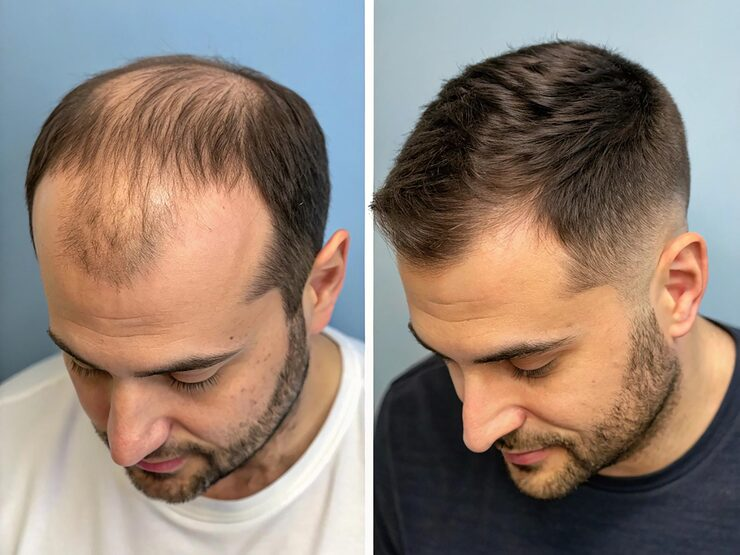
Both FUE and FUT are highly successful methods for combating hair loss, each offering distinct advantages tailored to different stages of hair thinning. While FUE is ideal for minor hair restoration and those seeking a quick recovery with minimal scarring, FUT remains the superior choice for addressing extensive baldness that requires maximum graft numbers. Consulting with a qualified specialist is the most reliable way to determine which technique aligns with your unique hair loss pattern, scalp characteristics, and lifestyle. By understanding how these procedures address different patterns of hair loss, you can make a confident decision and achieve natural, lasting results that restore your hair and your self-esteem.
Other Articles You May Find of Interest...
- How Long Does Rosemary Oil Take to Grow Hair?
- How Alopecia Areata, Totalis, and Universalis Differ in Progression and Unpredictability
- Is a Hair Transplant Worth the Cost? What to Consider First
- Why Leg Hair Can Grow Curly, Kinked, or Suddenly Different
- A Widening Part: The First Sign of Thinning Hair
- No-Shave FUE: A Less Invasive Approach To Hair Transplant Surgery
- What to Look for in a Transparent, Doctor-Led Hair Transplant Clinic





