More Essential Business Tools For Marketing Healthcare Articles
GPT Photo Editor Boundaries for Health Content Teams
Health imagery carries more weight than ordinary lifestyle content. A brighter complexion can imply recovery. A removed mark can hide a symptom. A cleaner clinic background can make a location appear more capable than it is. A gpt photo editor can help with layout and presentation, but it cannot decide whether an altered image remains medically honest.
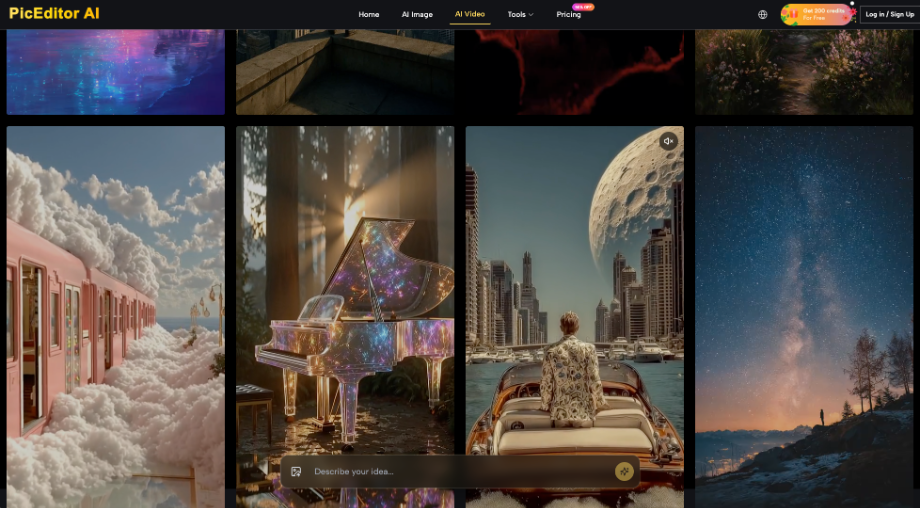
PicEditor AI allows users to upload a reference, describe a change, select output settings, and generate a new image. The workflow is simple enough for a content desk. The approval standard should be harder: no generated change may invent a diagnosis, treatment result, body feature, professional credential, or clinical setting.

Health Images Fail When Polish Changes Meaning
The main risk is not an obvious fantasy image. It is a plausible adjustment that shifts the reader’s conclusion. Teams should identify meaning-bearing details before editing and treat them as locked content.
Protect Bodies Symptoms and Treatment Results
Do not remove rashes, scars, swelling, lines, assistive devices, or treatment effects from an image presented as documentary. Do not strengthen them for drama either. Before-and-after images require consistent capture and clear documentation; a generated version should not substitute for either endpoint. If appearance is part of the claim, cosmetic generation is the wrong tool.
Keep Credentials Devices and Settings Accurate
A model may redraw a badge, monitor, medicine label, instrument, or room sign. Those details can imply a specialty, product approval, location, or standard of care. Lock them in the prompt and inspect them after generation. When they are not essential, a licensed generic illustration may be safer than editing a real clinical photo.
Separate Labeled Illustration from Documentary Health Photography
A generated wellness illustration can be useful when it is presented as illustration. A patient story or treatment photograph makes a different promise. Label the asset type in the brief and in the publication record. Readers should not have to infer whether a scene, body, or result was generated.
This distinction should survive syndication and social sharing. Put the label in the caption and asset metadata, not only in surrounding article copy. If a partner site removes context, the image should still not imply that a generated person is a real patient or that a fictional clinic delivered a real outcome.
Use Prompt Editing for Presentation Repairs
Lower-risk tasks change the container rather than the health claim. Examples include fitting an approved illustration into a social card, cleaning a non-clinical backdrop, or creating a neutral header from licensed source material. Even then, request one change and preserve the rest.
Name the Editable Area and Locked Details
A prompt might read: “Extend only the plain wall on the right to fit a wide article header. Keep the person, skin, clothing, medical device, logo, lighting, and left side unchanged.” PicEditor AI supports aspect ratios, resolutions from 1K to 4K, and one to four outputs. The reviewer should compare the complete frame, not only the new background.
Keep Medical Text Outside Generated Pixels
GPT Image 2 can generate and edit images with high-fidelity inputs and flexible sizes, and its current generation is stronger at text. That does not turn generated lettering into approved health copy. Add dosage, risk, attribution, contact, and disclaimer text in the normal publishing tool, where it can be proofread, updated, and made accessible.
Use Private Settings Only After Permission
The interface includes Public Visibility, and paid plans list private generation. A photo editor AI setting cannot grant consent. Obtain the necessary rights and permissions before upload, remove unnecessary personal information through an approved process, and follow the organization’s privacy and vendor rules.
Use public, licensed, non-sensitive material for initial tests. A successful test on a stock wellness image does not automatically authorize patient photographs or internal clinical material. Any broader use needs a separate decision from privacy, legal, and security owners, with the data route documented before the first upload.
Build a Three-Person Release Check
Health content needs more than a visual reviewer. Assign three distinct questions so one person’s enthusiasm does not override medical, rights, or editorial concerns.
Clinical Reviewer Checks Meaning and Accuracy
The clinical reviewer confirms that anatomy, symptoms, devices, setting, and treatment implications remain accurate. They should reject any output that makes a person look healthier, sicker, younger, thinner, or more “ideal” when that shift is not the declared purpose of a fictional illustration.
Rights Reviewer Checks Consent and Ownership
This reviewer confirms permission for the source, people, trademarks, and intended channel. PicEditor AI’s terms require users to have the necessary rights and prohibit impersonation, private-information misuse, infringement, and deceptive content. Keep the approval with the asset rather than in an informal message thread.
Editor Checks Labels Context and Accessibility
The editor verifies the caption, disclosure, alt text, crop, and surrounding claim. The output must not imply that a stock or generated person used a product, received treatment, or achieved a result. Alt text should describe what readers need, not repeat promotional language.
All three decisions should be recorded against one asset identifier. If the image is resized or regenerated later, approval does not automatically carry forward. The new version returns to the reviewers because a ratio change, prompt revision, or model change can alter meaning-bearing details that were previously accepted.
| Review owner | Primary question | Automatic stop signal |
| Clinical | Did the image’s health meaning change? | Symptoms, anatomy, devices, or outcomes were altered |
| Rights | May this source and person be processed and published? | Consent, ownership, or privacy status is unclear |
| Editorial | Will readers understand what the image represents? | Generated content is presented as documentary fact |
Make the stop signal binding. A designer should not be asked to “try one more version” after consent fails, a clinical detail changes, or disclosure becomes unclear. Moving the asset to another model or prompt does not solve a task-level problem.
Limits for Generated Health Content Images
PicEditor AI is not a diagnostic device, clinical validator, consent system, or evidence archive. Generated edits may change areas beyond the requested detail. Do not use it to prove treatment results, reconstruct medical evidence, identify a condition, or create a real person’s endorsement. Human review cannot rescue a task that should never have entered generation.
Use PicEditor AI for Clearly Labeled Illustrations
The platform can help health publishers prepare format variants, neutral backgrounds, and clearly disclosed illustrations from authorized material. It is a poor fit when the image itself supports a diagnosis, outcome, identity, or clinical claim.
The restrained workflow is the credible one: lock meaning-bearing details, edit one presentation element, keep medical copy outside the pixels, and require clinical, rights, and editorial approval. When the audience could mistake generation for health evidence, use the original or commission a purpose-built illustration instead.
This boundary does not slow trustworthy publishing. It tells the team which low-risk visual tasks may move quickly and which claims require source photography, specialist review, or no image at all.
Other Articles You May Find of Interest...
- Telehealth SEO: the two constraints nobody writes about
- How To Create Ai Video For Clinic Waiting Rooms
- How to Make Your Dental Practice Stand Out From the Crowd
- Where Personalized Floral Visuals Fit in Healthcare Marketing
- How Search Shapes the Patient Journey
- What DTC Brands Can Learn From An Industry That’s Banned From Advertising
- Why Healthcare Brands Need a Specialist PR Strategy