More Infertility Articles
What Is HCG Testing and How Is It Used in Health Monitoring?
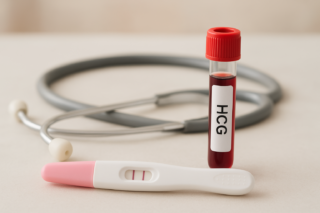
If you’ve ever taken a home pregnancy test, you’re already familiar with the idea of hCG testing. Human chorionic gonadotropin, or hCG, is a hormone produced during pregnancy. However, hCG tests aren’t just for confirming pregnancies. Medical professionals use these tests to monitor certain health conditions and track overall health.
The Role of HCG Testing in Health Monitoring
HCG testing is an important tool in various health scenarios. Beyond pregnancy, elevated hCG levels can indicate certain types of cancers, such as trophoblastic disease, a group of tumors involving abnormal growth of cells inside a woman’s uterus. Doctors may order hCG tests as part of a broader diagnostic process.
Moreover, hCG testing can assist in detecting ectopic pregnancies, a potentially dangerous condition where the fertilized egg implants outside the uterus. If you’re experiencing unusual symptoms that could be related to pregnancy or other hormonally influenced conditions, an hCG test might be a step your healthcare provider considers.
When to Seek Care
It’s crucial to contact a healthcare provider if you suspect a pregnancy but experience severe pain or bleeding, as these might indicate an ectopic pregnancy or other urgent issues. Women experiencing irregular menstrual cycles alongside nausea or bloating should also seek medical advice, as these could be signs of other conditions linked to elevated hCG levels.
Obstetricians and gynecologists (OB/GYNs) are typically involved in diagnosing pregnancy-related conditions, but for other health issues involving abnormal hCG levels, you may be referred to an oncologist or a specialist in reproductive health.
Real-World Considerations With HCG
Understanding how hCG interacts with your body can provide insight into what’s happening in your everyday life. If you’re using hCG injections for weight loss, it’s essential to communicate with your doctor, as the medical community is cautious about this use of hCG due to potential side effects and lack of evidence supporting its effectiveness for this purpose.
It’s important to consider lifestyle and dietary aspects when involved in hCG-related health monitoring. While some might consider working out at a gym beneficial, creating a comfortable workout environment at home can also enhance your fitness journey. Learn more about working out in a home gym space.
Common Questions About HCG Tests and Levels
What Happens If My HCG Levels Are Abnormally High?
If your hCG levels are higher than expected, your doctor may investigate further to rule out false positives due to hormonal imbalances, certain cancers, or even multiple pregnancies. Follow-up tests and imaging, like ultrasounds, will likely be discussed to get a clearer picture.
Is It Possible for HCG Levels to Fluctuate?
Yes, hCG levels can fluctuate. For instance, in early pregnancy, levels double every 48 to 72 hours. However, individual variation exists, so a single test can’t determine much. Continued monitoring might be necessary for a precise diagnosis.
When Should I Talk to a Doctor About HCG Concerns?
If you’re experiencing symptoms like nausea, vomiting, or abnormal bleeding, it’s time to see a healthcare provider for hCG testing and potential additional evaluations. This is especially important if these symptoms disrupt your daily routine or seem to worsen over time.
Can hCG Testing Affect My Day-to-Day Life?
Generally, hCG testing involves a simple blood test, which shouldn’t impact your routine significantly. However, waiting for results and attending further tests may require flexibility in your schedule.
How Is a Low HCG Level Managed?
Low hCG levels, depending on the context, might suggest a miscarriage in a pregnancy or indicate that the body is returning to pre-pregnancy conditions after childbirth. Management will depend on accompanying symptoms and further diagnostic results.
Takeaways
- HCG testing is used beyond confirming pregnancies.
- It can help detect certain health conditions, including some cancers.
- Monitoring hCG levels may involve specialists like OB/GYNs or oncologists.
- Symptoms related to hCG changes should be discussed with a healthcare provider.
- Always consult a doctor before using hCG for non-medical purposes like weight loss.
HCG testing plays a pivotal role in diagnosing various medical conditions, ensuring effective health monitoring, and guiding treatment plans for individuals. If you’re concerned about changes in your health related to hCG, scheduling time with a healthcare professional can provide reassurance and clarity. For further reading on health topics, visit the MedlinePlus health topics page.
Other Articles You May Find of Interest...
- What Is HCG Testing and How Is It Used in Health Monitoring?
- Is Your Period 7 Days Late with No Pregnancy Symptoms? Understanding Possible Causes
- Why Early Fertility Evaluation Can Reduce the Overall Cost of Treatment
- What to Consider When Choosing a US Surrogacy Agency
- What You Need to Know About Hegar’s Sign in Pregnancy
- Understanding Reproductive Immunology Treatment: A Guide for Fertility Patients
- Breaking Fertility Myths: Why Awareness Matters More Than Ever