More Allergy, Asthma & Infectious Disease Articles
Causes and Solutions for Blotchy Redness on Your Face
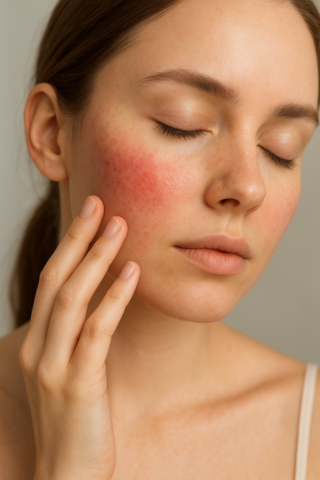
You glanced in the mirror and noticed blotchy redness on your face — this isn’t the first time. Uneven skin tone can be frustrating, particularly when it seems to emerge out of nowhere. Whether you’re dealing with light red splotches or more defined blotchy red spots, there are several possibilities for what’s causing this skin irritation, along with steps you can take to manage it.
Understanding Blotchy Redness on Face
Blotchy redness on the face can be triggered by various conditions, ranging from temporary irritation to chronic skin disorders. Common causes include rosacea, sun exposure, allergies, and eczema. Weather changes, heat, stress, and even some foods can exacerbate these issues.
Rosacea is a frequent culprit that affects many people, characterized by persistent redness and sometimes acne-like bumps. For more comprehensive information on rosacea, you might refer to sources like MedlinePlus, which offers extensive resources on this condition.
Everyday Lifestyle Triggers
Daily habits might be contributing to facial redness, too. Overuse of skincare products, such as harsh cleansers or exfoliants, can irritate the skin. Consuming spicy foods and alcohol can dilate blood vessels, exacerbating redness. Individuals with sensitive skin might particularly notice these triggers more acutely.
Environmental factors are also significant. Sun exposure without adequate protection can lead to blotchy patches as UV rays damage the skin. Likewise, cold, windy conditions can strip your skin of moisture, resulting in irritation.
Effective Solutions and Management Strategies
Tackling facial redness often involves a combination of lifestyle adjustments and skincare. Introduce gentle skincare products, moisturizers, and always apply sunscreen to shield your face from the sun’s harmful rays. Avoid known irritants and triggers, whether they are particular foods, alcohol, or specific skincare ingredients.
Some topical treatments may help, particularly those containing calming ingredients like aloe vera or chamomile. However, these methods can vary in effectiveness depending on the individual, so ideally, consult with a healthcare provider for personal advice.
Medication-Related Considerations
In more severe cases, prescription medications are available and may include creams or oral medications. Some individuals wonder if they should discontinue their over-the-counter treatments when starting prescription options. Generally, you should follow a healthcare professional’s guidance regarding combining or switching treatments, as some may interact or cause increased irritation.
Discuss potential side effects with your doctor. Depending on the medication, side effects could include dryness or irritation, which should be evaluated if they persist or worsen.
When to Seek Care
If redness consistently affects your daily life or self-esteem, consulting a healthcare provider is advisable. Dermatologists specialize in skin conditions and can offer personalized treatment plans. If redness is accompanied by pain, swelling, or gets significantly worse, it is particularly crucial to seek medical advice.
Long-Term Effects on Daily Activities
Persistent facial redness can impact more than just your appearance; it can affect your confidence and social interactions. Being mindful of this, finding effective ways to manage symptoms can greatly improve overall quality of life. It’s important to integrate self-care changes that support skin health as part of your routine.
In some cases, redness might even be a signal of underlying health issues, such as hemochromatosis. To recognize other potential symptoms, consider reading about early signs from trusted resources, like this article on hemochromatosis.
Conclusion
Addressing blotchy redness on face requires identifying triggers and applying suitable strategies to minimize irritation. By adopting the right skincare routine and lifestyle changes, many people can manage or even reduce their facial redness.
- Blotchy facial redness has multiple causes, including rosacea and sun exposure.
- Lifestyle factors like diet and skincare routines are often contributing factors.
- Consultation with a dermatologist can provide targeted solutions.
- Both over-the-counter and prescription treatments may be considered.
- Managing redness can improve confidence and social engagement.
Common Questions
What are common causes of blotchy red spots on face?
Common causes include rosacea, sun exposure, eczema, allergies, and reactions to skincare products.
When should I see a doctor about facial redness?
If redness persists, is accompanied by discomfort, or affects your quality of life, it is wise to consult a healthcare provider, particularly a dermatologist.
Can lifestyle changes really make a difference?
Yes, in many cases, adjusting your skincare routine, diet, and managing stress can significantly improve your symptoms.
What types of daily habits could be exacerbating my facial redness?
Using harsh skincare products, eating spicy foods, drinking alcohol, and excessive sun exposure without protection are common aggravators.
How do medications for facial redness work, and are there side effects?
Medications might reduce inflammation and redness but can also cause dryness or irritation. Discuss with a healthcare professional for personalized advice.
Other Articles You May Find of Interest...
- Foods That Cause Mucus: Discover What to Avoid for Better Breathing
- Causes and Solutions for Blotchy Redness on Your Face
- Exploring the Interconnectedness of Cells, Organs, Organ Systems, and Tissues in Human Health
- How to Create Your Own Saline Solution for Nebulizers?
- How Sterile Saline Solution for Nebulizer Can Support Respiratory Health
- Is Mupirocin Ointment Available Over the Counter?
- Is Singulair an Antihistamine? Understanding Its Role in Allergy Treatment