More Women's Health & Beauty Articles
A Complete Guide To Preventive Gynecological Care
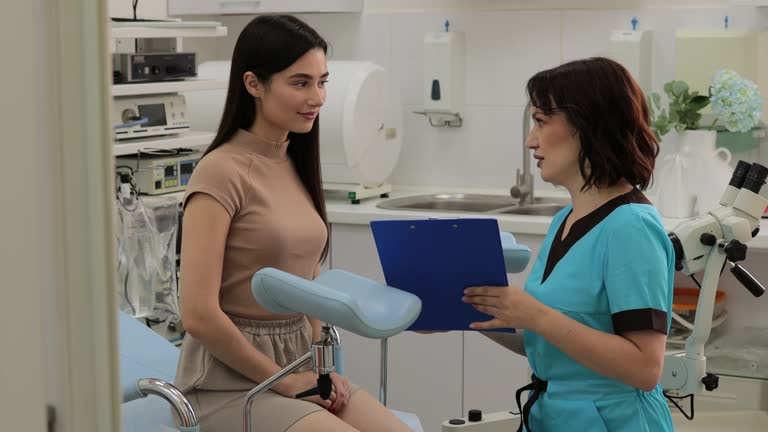
Do you want to know how regular gynecological care can help you feel more confident about your health?
Many women have questions about their bodies, their monthly cycle, fertility, pregnancy planning, and daily comfort. Preventive gynecological care makes these topics easier to talk about.
It is a simple habit that helps women stay aware of their bodies at every age. With regular checkups and open talks with a qualified doctor, women can make calm and informed health choices.
What Preventive Gynecological Care Means
Preventive gynecological care means regular women’s health visits that focus on wellness, body awareness, reproductive health, and personal comfort. It is a planned way to care for your body and understand its normal pattern.
Simple Meaning In Daily Life
In daily life, preventive care is like keeping a regular check on something valuable. Women visit a gynecologist to understand their periods, intimate hygiene, fertility, pregnancy plans, breast health, cervical health, and hormone changes. These visits give a clear picture of how the body is doing.
For women living in the UAE, visiting a Gynecology Hospital in Abu Dhabi can be part of regular women’s health planning. The visit does not need to feel formal or difficult. It can be a simple talk where you ask questions and get clear answers from a qualified doctor.
Why Regular Gynecological Visits Are Helpful
Regular gynecological visits give women a comfortable space to talk about body changes, monthly cycles, family planning, and personal health habits. Many private questions can be answered in a respectful clinic setting.
A Friendly Health Conversation
A gynecologist can explain health topics in simple words. You can ask about periods, pregnancy planning, birth control choices, intimate hygiene, and emotional changes linked with hormones.
These topics are a normal part of women’s health. A routine visit also helps your doctor understand your age, lifestyle, medical history, and plans. When your doctor knows these details, the advice becomes more personal and useful.
Important Screenings For Women
Screenings are health checks that help your doctor understand your body and suggest care that fits your age, health history, and personal needs. These checks are usually quick and simple during routine visits.
Cervical And Breast Health Checks
Cervical health is an important part of women’s wellness. A doctor may suggest a Pap smear or HPV test at the right age and time. These tests support cervical wellness and can be included as part of a regular gynecology visit.
The doctor may also talk about HPV vaccination when it is suitable. Breast health can also be discussed during the visit, and your doctor may guide you about clinical checks or imaging based on your age and health background.
Menstrual Health And Cycle Awareness
Your monthly cycle can share helpful information about your body rhythm, energy, mood, and overall wellness. Paying attention to your cycle is a simple way to understand your health better.
Tracking Your Period Pattern
Every woman’s cycle can be different. Some women have shorter cycles, some have longer cycles, and some notice changes during busy months. Tracking your period start date, flow, mood, sleep, energy, and comfort can make your gynecology visit more useful.
You can use a phone app, a calendar, or a notebook. This small habit helps you explain your pattern clearly and supports fertility planning.
Family Planning And Fertility Care
Preventive gynecological care also supports women who want to plan pregnancy now, later, or at a time that feels right for their life. It gives space to talk about choices in a calm and private way.
Planning At Your Own Pace
Family planning is a personal decision. A gynecologist can help you understand your cycle, fertile days, pre-pregnancy health, and suitable planning choices. If pregnancy is part of your plan, your doctor may suggest vitamins, health checks, food tips, and lifestyle habits. If you want to wait, your doctor can explain options that match your body and comfort.
Pregnancy Preparation And Preconception Care
Preconception care means preparing your body and health before pregnancy in a calm and organized way. It can be a helpful step for women who are planning to become mothers.
Small Steps Before Pregnancy
Before pregnancy, a gynecologist may talk about folic acid, balanced meals, sleep, movement, vaccines, and medical history. These small steps support a healthy start.
Your doctor may also ask about past health details, medicines, and family history. Preconception care also gives you time to ask simple questions about food, work routine, exercise, and daily habits.
Lifestyle Habits That Support Women’s Health
Daily habits have a strong role in gynecological wellness. Small and steady habits can support the body naturally and comfortably.
Daily Care That Feels Easy
Balanced meals, enough water, proper sleep, and regular movement can support women’s health. You do not need a hard routine. A simple walk, light stretching, yoga, or any activity you enjoy can be added to your day.
Good intimate hygiene also matters. Keep it gentle and simple. Choose breathable clothing, keep the area clean, and follow your doctor’s advice for personal care.
Care Through Different Life Stages
Women’s health needs can change from their teen years to adulthood, pregnancy years, and menopause. Regular gynecological care helps women understand these changes with comfort.
From Teen Years To Menopause
Teen girls may need guidance about periods, hygiene, body changes, and healthy habits. Adult women may focus on cycle health, fertility, pregnancy planning, and regular screenings.
During pregnancy, gynecological care can support planning and routine follow-up. Later in life, care may include hormone support, bone health, sleep, mood, and daily wellness. Every stage has its own needs, and clear guidance helps women feel confident.
Making Preventive Care A Regular Habit
Preventive gynecological care works best when it becomes part of your normal routine. It does not need to feel like a big task.
Simple Ways To Stay Consistent
You can set a yearly reminder for your women’s health visit. You can also keep your past reports in one folder, note your period dates, and write health questions as they come to mind. These small habits save time during appointments. It is also helpful to choose a clinic location and appointment time that fits your daily schedule. Regular care is a kind way to respect your body and health.
Final Thoughts On Preventive Gynecological Care
Preventive gynecological care is a simple and caring habit for every woman. It supports regular checkups, menstrual health, fertility planning, pregnancy preparation, cervical health, breast health, and wellness through different life stages.
Start with routine visits, ask your questions freely, and keep small healthy habits in your daily routine. When women take time for their health, they feel more aware, more confident, and more comfortable in daily life. Good care starts with one simple step, and that step can become a healthy habit for years.
Other Articles You May Find of Interest...
- A Complete Guide To Preventive Gynecological Care
- Where Is the Female Heart Located in the Body?
- Vigilance For Women’s Wellness Becomes Vital As We Age!
- Best Practices for Reducing Your Pelvic Pain
- What Are the Side Effects of Estroven?
- Exploring the Functions and Importance of the Posterior Cul de Sac in Women’s Health
- Early Warning Signs of Uterine Fibroids in Women