






More Medical Equipment Articles
Essential Insights on Trigger Finger Medical Devices for Better Hand Function
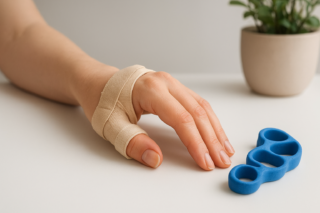
Anna used to enjoy weekend gardening until her thumb suddenly started catching and locking when she tried to grip her tools. This frustrating condition, often referred to as “trigger finger,” can interfere with daily activities. Luckily, trigger finger medical devices offer potential solutions to improve hand function and relieve symptoms.
Exploring Trigger Finger Medical Devices
Trigger finger occurs when the tendons in your fingers or thumb become inflamed, causing a snapping or locking sensation. Personal experiences with this condition vary, but medical devices designed for trigger finger, such as splints and braces, can provide relief by supporting and immobilizing the affected finger, allowing it to heal.
Options include adjustable finger splints that keep the finger in a straight position to reduce inflammation. It’s essential to find a device that feels comfortable and suits your daily needs. Flexibility, ease of use, and durability are critical factors to consider when choosing a device.
When to Seek Care
If home remedies and over-the-counter solutions do not alleviate your symptoms, it may be time to consult a healthcare professional. Hand specialists, such as orthopedic surgeons or rheumatologists, are experienced in diagnosing and treating trigger finger. Seek care if you experience severe pain, loss of finger function, or prolonged symptoms lasting more than a few weeks.
How These Devices Fit Into Daily Life
Incorporating trigger finger devices into your routine can feel daunting, but they are designed to seamlessly integrate into everyday activities. Lightweight and adjustable, splints can be worn throughout the day without significant interference. This ensures that you can continue typing, cooking, or participating in your favorite activities while minimizing discomfort.
Device Considerations and Discussions with Your Doctor
Before choosing a device, consider discussing your options with a healthcare provider. They can help determine the most suitable solution based on your specific symptoms. Ask about the appropriate duration for wearing the device and whether adjustments are needed if your symptoms change.
Some individuals may also be prescribed medication or therapy alongside the use of a medical device. Understanding potential side effects or interactions with treatments is essential. If you are starting a new device or medication and notice any adverse reactions, report them to your healthcare provider promptly.
Additionally, ask your doctor about the potential for recurrence. While devices can help manage symptoms, underlying causes may also need addressing to prevent future occurrences.
Other Therapies and Lifestyle Choices
In conjunction with using a trigger finger device, lifestyle changes may enhance your healing process. For instance, maintaining a balanced diet and regular exercise can support overall joint health. You can learn more about this through our article on how lifestyle choices impact our overall health.
In occupational therapy, you can learn exercises specifically designed to improve hand function and flexibility. Targeted therapy may support device use and further enhance healing.
Common Questions
What are the first signs of trigger finger?
Initial symptoms include a painful clicking or popping sensation in the affected finger, often accompanied by stiffness. If untreated, the condition may progress to the finger catching or locking in a bent position.
Are medical devices effective in treating trigger finger?
For many individuals, medical devices like finger splints provide essential support and relief from trigger finger symptoms. However, their effectiveness often depends on consistent use and the specific nature of the individual’s condition.
Should I consult a physical therapist for trigger finger?
Physical or occupational therapists can be instrumental in providing exercises and techniques to improve hand flexibility and strength. If a medical device alone does not resolve symptoms, therapy might be recommended.
Can lifestyle affect trigger finger?
Yes, maintaining joint health through diet and exercise can positively influence conditions like trigger finger. Activities that help strengthen your grip and hand movements may prevent further issues.
How do I choose the right trigger finger medical device?
Consult your healthcare provider for personalized recommendations, but generally, look for devices that offer comfortable support, adjustability, and durability to suit your daily needs.
To explore more health topics, visit the MedlinePlus Health Topics page.
- Trigger finger can disrupt everyday activities like typing and gardening.
- Medical devices like splints can help support and manage symptoms.
- Seek medical advice if symptoms persist or worsen.
- A combination of devices and lifestyle adjustments may enhance recovery.
- Consult healthcare professionals for tailored treatment plans.
With the right trigger finger medical devices, you can find relief from symptoms and gently regain your hand function for better quality of life.
Other Articles You May Find of Interest...
- Essential Insights on Trigger Finger Medical Devices for Better Hand Function
- What to Know Before Buying Essential Home Care Equipment
- How to Choose the Right Oxygen Therapy Supplies for Home Use
- How to Choose the Right Mobility Scooter for Comfort and Stability
- Essential Guide to Using a 10 ml Syringe Effectively
- Health Monitoring Devices: Advancing Personal and Preventive Care
- Titanium Applications in Medicine: Redefining Strength and Durability of Medical Devices



