






More Podiatry Foot Care Articles
Exploring the Anatomy of the Foot Tendon Diagram for Better Foot Health
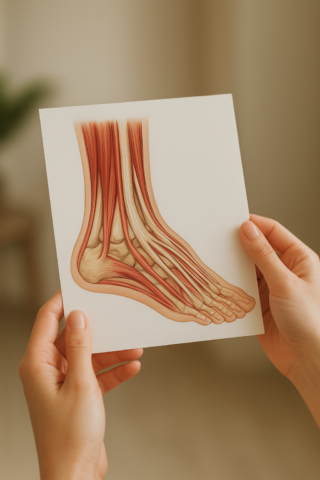
When your daily walk is interrupted by a sharp pain in your foot, understanding the intricate network of tendons in your foot can be a helpful first step. The foot tendon diagram breaks down these vital components, offering clarity on how they contribute to overall foot health. Recognizing how each tendon functions can arm you with the knowledge to address common foot issues and maintain mobility.
Discovering the Foot Tendon Diagram
A foot tendon diagram provides a detailed look at the tendons in our feet, which play a crucial role in movement. These tough, fibrous bands connect muscles to bones, enabling your foot’s flexibility and strength. With tendons like the Achilles and the posterior tibial, the foot tendon diagram acts as a roadmap for understanding how injuries might occur and how to prevent them.
Role of Key Foot Tendons
The Achilles tendon, the most famous of them all, is a vital part of our anatomy. It connects the heel bone to the calf muscles, facilitating walking, running, and jumping. Then we have the posterior tibial tendon, which aids in supporting the arch of the foot, and the flexor tendons that help in curling the toes. An understanding of these tendons through a foot tendon diagram can illuminate the complex functions they perform.
Keeping Your Feet Healthy
Proper foot care is essential to prevent tendon strain. This includes wearing supportive footwear and avoiding excessive stress from activities like running or standing for long periods. When studying the foot tendon diagram, one can visualize how simple changes in lifestyle can significantly reduce the risk of injury.
When to Seek Care
If you experience persistent pain, swelling, or difficulty in moving your foot, it’s time to consult with a specialist. Podiatrists or orthopedic doctors are trained to assess foot health and can provide guidance on managing or rehabilitating an injured tendon. While minor discomfort can often be addressed through rest and care, more significant symptoms warrant professional attention.
Impact on Daily Life
Tendon issues can introduce hurdles in your daily routine, making even simple tasks challenging. Engaging in low-impact activities such as swimming may help maintain fitness without exacerbating tendon problems. For those interested in how broader lifestyle choices impact health, it may be beneficial to learn how lifestyle choices impact overall health.
Making Informed Decisions About Foot Health
Foot health often involves particular attention to footwear, exercise, and any pre-existing conditions. With time and care, issues resulting from tendon inflammation, such as tendinitis, can often be managed effectively. Stressing the importance of proper technique during exercise and ensuring the appropriate footwear, these preventative strategies make a significant difference.
Understanding Medication and Treatment
In cases where over-the-counter remedies and lifestyle changes are insufficient, your healthcare provider may discuss medication options. It’s common for one treatment to complement or replace another based on individual needs. Side effects, if any, can vary, and hence it’s crucial to discuss these with your doctor to understand how they might affect your personal routine.
Common Questions
What causes foot tendon problems?
Foot tendon issues often arise from overuse, improper footwear, or sudden injuries. Activities that place excessive strain on the foot can lead to inflammation or tears.
What type of doctor treats foot tendon issues?
Podiatrists and orthopedic specialists are well-versed in diagnosing and treating foot tendon conditions. They can offer tailored treatment plans based on specific diagnoses.
How can I prevent tendon injuries?
Prevention focuses on maintaining flexibility and strength, choosing the right footwear, and gradually increasing activity levels to avoid sudden stress on the tendons.
When should I see a doctor for foot pain?
If pain persists beyond a few days or if there’s noticeable swelling or immobility, seeking medical advice is advisable to prevent further complications.
Can lifestyle changes improve foot tendon health?
Yes, adopting healthier lifestyle habits, such as balanced nutrition and appropriate exercise, can contribute significantly to the strength and health of your foot tendons. More information can be accessed from reliable resources like MedlinePlus.
- Understanding your foot tendons can help prevent injuries.
- Proper footwear and gradual activity increase are crucial.
- Persistent pain should be evaluated by a specialist.
- Daily activities may need modification to manage tendon health.
Armed with a better understanding of the foot tendon diagram, you can approach foot health with more confidence and control over your mobility and activity choices.
Other Articles You May Find of Interest...
- Tibialis Anterior Tendon Pain: Causes, Treatment, and Recovery
- What Causes Pain on the Lateral Side of the Foot?
- 8 Ways to Remove Dead Skin From Feet: A Chronic Cracked-Heel Rescue Plan
- Lowering the Risk Of Stress Fractures
- Sharp, Stabbing Big Toe Pain at Night: Common Causes
- Topical, Oral or Laser: Comparing Nail Fungus Treatments in 2026
- A Twisted Ankle or Something More? When an Injury Needs a Closer Look





