More Complementary & Integrative Healthcare Articles
9 Easy Yoga Poses for Depression and Anxiety
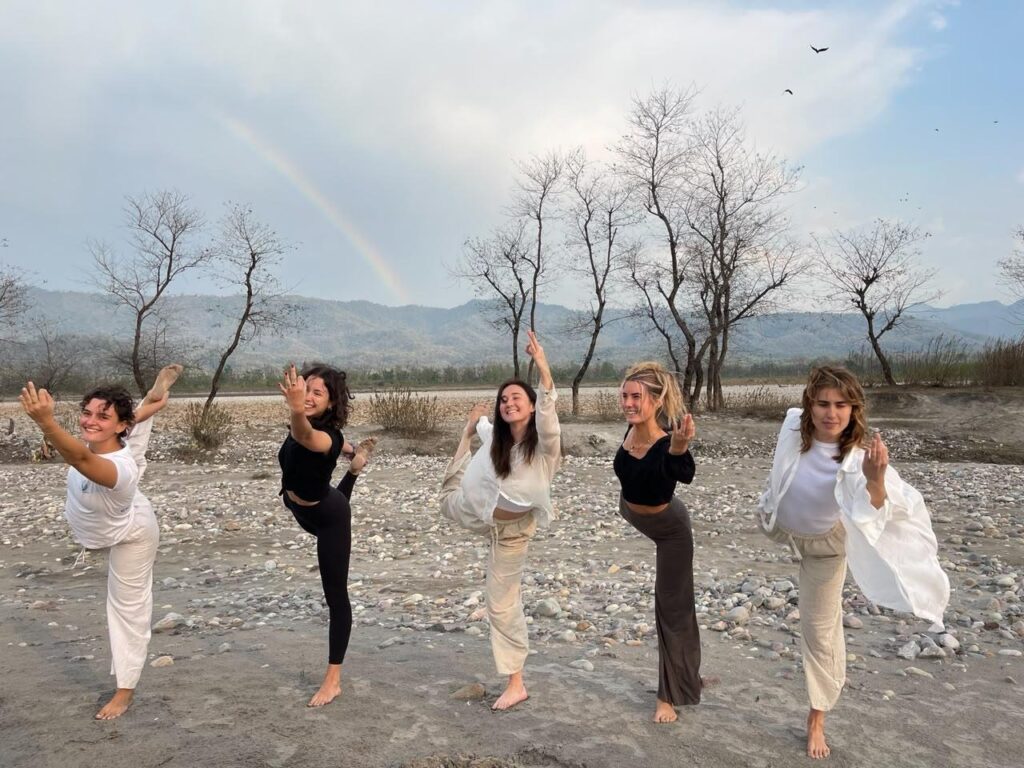
When your mind feels cluttered or your thoughts race uncontrollably, your body can become your strongest ally. Yoga offers a unique blend of gentle movements, deep breathing, and focused mindfulness—three powerful tools that can ground you when stress overwhelms you. You don’t need to be flexible, fit, or experienced to start. All it takes is a few minutes and a commitment to prioritize your well-being. Embrace this chance to show up for yourself and discover the calming benefits of yoga.
This tutorial will take you through 9 easy beginner’s poses which can help to bring calm and ease, reduce tension, and raise low energy. Each one contains brief instructions and a brief note as to why the exercise can be beneficial. At the end, you will have a quick, relaxing series of steps that you can go back to anytime you need.
A quick note before we begin: Yoga is a great tool to help support emotional well being but not a substitute for professional care. When dealing with depression or anxiety, consult with a competent health care provider. Consider that these poses are soft support and support, while you should also receive your own.
Why Yoga Helps Calm the Mind
Yoga encourages you to pause the day, notice your breath and body. The change can break the grip of thoughts and soothe the physical tension that can accompany anxiety (clenched jaw, shallow breathing, etc.).
When you move slowly, thoughtfully, it also promotes a sense of safety and stability. It is important to give your busy mind one task to keep it calm: either press your feet into the ground or breath in and out. A routine can be a solid support on bad days.
How to Get the Most From These Poses
- Look for a quiet place, where you are not rushed.
- Take slow steps and inhale and exhale through your nose if possible.
- Hold each pose for 3 – 5 slow breaths unless otherwise indicated.
- Avoid any activity that hurts and rest as you need to.
Safety note: Pay attention to your body. Yoga should not be forced. If a pose hurts, or makes you anxious – relax out of it and move to a more relaxed pose. Do not win anything for pushing through pain.
1) Child’s Pose (Balasana)
How to do it: The trick is to kneel down on the ground and to push the big toes together. Sitting on your heels, bend forward, place your forehead on the ground. Extend arms out in front of or at the side of body.
Why it helps: Child’s pose is your natural ‘rest’ position, and is signaling safety, to the nervous system. The fold is gentle and the forehead is grounded to bring a sense of being held and calm anxiousness.
2) Mountain Pose (Tadasana)
How to do it: Your feet are hip width apart with your weight evenly distributed. Step firmly with feet flat on floor, extend back and lengthen spine, and keep arms at side. Slowly breathe in and out and relax your entire body.
Why it helps: This is simple but creates awareness and grounding. When you’re feeling overwhelmed with swirling thoughts and thoughts of the past, directing your attention to your breath and your stable presence can help bring you to the present moment.
3) Standing Forward Fold (Uttanasana)
How to do it: Stand up, hinge the hips and fold forward with the head and arms hanging down as if they are heavy. Maintain a slight curve in your knees. If it feels right, sway from side to side.
Why it helps: When a person drops his head below their heart, it calms him on deep levels. This pose helps to relieve tension in the neck, shoulders and back which are where stress is often stored.
4) Cat-Cow Pose (Marjaryasana-Bitilasana)
How to do it: Come to your hands and knees. As you inhale, drop your belly and lift your gaze (Cow). As you exhale, round your spine and tuck your chin (Cat). Flow between the two with your breath.
Why it helps: This enables your mind to have a gentle rhythm to follow, as you link the movement to the breath. It is a soothing flow that alleviates any tension in the spine, and is a popular yoga exercise for those starting their practice in yoga in india and globally, as it helps to calm an agitated mind.
5) Bridge Pose (Setu Bandhasana)
How to do it:Get into a back position on your back, lying on the floor with your knees bent and feet hips width apart. Point feet and raise hips toward ceiling. Keep arms next to your fists. Slowly let go down.
Why it helps: The gentle backbend opens the chest and front body where we tend to sink when we feel down. Chest lifting and expanding can create an weave breath of lightness and openness.
6) Legs-Up-the-Wall Pose (Viparita Karani)
How to do it: Get someone to position you near a wall and then lie back and swing your legs up so that they are against the wall. Allow arms to fall slack, close eyes. Hold for 2-5 minutes.
Why it helps: It is a relaxing pose that allows for relaxation to flow naturally. When you feel exhausted or overwhelmed it is particularly useful for providing a respite for your nervous system.
7) Seated Forward Bend (Paschimottanasana)
How to do it: With your legs straight, sit in front of you. Take a breath in as you stretch your spine long, and as you breathe out fold forward and reach towards your feet. Maintain soft knees, do not stretch it out.
Why it helps:The inward aspect is soothing and introspective, many find it soothing to fold inward. Slowly extends the back of the body and helps to calm an overactive mind.
8) Reclining Bound Angle Pose (Supta Baddha Konasana)
How to do it: Lie face down with soles of feet together, and open knees. Use pillows to support knees if straining. Place hands on belly or on sides.
Why it helps: Poses the body open and supported to encourage the body to relax itself. It opens the hips in a gentle manner where we tend to be clogged up, and is an invitation to slow, relaxed breaths.
9) Corpse Pose (Savasana)
How to do it: Lie with your legs loose and arms by your body, palms facing up. Close your eyes and relax your entire body. Remain for 5 minutes or longer.
Why it helps: Savasana is the ultimate practice in letting go. It gives you peace of mind and body.It helps you really relax and calm down when you are feeling anxious and/or on edge. Many teachers state that it’s the most crucial one of all.
Building a Simple Routine
Not all 9 poses need to be done at each practice. If the day is busy, attempt to just do these three: Child’s Pose, Cat-Cow and Legs-Up-the-Wall. If it is not too windy, go through the sequence and spend a long time in Savasana at the end!
It’s quality over quantity. Just a few conscious moments a day can go a long way towards elevating your mood. For some, it might be more helpful to take the cues of experts like the best yoga teacher training in india that offer profound guidance so that you can create a yoga practice that suits your needs best.
A Gentle Closing Thought
Sometimes, it’s just getting on your mat that is a success. Be patient and kind with yourself as you practice. These poses are not about getting in shape, they are about taking a break for your mind and body.
Practice in small doses, breathe slowly and come back to the following poses when you need to center for a little time. If practiced with ease and consistency, you can find a yoga practice that offers a consistent source of comfort, one breath at a time.
Other Articles You May Find of Interest...
- Understanding Pressure and Safety in Hyperbaric Therapy
- How to Support Your Immune System Naturally in Everyday Life
- Chinese Medicine and Western Medicine: Different Questions
- Cellular Healing Solutions
- Acupuncture and Cupping For Cancer Side Effects
- Hot-Cold Contrast Therapy at Home: A Beginner’s Guide
- Natural Tennis Elbow Remedies That Hold Up