More Gastroenterology Articles
The Hidden Dangers of Imodium: Why Doctors Don’t Recommend It
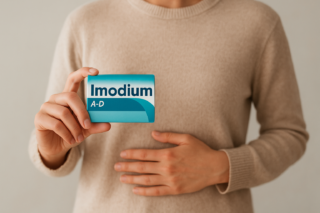
Have you ever experienced an upset stomach while traveling, only to remember there’s an over-the-counter option that promises quick relief? Imodium is often a go-to for many dealing with diarrhea. However, you might wonder, “Why do doctors not recommend Imodium as quickly as other remedies?” It’s a valid question and worth exploring to understand the potential risks and benefits involved.
Why Do Doctors Not Recommend Imodium?
Doctors may hesitate to recommend Imodium due to its mode of action and potential side effects. Imodium works by slowing down gut movement, which can lead to fewer bowel movements. While this may sound ideal, it can sometimes mask symptoms of more serious conditions such as bacterial infection. By halting natural processes, Imodium can also contribute to dehydration, particularly if one does not replenish lost fluids and electrolytes.
The active ingredient in Imodium is loperamide, and although it’s effective for short-term relief, it’s not a cure-all. Using it can lead to complications such as constipation, nausea, and in rare instances, more severe heart-related side effects.
When to Seek Care
If you experience persistent diarrhea, it’s essential to know when to consult a healthcare provider. Diarrhea lasting more than 48 hours, accompanied by symptoms like fever, severe abdominal pain, or blood in stools, should be evaluated. In such cases, a gastroenterologist is often the best specialist to determine the cause and appropriate treatment. For those interested in learning more about symptoms that require medical attention, you may find insights in our article on recognizing the signs of gastrointestinal issues.
Real-World Considerations When Using Imodium
In everyday contexts, knowing how Imodium interacts with other medications or conditions can be crucial. For example, individuals already on opioid medications should be cautious, as Imodium can enhance drowsiness and other side effects. Also, if you’re using Imodium for travel-related diarrhea, make sure to continue hydrating, since dehydration can be a real risk.
Questions to Ask Your Doctor About Imodium
It’s always a good idea to discuss with your healthcare provider before adding or changing any medication, even over-the-counter ones like Imodium. Here are some questions you might consider:
- Is Imodium safe to use with my current medications?
- How will I know if Imodium is causing adverse effects?
- Should I be concerned about Imodium interacting with on-going health conditions?
For further detailed information on medications like loperamide, you can visit MedlinePlus’ guide to drug information. It’s a reputable source that offers comprehensive details on the safety and efficacy of medications.
Common Questions
When should I see a doctor for diarrhea?
If diarrhea persists beyond two days, or you experience severe symptoms like high fever or abdominal pain, it’s time to see a doctor. Chronic diarrhea may be a sign of underlying health issues that require medical attention.
What kind of doctor should I consult for frequent gastrointestinal issues?
A gastroenterologist specializes in digestive system disorders. If you need an expert evaluation due to chronic gastrointestinal symptoms, they are well-equipped to provide guidance and treatment.
How can I prevent dehydration while using Imodium?
Ensure you stay hydrated by drinking water, oral rehydration solutions, or electrolyte-rich beverages. Avoid caffeinated drinks, which can exacerbate dehydration.
What are common causes of diarrhea that should be considered?
Dietary changes, stress, and infections are common culprits. Identifying the cause can help in managing symptoms effectively and choosing the right approach, be it dietary adjustments or medical advice.
Are there alternatives to Imodium for treating diarrhea?
Yes, dietary adjustments such as the BRAT diet (bananas, rice, applesauce, toast) can help. Also, probiotics and natural hydration methods might be explored as alternative options. It’s best to consult your doctor for personalized advice.
In conclusion, while Imodium offers quick relief, understanding the reasons why doctors do not recommend it as a first-line treatment can help guide better choices and outcomes. Discussing your symptoms and concerns with a healthcare provider ensures you’re using the most effective and safe approach tailored to your needs.
- Imodium can cause dehydration, so adequate fluid intake is crucial.
- Discuss medication interactions and side effects with your doctor.
- Persistent or severe symptoms require medical evaluation.
- Consult a gastroenterologist for chronic digestive issues.
- Alternatives like dietary changes can also aid in symptom relief.
Other Articles You May Find of Interest...
- Why You Get Stomach Bloating and Gas After Eating Meat
- Why Does Chick-fil-A Make My Stomach Hurt?
- Dr. Omar Marar on the Evolution of Modern Colorectal Surgery
- Pain Where Your Appendix Was Removed Years Ago: Possible Causes
- Why Multi-Strain Probiotics May Offer Broader Digestive Support
- What a Healthy Colon Looks Like During Colonoscopy
- A Better Digestive Rhythm: Everyday Habits for Preventing Occasional Constipation