






More Beauty Skin Care & Gorgeous Smiles Articles
How Long Does Bactrim Take to Clear Acne?
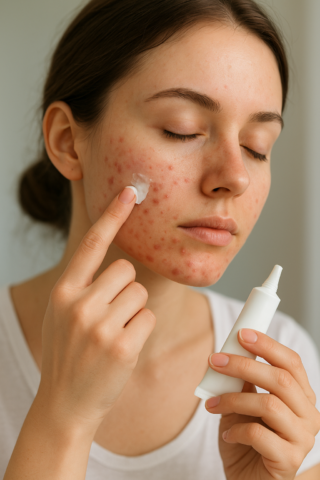
If you’ve ever struggled with acne, you might have heard about using antibiotics like Bactrim as a treatment option. Many people wonder about using Bactrim for acne how long to work and whether it will help clear up their skin quickly. While antibiotics can be part of an acne treatment plan, it’s important to understand how they work and what to expect during the process.
When Bactrim for Acne How Long to Work?
Bactrim is an antibiotic commonly prescribed for treating acne that hasn’t responded to other treatments. It belongs to a class of medications that target bacteria, specifically reducing the acne-causing bacteria on the skin. However, visible results take time, and how long Bactrim takes to work can vary from person to person. Some individuals may notice improvements in their skin within a few weeks, while others might take several months to see significant changes.
The Role of Bactrim in Acne Treatment
Bactrim is often used in combination with other acne treatments, such as topical creams or retinoids, to increase the effectiveness of the treatment regimen. It’s essential to continue using other acne treatments as directed by a healthcare provider, as antibiotics alone may not fully address the condition. By attacking the bacteria from different angles, these combined approaches can help clear up acne more effectively.
What to Expect When Taking Bactrim
When starting Bactrim, it’s common to have questions about what to expect. The initial weeks may not show dramatic results, and patience is key. Consistent use as prescribed is crucial, as missing doses can delay improvement. Some people may experience initial breakouts or irritation as their skin adjusts to the medication, but this usually subsides over time.
Potential Side Effects of Bactrim
Like any medication, Bactrim can cause side effects. Common ones include nausea, sensitivity to sunlight, or an allergic reaction, although these are not experienced by everyone. Ensure you follow your doctor’s instructions closely and report any unusual symptoms promptly. Staying informed about potential side effects and how they might affect your daily life can help manage expectations.
When to Seek Care
If you don’t see any improvement after several weeks of using Bactrim for acne, or if you experience severe side effects, it’s time to seek further medical advice. A dermatologist can offer expert guidance on managing acne and may suggest alternative treatments if necessary. Persistent or worsening symptoms warrant professional evaluation, as they might indicate a need for a different approach.
Practical Considerations for Using Bactrim
Before starting Bactrim, discuss with your healthcare provider whether you should stop any current acne medications. Some treatments can interact with Bactrim, potentially enhancing or diminishing their effectiveness. Understanding these interactions helps ensure that your treatment plan is as effective and safe as possible.
It’s also helpful to ask your doctor what to do if you miss a dose and how to handle any side effects. Having a clear plan of action provides peace of mind and facilitates a smoother treatment journey.
For more on maintaining a balanced diet to support skin health, you can read about the benefits of a high-protein diet and how it may play a role in overall wellness.
Understanding Acne and Treatment Options
It’s essential to recognize that acne is a complex condition influenced by hormones, genetics, and lifestyle. Antibiotics like Bactrim are just one part of a comprehensive treatment plan, and individual results vary. To learn more about acne and its treatments, you can visit MedlinePlus, which offers extensive resources on managing this condition.
Common Questions
What type of provider should I consult for acne treatment?
Seeing a dermatologist is beneficial for managing acne effectively. They specialize in skin conditions and can tailor a treatment plan to your needs.
When should I stop self-managing and see a doctor?
If acne significantly impacts your quality of life or doesn’t improve with over-the-counter treatments, it’s wise to consult a healthcare provider. New or worsening symptoms should also prompt a visit to the doctor.
How can lifestyle changes support acne treatment?
Maintaining a healthy diet, managing stress, and following a good skincare routine can complement your treatment plan and support skin health.
Are there any long-term side effects of using antibiotics for acne?
Long-term use of antibiotics should be monitored by a healthcare provider to manage potential side effects and resistance. Regular follow-ups help ensure the benefits outweigh the risks.
What should I do if acne worsens after starting Bactrim?
If your acne worsens, contact your dermatologist to adjust your treatment plan. They may recommend alternative therapies or additional interventions.
- Bactrim can be an effective part of acne treatment for some people.
- Results vary; improvement may take weeks to months.
- Consult a dermatologist if you experience severe side effects or no improvement.
- Combining antibiotics with other treatments may enhance effectiveness.
- Discuss medication interactions and side effects with your doctor.
In conclusion, using bactrim for acne how long to work is a common question with varying answers based on individual response and adherence to treatment regimens. Always seek personalized advice from your healthcare provider for the best outcomes.
Other Articles You May Find of Interest...
- How Long Does Bactrim Take to Clear Acne?
- Narrowband UVB Therapy: Benefits, Risks, and Best Practices for Patients
- Is It Safe to Use Betamethasone Dipropionate on Your Face?
- How Telemedicine-Based Good Faith Exams Support Patient Safety in Medical Aesthetics
- Can Fat Grafting Help Smooth Breast Scars and Contour Irregularities?
- Discover the Benefits and Uses of Pimecrolimus Cream
- Why Do Scars Form? Understanding the Healing Process




