More Beauty Skin Care & Gorgeous Smiles Articles
Why Do Scars Form? Understanding the Healing Process
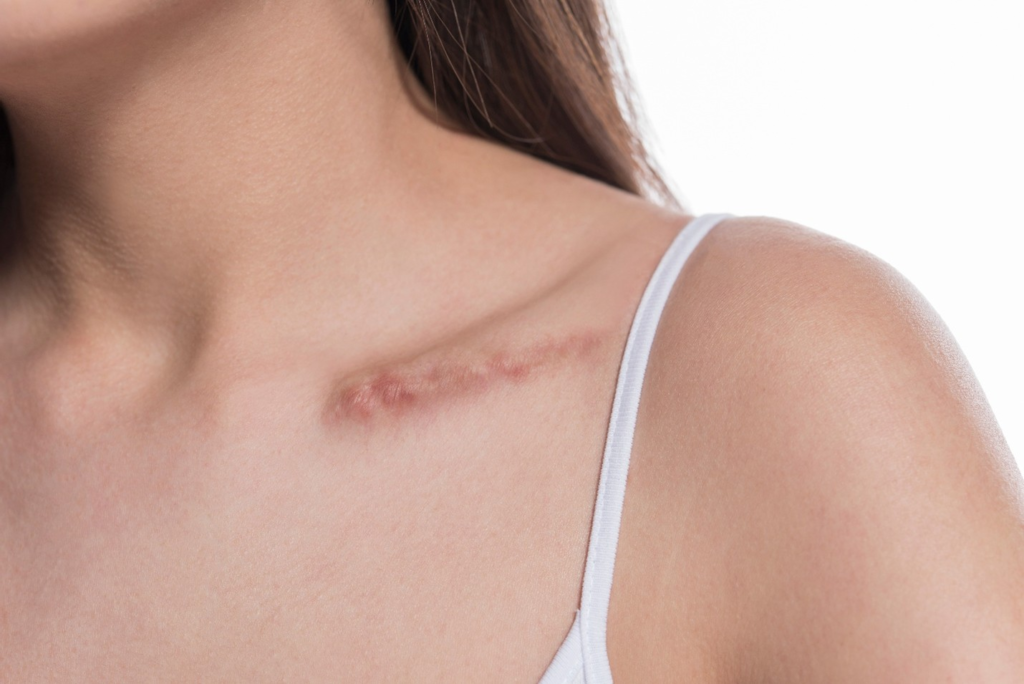
Scars are a natural part of the body’s healing process. Whenever the skin experiences an injury—whether from a cut, burn, surgery, acne, or other forms of trauma—the body immediately begins working to repair the damaged tissue. While this repair mechanism is essential for protecting the body and restoring the skin’s barrier function, it often results in the formation of scar tissue. For many people, scars are a cosmetic concern, while others may experience physical discomfort or limitations depending on the scar’s size and location.
Understanding why scars form can help individuals make informed decisions about wound care and treatment options. Today, there is a growing interest in products and procedures designed to improve scar appearance, including scar removal creams, silicone-based treatments, and professional scar revision methods. However, to appreciate how these treatments work, it is important to first understand the healing process that leads to scar formation.
What Is a Scar?
A scar is a visible mark that remains after a wound has healed. It forms when the body produces new connective tissue to repair damage to the skin. Unlike normal skin, scar tissue has a different structure and composition. It is primarily made up of collagen fibers that are arranged differently than those found in healthy skin.
Because of these structural differences, scars may appear:
- Raised or depressed
- Lighter or darker than the surrounding skin
- Smooth, thick, or uneven
- Less flexible than normal skin
The appearance of a scar depends on several factors, including the type of injury, the depth of the wound, genetics, age, skin type, and the body’s healing response.
The Body’s Natural Healing Process
Scar formation is closely linked to the body’s wound-healing process. Healing occurs in several stages, each playing an important role in repairing damaged tissue.
1. Hemostasis: Stopping the Bleeding
The first stage begins immediately after an injury occurs. Blood vessels constrict to reduce blood loss, and platelets gather at the wound site to form a clot.
This clot serves several important purposes:
- Stops excessive bleeding
- Protects the wound from external contaminants
- Creates a temporary framework for healing
Without this initial response, the body would be unable to begin repairing the damaged tissue effectively.
2. Inflammation: Protecting the Wound
After bleeding is controlled, the inflammatory phase begins. During this stage, the body’s immune system works to clean the wound and prevent infection.
White blood cells move into the injured area to:
- Remove bacteria and debris
- Destroy damaged tissue
- Release signals that stimulate healing
It is normal to experience redness, swelling, warmth, and mild discomfort during this phase. Although inflammation is often viewed negatively, it is a crucial part of the healing process.
3. Proliferation: Building New Tissue
The proliferation phase focuses on rebuilding the damaged area. This stage can last several weeks depending on the severity of the injury.
During this phase:
- New blood vessels develop
- Fibroblasts produce collagen
- Fresh tissue begins to fill the wound
- The skin starts closing over the injury
Collagen production is particularly important because collagen acts as the structural framework for new tissue. However, the collagen formed during healing is often organized differently from normal skin, which contributes to scar formation.
4. Remodeling: Scar Maturation
The final stage of healing is known as remodeling or maturation. This process can continue for months or even years after the initial injury.
During remodeling:
- Excess collagen is broken down
- Collagen fibers become stronger
- The scar gradually flattens and softens
- Blood vessels decrease in number
As a result, many scars become less noticeable over time. However, some acne scars remain prominent due to excessive collagen production or other healing abnormalities.
Why Do Some Scars Become More Noticeable?
Not all scars heal in the same way. Several factors influence scar development and appearance.
Wound Depth
Deeper wounds generally produce more noticeable scars because more tissue must be repaired. Injuries extending into the deeper layers of the skin often trigger increased collagen production.
Location of the Injury
Certain areas of the body are more prone to visible scarring. Regions that experience frequent movement or tension, such as the shoulders, chest, knees, and joints, may develop thicker scars.
Genetics
Genetics play a significant role in how the body heals. Some individuals naturally produce more collagen during healing, making them more susceptible to raised scars.
Age
Younger individuals often heal more quickly, but they may also develop thicker scars due to a more active healing response. Older adults may heal more slowly but sometimes experience less aggressive scar formation.
Infection and Inflammation
Complications during healing can increase scar visibility. Infections, prolonged inflammation, and repeated injury to the wound may interfere with normal tissue repair.
Different Types of Scars
Scars can vary significantly in appearance and behavior.
Flat Scars
Most scars eventually become flat and fade over time. While they may remain visible, they usually do not cause functional problems.
Hypertrophic Scars
Hypertrophic scars develop when the body produces excess collagen during healing. These scars are raised and thick but remain within the boundaries of the original wound.
Keloid Scars
Keloids are a more aggressive form of scarring. Unlike hypertrophic scars, keloids grow beyond the original wound site and may continue expanding over time.
Keloids often appear:
- Thick and raised
- Firm to the touch
- Pink, red, or darker than surrounding skin
- Itchy or uncomfortable
Atrophic Scars
Atrophic scars form when there is a loss of tissue during healing. Acne scars and chickenpox scars are common examples.
These scars often appear as depressions or indentations in the skin.
Can Scar Formation Be Prevented?
Complete prevention is not always possible, but proper wound care can reduce the likelihood of severe scarring.
Helpful practices include:
- Keeping wounds clean
- Protecting injuries from infection
- Avoiding unnecessary picking or scratching
- Following medical instructions after surgery
- Using sun protection during healing
Early intervention often contributes to better healing outcomes and may help scars become less noticeable over time.
Treatments That May Improve Scar Appearance
Although scars cannot always be eliminated completely, many treatment options can improve their appearance.
Common approaches include:
- Silicone gels and sheets
- Pressure therapy
- Laser treatments
- Microneedling
- Steroid injections
- Scar revision procedures
Treatment recommendations depend on the scar type, severity, and individual patient needs.
For more severe raised scars, especially those that interfere with function or continue growing, healthcare providers may discuss advanced procedures such as keloid surgical removal as part of a broader treatment plan.
Conclusion
Scars form because the body prioritizes healing and protection after an injury. Through a complex series of biological processes, damaged tissue is replaced with collagen-rich scar tissue that helps restore the skin’s integrity. While this repair mechanism is essential, it can sometimes lead to visible marks that differ from normal skin.
Factors such as wound depth, genetics, inflammation, and location all influence how scars develop. By understanding the healing process, individuals can take proactive steps to support healthy recovery and explore appropriate treatment options when necessary. Whether dealing with minor scars or more complex forms of scarring, knowledge of how the body heals provides a valuable foundation for making informed decisions about skin care and long-term scar management.
Other Articles You May Find of Interest...
- Understanding PDRN Therapy: The Science Behind Skin Barrier Repair and Tissue Regeneration
- Who Is a Suitable Candidate for Breast Augmentation?
- Peptides vs Retinoids for Sensitive Skin: Why Matrixyl 3000 and CoQ10 Are Changing the Conversation
- Whitehead or Pustule? How to Tell These Acne Bumps Apart
- What Patients Should Know About Skin Removal Surgery
- Breast Augmentation vs. Breast Lift: Understanding the Difference
- 5 Things New Moms Should Know About Tummy Tuck Timing